 EN

What Should Buyers Know Before Ordering Living Room Rugs?
2026/11/02
Struggling to choose the right living room rugs? Avoid costly mistakes with expert insights on size, material, durability, style & care. Get your perfect rug.
Selecting the right playpen mat is one of the most important decisions you'll make when setting up a safe play environment for your baby. A quality playpen mat provides cushioning, comfort, and protection from hard floors while meeting essential safety standards. Whether you're creating a nursery play area or a portable space for travel, understanding what makes a playpen mat effective is crucial for your child's well-being and your peace of mind.
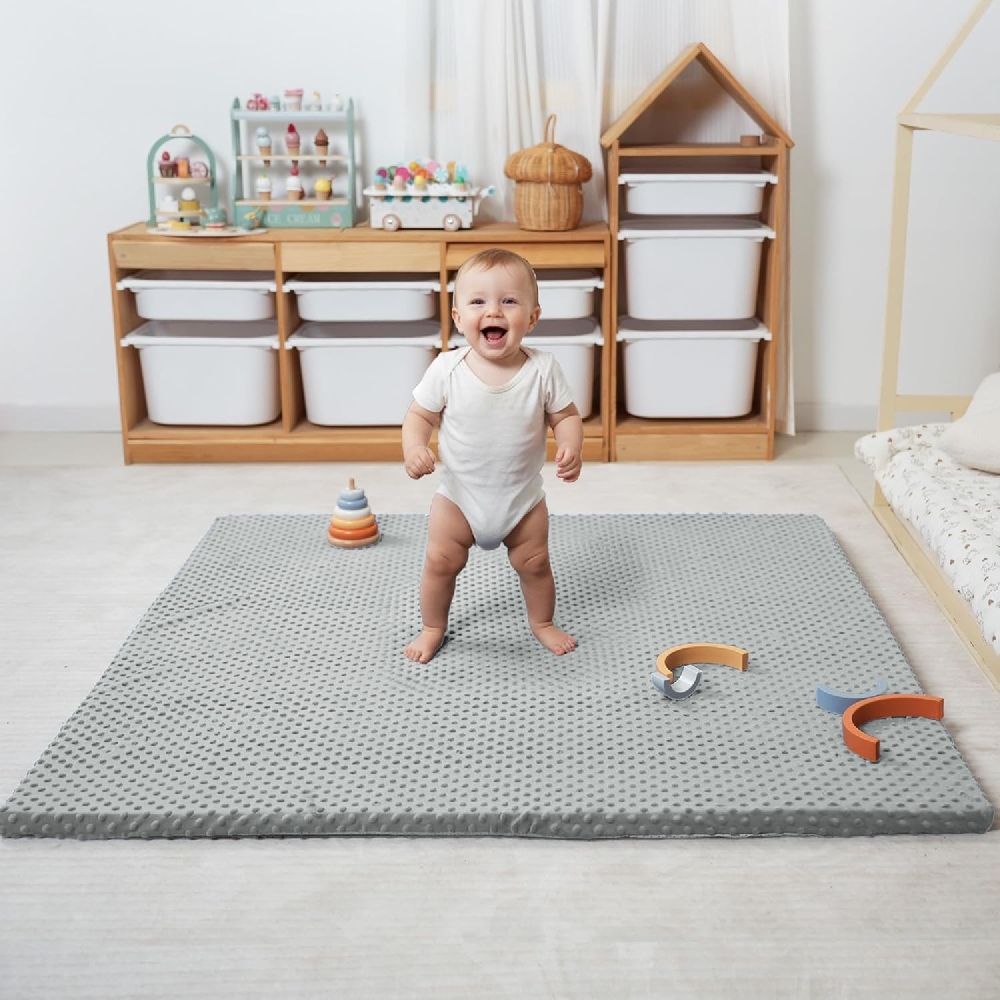
A properly chosen playpen mat does more than just add comfort to your baby's play space. It acts as a protective barrier between your child and hard surfaces, reduces impact during falls, and creates a defined boundary that helps babies understand their safe play zone. The right mat also contributes to temperature regulation, hygiene, and easy maintenance in a household with young children. When evaluating options, you'll encounter various materials, thicknesses, and safety certifications that directly influence how well a mat protects your baby during active play.
The material composition of your playpen mat determines its durability, safety profile, and tactile experience for your baby. High-quality playmats are typically crafted from non-toxic foam, natural rubber, or multi-layer composite materials that provide adequate cushioning without off-gassing harmful chemicals. A reliable playpen mat should feature a soft, skin-safe surface layer that's gentle against your baby's delicate skin while maintaining resistance to wear and tear from daily use.
When selecting a playpen mat, look for certifications from recognized safety organizations that verify material safety and structural integrity. The foam density within a quality playpen mat typically ranges from medium to high density, offering the right balance between comfort and support. Avoid excessively thin mats that provide minimal impact absorption, as these defeat the primary purpose of protecting your baby during play and potential falls.
The cover of your playpen mat plays a significant role in hygiene, maintenance, and overall appeal. A removable and washable cover makes cleaning your playpen mat significantly easier, allowing you to maintain a hygienic play surface without replacing the entire mat. Premium playpen mat designs feature covers made from soft, breathable fabrics that prevent moisture accumulation while remaining durable enough to withstand frequent washing.
When evaluating cover options, check that the fabric is machine-washable and quick-drying to minimize downtime. The stitching and attachment mechanism of the cover should be secure enough to prevent slipping during active play, yet flexible enough for easy removal. A well-designed playpen mat with a quality cover reduces the need for full mat replacement over time, making it a more economical choice for growing families.
Before purchasing any playpen mat, verify that it meets relevant safety standards and regulatory requirements for baby products. Most reputable playmats comply with standards such as CPSC regulations, ASTM International guidelines, or equivalent certifications in your region. These certifications ensure that your playpen mat has been tested for off-gassing, phthalate content, flame resistance, and overall structural safety.
A certified playpen mat provides documented assurance that the product has undergone rigorous safety testing and meets strict manufacturing standards. Look for products that clearly display certification marks or provide documentation of compliance when requested. This transparency indicates that manufacturers take safety seriously and have invested in proper quality control measures throughout production and distribution.
The primary function of a playpen mat is to absorb impact and protect your baby from injury during falls or energetic play sessions. Effective playpen mat designs include multiple layers that work together to distribute force across a wider surface area. The top layer should feel soft and comfortable, while underlying layers provide structural support and shock absorption capabilities.
Test the cushioning by pressing firmly on the mat surface; it should compress slightly but spring back quickly without bottoming out. A quality playpen mat maintains its protective properties even after months of regular use, resisting compression breakdown that can reduce impact absorption over time. Consider your baby's age, weight, and activity level when assessing whether a particular mat's cushioning thickness and density will provide adequate protection.
Choosing the right size playpen mat depends on your specific space and intended use. Standard playpen mats fit common playpen dimensions, but some families prefer larger mats that extend slightly beyond the playpen walls for added safety coverage. If you plan to move your playpen mat between rooms or travel frequently, consider weight, portability features like carrying handles, and whether the mat can be folded compactly without damaging its structural integrity.
Measure your playpen dimensions carefully before purchasing to ensure a proper fit that prevents gaps or overlaps that could create safety hazards. A well-fitted playpen mat should lie flat without shifting, providing consistent protection across the entire play surface. For families with multiple playpens or frequent travel, selecting a playpen mat that's lightweight yet durable offers practical advantages without compromising safety standards.
A well-maintained playpen mat extends beyond the first child and remains in good condition through multiple years of use. Establish a regular cleaning routine that includes spot-cleaning for spills, vacuuming to remove dust, and periodic deep cleaning of the cover. Check the mat regularly for signs of compression, tearing, or degradation that might indicate it's time for replacement or repair.
When storing your playpen mat during seasons when it's not actively used, ensure it's clean and completely dry to prevent mold or mildew growth. Proper storage in a cool, dry location preserves the mat's cushioning properties and extends its usable life. By investing in a high-quality playpen mat and maintaining it properly, you create a long-term safety asset that protects your baby throughout their early childhood years.
Most safety experts recommend a playpen mat thickness of at least one to one-and-a-half inches, with two inches being ideal for maximum impact protection. The thickness should provide noticeable cushioning when pressed but maintain enough firmness to support your baby's developing muscles and balance. Thicker mats often outlast thinner options in high-traffic play areas, maintaining their protective qualities longer through regular use.
Not all playpen mats are completely waterproof, though most quality options feature water-resistant bases that prevent liquids from seeping through to underlying floors. A water-resistant playpen mat protects your flooring from spills and accidents while making cleanup easier for caregivers. Check product specifications to confirm water-resistance ratings, as this feature significantly impacts maintenance requirements and the mat's longevity in damp environments.
A well-maintained playpen mat typically remains safe and effective for three to five years with proper care and regular inspection. Replace your mat sooner if you notice permanent compression, visible damage, deterioration of safety certifications, or significant wear that compromises cushioning effectiveness. Regular maintenance, including proper cleaning and storage, helps maximize the lifespan of your investment while ensuring continuous protection for your baby's play environment.

2026/11/02
Struggling to choose the right living room rugs? Avoid costly mistakes with expert insights on size, material, durability, style & care. Get your perfect rug.

2026/11/03
Worried about infant falls during crawling? Discover how cushioned baby play mats absorb impact, and support motor development. Get expert safety tips now.

2026/11/04
Struggling with messy spills and tummy time needs? Discover waterproof, sensory, and tummy-time-optimized play mat surface. Compare materials now.

2026/11/05
Can a kids play mat reduce noise? Discover how thickness, foam density & full coverage deliver real acoustic relief. Get the guide.

2026/11/06
Why do kids slip on tile, laminate & polished wood? Discover how premium non-slip play mats anchor securely AND absorb impact. Boost safety.

2026/11/09
Tired of scrubbing stains and battling odors? Discover the 5 key kids play mat features—waterproof surfaces, washable covers, non-slip grip. See what makes maintenance effortless.

