 EN

What Should Buyers Know Before Ordering Living Room Rugs?
2026/11/02
Struggling to choose the right living room rugs? Avoid costly mistakes with expert insights on size, material, durability, style & care. Get your perfect rug.
Selecting the right play mats for babies is one of the most important decisions parents make for their child's development and safety. Babies spend significant time on mats during tummy time, crawling, and early exploration, making the quality and design of these surfaces critical to preventing injuries and supporting healthy growth. Whether you're a first-time parent or adding to your collection, understanding what makes a safe and effective mat can feel overwhelming with so many options available in today's market.
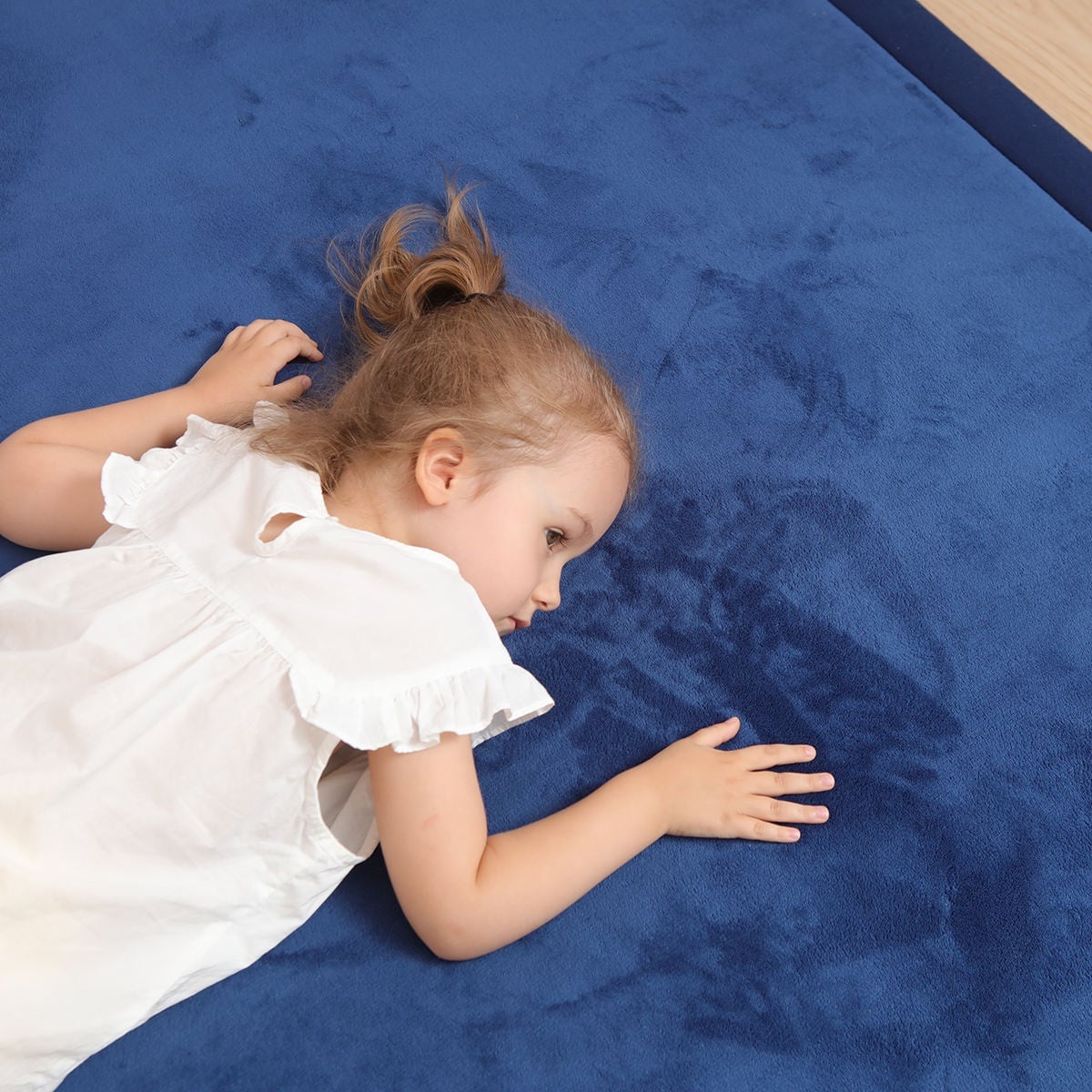
This guide walks you through the key factors to consider when choosing play mats for babies, from material composition and thickness to safety certifications and age appropriateness. By the end, you'll have clear criteria to evaluate any mat and confidence in your selection, ensuring your baby has a secure foundation for exploration and learning during these critical early months.
The foundation of any safe play mat lies in its material composition. High-density foam is the industry standard for play mats for babies because it provides both cushioning and support without being too soft or unstable. Most recommended play mats feature foam thickness between 0.5 to 1 inch, striking the balance between protection and developmental benefit. Thinner mats below 0.5 inches offer insufficient impact protection for falls, while excessively thick mats can hinder babies' natural movement patterns and make crawling more difficult.
When evaluating foam quality, check whether the material is CFC-free and manufactured without harmful chemicals. Non-toxic foam ensures that babies won't inhale dangerous fumes during their activities on the mat. The foam should also pass flame retardancy standards without relying on chemical treatments that could irritate skin during extended contact.
The outer covering of play mats for babies must balance comfort with durability and cleanliness. Soft fabrics like velour, velvet, or cotton blends provide gentle contact with babies' sensitive skin and are typically washable or wipeable. These materials should be hypoallergenic and free from synthetic dyes that could cause allergic reactions. Many quality mats feature waterproof backing layers that prevent liquids from seeping into the foam core, an essential feature for managing inevitable spills, diaper accidents, and cleanup.
Texture matters too—surfaces that are too smooth can create slipping hazards, while slightly textured surfaces provide better grip for crawling babies. The covering should be securely stitched to prevent peeling or separation from the foam, which could create swallowing hazards. Look for reinforced edging and double-stitched seams as indicators of durability.
Legitimate play mats for babies should comply with established safety standards such as ASTM F3108 or similar regulatory guidelines specific to children's products. These certifications indicate that the mat has been tested for chemical content, flammability, and structural integrity. Verify that any mat you consider displays clear certification labels or documentation from recognized testing laboratories. Reputable manufacturers provide easy access to safety documentation and are transparent about material sourcing and manufacturing processes.
Check for the absence of phthalates, BPA, and other endocrine-disrupting chemicals that could pose health risks during infancy. Some play mats for babies are also certified by organizations focusing on organic or eco-friendly standards, which may appeal to parents prioritizing environmental sustainability alongside safety. Don't assume that all mats meet minimum standards—always verify compliance rather than making assumptions based on appearance or marketing claims.
The design of play mats for babies should prevent common injury scenarios. Mats should lie flat without curling edges that could create trip hazards or allow babies to chew on exposed foam. Some mats feature raised borders that prevent babies from rolling off onto harder surfaces—a valuable feature for younger infants. The mat's weight and grip should be sufficient to prevent shifting when babies move or crawl across it, particularly on slippery floors like tile or hardwood.
Examine whether the mat has any loose parts, detachable pieces, or decorative elements that could become choking hazards. Seams should be completely intact, and any stuffing or filling materials should be securely contained. For mats with straps or foldable sections, ensure these features don't create pinching points or entanglement risks. Test the mat's performance in your specific home environment—what works safely on carpet might behave differently on tile.
The ideal play mats for babies varies depending on your child's age and developmental stage. For newborns and young infants in the first three months, priority should be placed on minimal chemical off-gassing and cushioning soft enough for a newborn's delicate bones and developing muscles. Mats with slightly more cushioning support these infants during tummy time without creating muscle strain. As babies enter the four to six month range, they begin rolling and require mats with sufficient stability to support these movements safely.
For crawling babies between seven and twelve months, play mats for babies need higher grip and structural rigidity to prevent slipping during forward movement. Some families find that their mat selection changes as their baby grows, requiring an upgrade to accommodate increasing weight and more vigorous activity. Mats designed for multiple age ranges offer extended utility, though you should verify that a single mat truly meets requirements across a wide developmental span rather than offering compromised performance.
Consider your home's layout when choosing play mats for babies. Smaller apartments may benefit from mats with foldable designs or thinner profiles that store easily, while larger homes might accommodate thicker, more substantial mats that remain in place during daily activities. Account for your flooring type—play mats for babies perform differently on carpet, hardwood, tile, and concrete, each requiring consideration for movement and stability.
Temperature sensitivity should also influence your selection, particularly in homes without climate control or in regions with significant seasonal variation. Some foam materials become too firm in cold environments or overly soft in heat, affecting cushioning effectiveness. Test your chosen mat in your actual home conditions before purchase if possible, or select from brands with generous return policies that allow verification of performance in your specific environment.
Proper maintenance ensures that play mats for babies remain safe and hygienic throughout their lifespan. Regular spot cleaning with mild soap and water removes surface contaminants, while periodic deep cleaning prevents bacterial buildup and odor accumulation. Verify whether your chosen mat can be washed in a washing machine, or if it requires hand cleaning or professional care. Some play mats for babies have removable, machine-washable covers that separate from foam cores, simplifying maintenance significantly.
Inspect your mat regularly for signs of deterioration such as foam breakdown, cover tears, or separation of layers. These conditions compromise safety and should prompt mat replacement. Store unused mats in dry conditions to prevent mold or mildew growth that could compromise cleanliness when the mat is returned to active use. Proper storage also prevents foam degradation that could reduce cushioning effectiveness over time.
Quality play mats for babies typically maintain optimal performance for twelve to twenty-four months of active use, though this varies based on maintenance and intensity of use. As your baby grows and requires less floor time, the mat's importance naturally decreases, though it may serve additional children or be repurposed for other household uses. Establish replacement timelines based on visible wear rather than arbitrary schedules, ensuring you always maintain current safety standards as new research and regulations emerge in child safety.
Consider resale or donation options for outgrown mats in good condition—many families appreciate quality used mats that still meet safety standards. This approach extends the mat's useful life while providing cost relief for your family's growing needs. Document your mat's specifications and maintenance history, as this information helps future users understand the product's safety profile and expected performance characteristics.
The ideal thickness for play mats for babies ranges between 0.5 to 1 inch. This depth provides adequate cushioning for fall protection while maintaining firmness necessary for babies' movement development and muscle building during crawling and early walking stages.
Not all play mats for babies are machine washable. Some feature removable covers that can be washed separately, while others require hand cleaning or spot treatment. Always verify cleaning instructions before purchase to ensure the maintenance approach fits your lifestyle and available time.
Play mats for babies typically require replacement after twelve to twenty-four months of regular use. Replace them sooner if you notice foam compression, cover damage, separation of layers, or persistent odors despite cleaning. Regular inspection helps identify when your mat no longer meets safety and comfort standards for your growing baby.

2026/11/02
Struggling to choose the right living room rugs? Avoid costly mistakes with expert insights on size, material, durability, style & care. Get your perfect rug.

2026/11/03
Worried about infant falls during crawling? Discover how cushioned baby play mats absorb impact, and support motor development. Get expert safety tips now.

2026/11/04
Struggling with messy spills and tummy time needs? Discover waterproof, sensory, and tummy-time-optimized play mat surface. Compare materials now.

2026/11/05
Can a kids play mat reduce noise? Discover how thickness, foam density & full coverage deliver real acoustic relief. Get the guide.

2026/11/06
Why do kids slip on tile, laminate & polished wood? Discover how premium non-slip play mats anchor securely AND absorb impact. Boost safety.

2026/11/09
Tired of scrubbing stains and battling odors? Discover the 5 key kids play mat features—waterproof surfaces, washable covers, non-slip grip. See what makes maintenance effortless.

