 EN

What Should Buyers Know Before Ordering Living Room Rugs?
2026/11/02
Struggling to choose the right living room rugs? Avoid costly mistakes with expert insights on size, material, durability, style & care. Get your perfect rug.
Selecting the right living room rugs for high traffic areas requires careful consideration of durability, material composition, and practical design elements. High traffic living spaces demand rugs that can withstand daily foot traffic, frequent vacuuming, and potential spills without compromising aesthetics or structural integrity. Understanding the specific challenges of high traffic environments helps you make an informed decision that balances style with functionality.
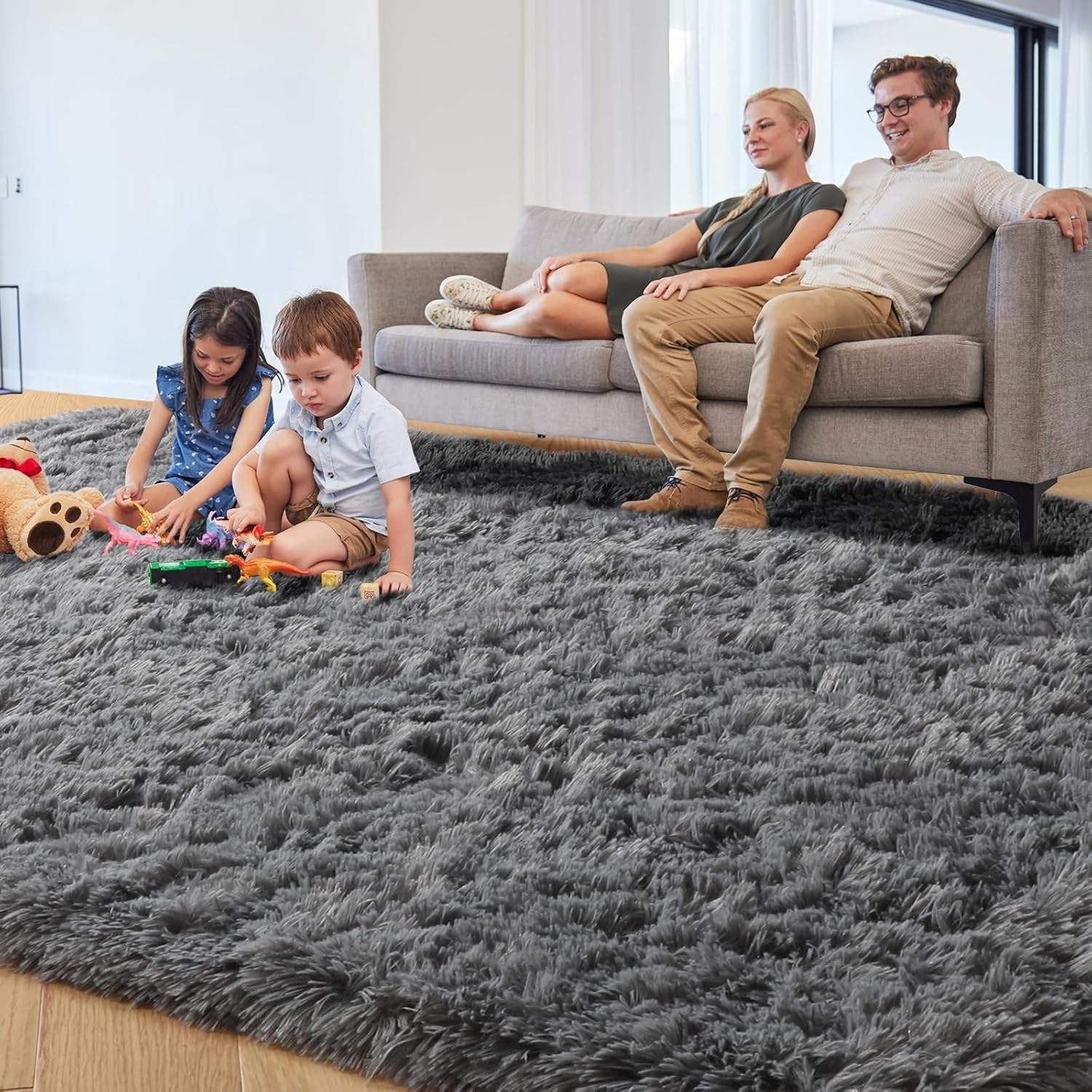
Living room rugs in busy households face unique demands that standard rugs simply cannot handle. Families with children, pets, and frequent visitors need rugs that resist staining, maintain their appearance through heavy use, and withstand rigorous cleaning. The investment in a quality rug designed for high traffic areas will save you money and frustration in the long term by avoiding premature wear, fading, and deterioration.
Synthetic fibers like polypropylene, polyester, and nylon are excellent choices for high traffic living room rugs. These materials excel at resisting stains, fading, and moisture damage compared to natural fibers. Polypropylene rugs offer exceptional stain resistance and are incredibly easy to clean, making them ideal for households with young children or pets. Polyester provides a softer feel while maintaining durability, and nylon offers superior resilience that springs back after foot traffic compression.
While living room rugs made from wool or cotton offer aesthetic appeal and breathability, they require more careful maintenance in high traffic settings. Wool living room rugs can handle moderate traffic but may show visible wear patterns over time. If you prefer natural materials, consider blended rugs that combine wool or cotton with synthetic fibers to gain durability benefits while preserving traditional looks. These hybrid living room rugs provide a practical middle ground for design-conscious homeowners managing busy spaces.
Choosing the correct size for living room rugs significantly impacts both appearance and durability in high traffic zones. A rug that is too small creates visual imbalance and concentrates foot traffic on smaller areas, accelerating wear patterns. Larger living room rugs that anchor furniture groupings distribute traffic across a broader surface, reducing the intensity of wear in any single location. Most design professionals recommend covering at least 50 percent of your living room floor to create adequate protection while maintaining proportional spacing around room edges.
Understanding natural movement patterns through your living room helps you position rugs strategically. High traffic pathways between doorways, seating areas, and entertainment centers experience the most intense use. Position living room rugs to cover these pathways completely, preventing wear patterns from developing along edges or borders. Rugs with patterns and textured surfaces hide foot traffic marks and dirt more effectively than solid colors in these heavily used zones.
High traffic living room rugs require regular vacuuming to prevent dirt accumulation and fiber matting. Weekly vacuuming with a quality machine removes surface debris before particles embed into fibers. Professional deep cleaning every 12 to 18 months helps living room rugs maintain their appearance and extends their useful lifespan significantly. For immediate spill response, blot rather than rub stains to prevent spreading and pushing moisture deeper into the rug's pile structure.
Non-slip underlayment protects living room rugs from shifting while adding cushioning that reduces impact wear. Rug pads prevent bunching and sliding, ensuring your rugs stay positioned correctly to cover high traffic pathways. Protective corner guards and traffic-resistant treatment products enhance durability for living room rugs in the most demanding environments. These relatively inexpensive additions provide significant protection against accelerated wear and help your investment maintain value over many years.
Polypropylene and nylon living room rugs offer superior performance in high traffic spaces due to excellent stain resistance and durability. These synthetic materials withstand heavy foot traffic, frequent cleaning, and moisture exposure better than natural fibers. If you prefer natural-looking options, wool-blend rugs combine aesthetic appeal with practical durability for moderately busy living rooms.
Living room rugs should cover at least 50 percent of your floor space to adequately protect high traffic pathways. Larger rugs distribute foot traffic across more surface area, reducing concentrated wear patterns. Position your living room rugs to fully cover primary walkways between doorways and seating areas rather than leaving vulnerable edges exposed to heavy use.
Vacuum living room rugs in high traffic areas at least weekly to prevent dirt accumulation and fiber matting. Schedule professional deep cleaning every 12 to 18 months to maintain appearance and extend longevity. Immediate attention to spills prevents stains from setting permanently, keeping your living room rugs looking fresh throughout their lifespan.

2026/11/02
Struggling to choose the right living room rugs? Avoid costly mistakes with expert insights on size, material, durability, style & care. Get your perfect rug.

2026/11/03
Worried about infant falls during crawling? Discover how cushioned baby play mats absorb impact, and support motor development. Get expert safety tips now.

2026/11/04
Struggling with messy spills and tummy time needs? Discover waterproof, sensory, and tummy-time-optimized play mat surface. Compare materials now.

2026/11/05
Can a kids play mat reduce noise? Discover how thickness, foam density & full coverage deliver real acoustic relief. Get the guide.

2026/11/06
Why do kids slip on tile, laminate & polished wood? Discover how premium non-slip play mats anchor securely AND absorb impact. Boost safety.

2026/11/09
Tired of scrubbing stains and battling odors? Discover the 5 key kids play mat features—waterproof surfaces, washable covers, non-slip grip. See what makes maintenance effortless.

