 EN

What Should Buyers Know Before Ordering Living Room Rugs?
2026/11/02
Struggling to choose the right living room rugs? Avoid costly mistakes with expert insights on size, material, durability, style & care. Get your perfect rug.
Selecting the right kids play mat is one of the most important decisions parents make when setting up an indoor play space. A quality kids play mat provides a safe, comfortable foundation where children can learn, move, and explore without risk of injury. The right mat supports developmental activities while protecting your home flooring from damage and wear. With so many options available, understanding what makes a great kids play mat will help you invest in a product that serves your family's needs for years to come.
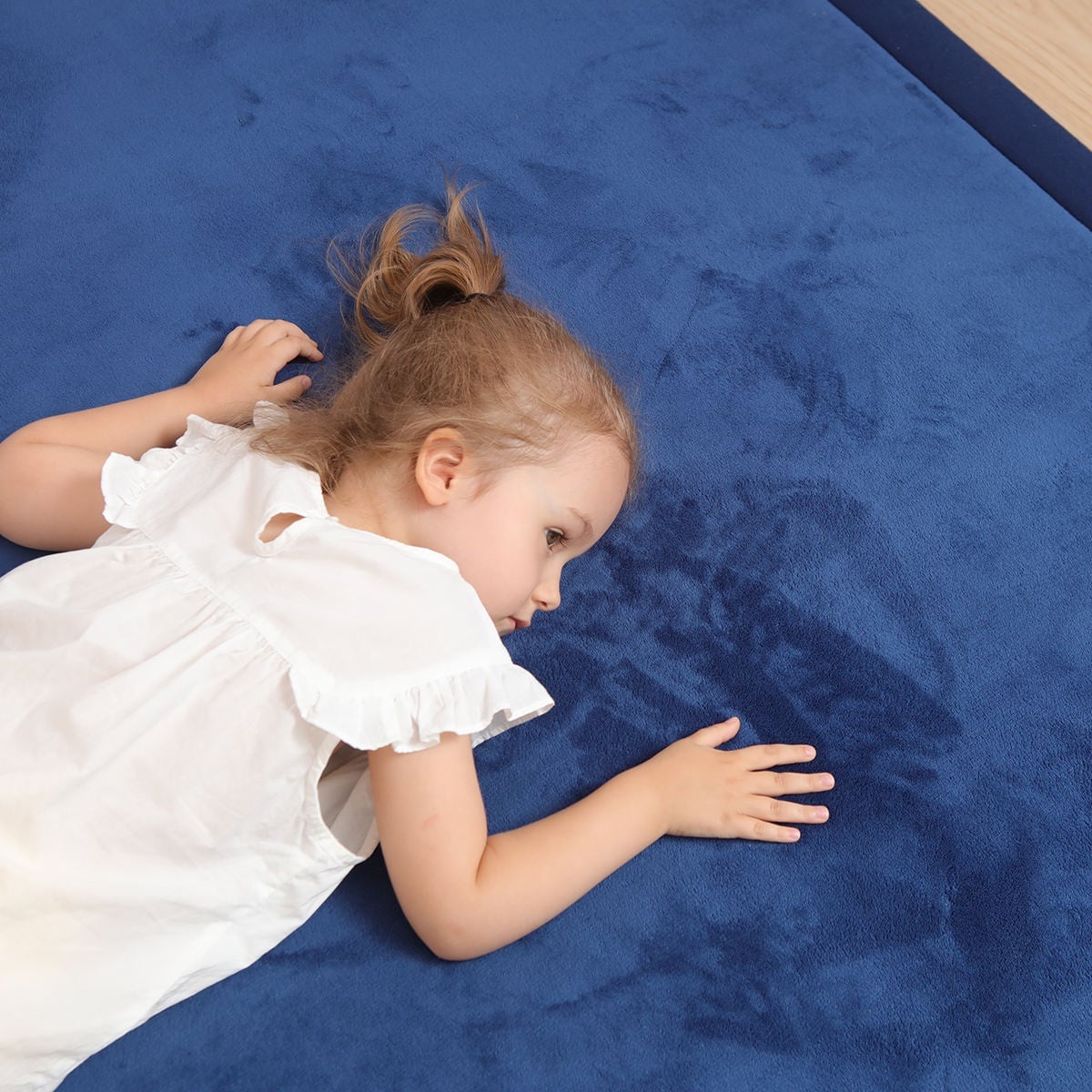
Every parent wants their children to have a safe, engaging environment for indoor play. A soft play mat for kids creates a designated zone where toddlers and preschoolers can develop motor skills, practice yoga poses, or simply enjoy tummy time without hard surfaces causing discomfort. Beyond comfort, the right children play mat serves practical purposes: it defines play boundaries, reduces noise transmission to neighbors, and creates a hygienic barrier between your child and household floors. Understanding the factors that differentiate quality play mats will empower you to make an informed choice that balances safety, durability, and value.
The foundation of any excellent kids play mat lies in its material construction. Premium foam formulations used in high-quality play mats provide superior cushioning and support compared to lower-density alternatives. Closed-cell foam is often preferred because it resists water absorption, making cleanup easier and preventing mold growth. When selecting a soft play mat for kids, check the foam density rating, typically measured in pounds per cubic foot. Denser foam offers better comfort and longevity, though it comes at a higher price point. Thickness also matters significantly—mats ranging from one to two inches thick provide adequate support for most indoor activities, while thicker options offer additional comfort for prolonged use.
The top layer of your kids play mat experiences constant contact with small hands, knees, and toys throughout the day. Velvet or fleece surfaces offer softness and skin-friendliness, making them ideal for sensitive young children. Polyurethane-based coverings provide excellent stain resistance and durability for active play environments. When evaluating surface materials, consider how easily they can be cleaned with mild soap and water, and whether they maintain their texture after repeated washing. A quality children play mat should retain its softness and appearance even after months of regular use. Look for reinforced seams that won't unravel under stress, as this indicates careful manufacturing and long-term durability.
Safety should be your primary consideration when choosing any product for young children. Reputable kids play mat manufacturers subject their products to rigorous testing for toxic chemicals, flame resistance, and structural integrity. Look for certifications from recognized testing bodies that verify the mat meets or exceeds safety standards for children's products. Non-toxic formulations mean the foam and surface materials contain no harmful chemicals that could off-gas into your home or irritate your child's skin. A safe play mat for kids will clearly display safety certifications on its packaging or product description. Request documentation from manufacturers if certifications aren't immediately visible, as this demonstrates their commitment to child health and product transparency.
Many children have sensitive skin or mild allergies that make selecting the right mat even more critical. Hypoallergenic play mats are specifically engineered to minimize allergic reactions and skin irritation. A quality soft play mat for kids avoids common irritants like latex, excessive dyes, or chemical treatments. The material should be breathable to prevent moisture accumulation, which can encourage bacterial growth and odor. Antimicrobial treatments applied during manufacturing can provide additional protection without introducing harsh chemicals. When researching your options, prioritize products where manufacturers openly disclose their chemical testing results and certifications, indicating confidence in their product safety standards.
The ideal size for a kids play mat depends entirely on your available space and intended use. Smaller mats measuring three by five feet work well for apartments or specific activity zones, while larger mats of six by nine feet provide expansive play areas for multiple children. Consider the layout of your room and whether the mat will stay in one location or be moved frequently. A portable play mat for kids should be lightweight enough for regular repositioning, yet large enough to contain most infant or toddler activity safely. Measuring your space before purchasing prevents costly mistakes and ensures the mat fits your home's aesthetic and functional requirements.
Mat thickness directly impacts comfort levels and protection during active play. A one-inch-thick children play mat suits light activity and tummy time but may feel thin for rough-and-tumble play or crawling. Two-inch mats provide optimal support for most developmental stages, offering cushioning without excessive bulk that makes storage difficult. Extra-thick mats exceeding two and a half inches deliver premium comfort but may feel unnecessarily heavy for families who need portability. The right thickness balances your child's age, activity level, and your storage capabilities. Many families find a one and a half-inch play mat for kids represents the sweet spot between comfort, durability, and practical manageability.
Maintaining your kids play mat properly extends its lifespan and keeps it hygienic for your family. Most quality play mats can be spot-cleaned with mild soap and water immediately after spills occur, preventing stains from setting permanently. The best soft play mat for kids features water-resistant surfaces that prevent liquids from penetrating to the foam core. For deeper cleaning, some mats accommodate machine washing of removable covers while the foam base remains protected. Understanding your specific mat's care requirements before purchasing prevents damage from inappropriate cleaning methods. Regular maintenance—such as vacuuming crumbs and wiping surfaces weekly—keeps your children play mat fresh and sanitary for ongoing use.
The true cost of a kids play mat extends beyond the initial purchase price and includes longevity and replacability factors. Premium mats from reputable manufacturers often cost more upfront but deliver superior durability that justifies the investment over several years of daily use. Consider whether replacement covers or repair components are available if the surface becomes damaged but the foam remains sound. Some parents successfully use their original mat across multiple children, making durability an important financial consideration. By investing in a high-quality play mat for kids with excellent materials and construction, families avoid the frustration of replacing damaged mats repeatedly. Reading customer reviews and warranties helps you gauge realistic durability expectations for your chosen product.
For small apartments, a three-by-five-foot kids play mat provides adequate space for most activities without overwhelming your living area. This size offers enough room for tummy time, crawling practice, and toy play while remaining compact and portable. Ensure the mat fits comfortably against one wall or in a corner, leaving clear pathways for safe movement around your home. Many apartment dwellers find this dimension strikes an excellent balance between functionality and spatial efficiency.
Spot-clean your kids play mat immediately when spills occur to prevent permanent staining. Perform weekly surface cleaning by vacuuming crumbs and wiping the mat with a damp cloth. Deep cleaning can happen monthly or quarterly depending on usage frequency and visible soiling. For a soft play mat for kids used daily by multiple children, monthly thorough cleaning maintains hygiene and extends the mat's lifespan significantly. Always check manufacturer guidelines for recommended cleaning frequency and methods specific to your mat.
Most kids play mats are designed specifically for indoor use and may degrade quickly when exposed to UV rays, rain, and temperature fluctuations. While technically portable, prolonged outdoor exposure can damage the foam, fade colors, and compromise the mat's integrity. If you occasionally use a play mat for kids in a covered outdoor area, ensure it dries completely before storing it indoors. For regular outdoor play, investing in a dedicated outdoor mat designed to withstand weather conditions provides better durability and performance than repurposing an indoor mat.

2026/11/02
Struggling to choose the right living room rugs? Avoid costly mistakes with expert insights on size, material, durability, style & care. Get your perfect rug.

2026/11/03
Worried about infant falls during crawling? Discover how cushioned baby play mats absorb impact, and support motor development. Get expert safety tips now.

2026/11/04
Struggling with messy spills and tummy time needs? Discover waterproof, sensory, and tummy-time-optimized play mat surface. Compare materials now.

2026/11/05
Can a kids play mat reduce noise? Discover how thickness, foam density & full coverage deliver real acoustic relief. Get the guide.

2026/11/06
Why do kids slip on tile, laminate & polished wood? Discover how premium non-slip play mats anchor securely AND absorb impact. Boost safety.

2026/11/09
Tired of scrubbing stains and battling odors? Discover the 5 key kids play mat features—waterproof surfaces, washable covers, non-slip grip. See what makes maintenance effortless.

