 EN

What Should Buyers Know Before Ordering Living Room Rugs?
2026/11/02
Struggling to choose the right living room rugs? Avoid costly mistakes with expert insights on size, material, durability, style & care. Get your perfect rug.
Selecting the right flooring element can transform any interior space, but many homeowners struggle with finding solutions that match their unique aesthetic vision. Custom rugs offer a powerful way to achieve personalized interiors that reflect individual style preferences while serving practical comfort and functional needs. Whether you're designing a modern living room, eclectic bedroom, or sophisticated commercial space, understanding how to choose the right custom rugs ensures your investment enhances rather than clashes with your overall design scheme.
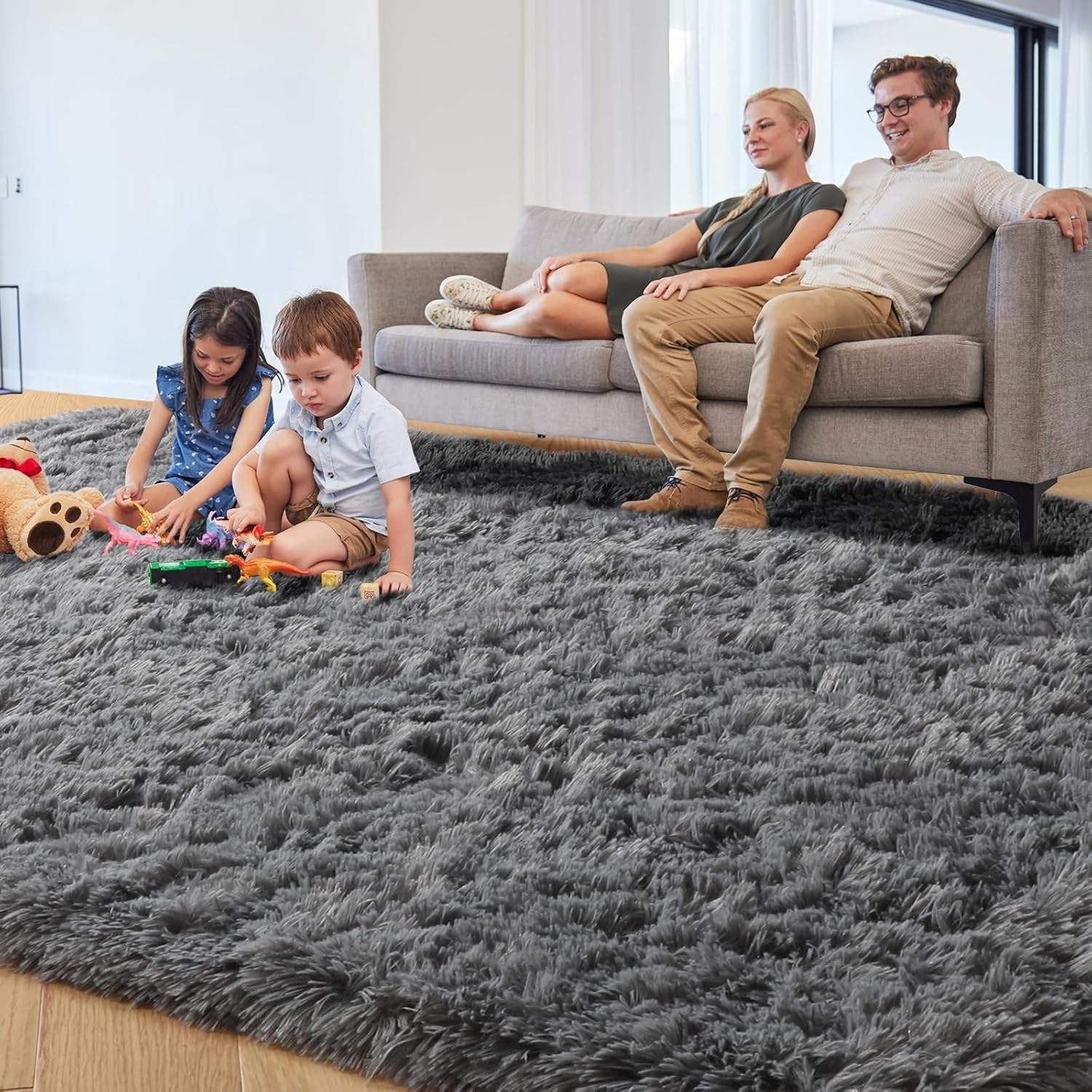
Custom rugs differ from mass-produced options because they allow you to specify exact dimensions, colors, patterns, and materials tailored to your space. This flexibility means custom rugs can fit unusual room layouts, complement specific design themes, and accommodate personal preferences in ways standard inventory pieces cannot. Understanding the selection process helps you navigate choices confidently and invest wisely in pieces that will satisfy your design goals for years to come.
Before selecting custom rugs, accurate room measurements form the foundation of your decision. Measure the length and width of your space, noting any architectural features like fireplaces, built-in furniture, or irregular walls that affect placement. Custom rugs work best when they anchor furniture groupings, so consider whether you want the rug to extend under seating pieces or sit as a defined area statement. A larger custom rug typically creates a cohesive look, while smaller custom rugs can highlight specific zones within open-plan spaces.
The size of your custom rugs should relate proportionally to the room and furniture arrangement. In living rooms, custom rugs that extend at least 18 inches beyond seating edges create visual unity and define conversation areas. Bedrooms benefit from custom rugs positioned on both sides or at the foot of beds, providing comfort while framing the sleeping space. Commercial environments require custom rugs sized appropriately to entryways or collaborative zones, ensuring they don't feel cramped or overwhelmingly large within the overall footprint.
Custom rugs come in various fiber types, each offering distinct performance characteristics relevant to your specific needs. Wool custom rugs provide natural durability, moisture resistance, and natural stain resistance, making them ideal for high-traffic areas and long-term investment. Synthetic fibers like polypropylene offer budget-friendly options with excellent stain resistance and easy maintenance, perfect for households with pets or children. Natural fibers such as jute, sisal, and seagrass create texture and warmth but require careful consideration in moisture-prone or high-traffic spaces where durability matters most.
Evaluating how custom rugs fit your lifestyle prevents buyer's remorse and extends product life significantly. Homes with young children or pets benefit from low-maintenance custom rugs featuring performance fibers and tight weaves that resist soiling and shed minimally. Formal spaces can accommodate more delicate materials that require professional cleaning periodically. Understanding your cleaning capacity, household activity level, and budget for maintenance helps narrow custom rugs options to choices that align with realistic care expectations rather than aspirational cleaning routines you won't maintain.
Custom rugs offer exceptional opportunity to introduce or reinforce color schemes within your interior design narrative. Neutral custom rugs in cream, gray, or soft beige provide versatile foundations that adapt as décor evolves, making them practical for frequently updated spaces. Bold-colored custom rugs can become focal points that energize spaces, while patterned custom rugs tie together multiple color palettes when designed intentionally. Consider how natural and artificial lighting affects color perception in your specific room, and request color samples that sit in your actual space before finalizing custom rugs orders to ensure satisfaction with the final appearance.
The pattern selection for custom rugs should support your overall design aesthetic rather than compete with existing elements for visual attention. Geometric patterns work well in contemporary and transitional interiors, while traditional motifs complement classic and eclectic schemes beautifully. Textured custom rugs add tactile interest and visual depth, particularly effective in minimalist spaces where subtle variation prevents monotony. Working with designers or consultants specializing in custom rugs ensures your pattern choices integrate cohesively and maintain design continuity across your entire interior environment.
Custom rugs pricing reflects material quality, size dimensions, design complexity, and production methods employed. Natural fiber custom rugs typically command higher prices than synthetic options, but durability and aesthetic longevity often justify premium costs. Large-scale custom rugs require more material investment than smaller pieces, while intricate patterns and specialized dyes increase labor and production expenses. Establishing a realistic budget before customization allows you to make informed choices between upgrade options and prioritize features that matter most to your design vision and practical requirements.
Viewing custom rugs as long-term investments rather than temporary purchases influences selection decisions and budget allocation. Well-made custom rugs with quality materials appreciate in value for interior design authenticity and can outlast multiple seasons of style trends. Protecting your investment through appropriate placement, maintenance routines, and protective treatments extends the lifespan significantly. Properties featuring thoughtfully chosen custom rugs that enhance interior design demonstrate higher resale appeal, making this spending category a legitimate home improvement investment rather than purely consumptive expense.
Small spaces benefit from custom rugs proportioned to emphasize rather than overwhelm the room. Runners work effectively in narrow hallways and bedside areas, while 5x7 or 6x9 custom rugs create defined zones in compact living areas without consuming excessive floor space. Lighter colors and subtle patterns in custom rugs help small rooms feel more expansive, while adequate padding adds comfort without bulk.
Non-slip rug pads specifically designed for hardwood floors provide effective protection, keeping custom rugs in place during daily activity and furniture movement. Quality pads prevent damage to both floor surfaces and rug undersides while improving safety by eliminating trip hazards. Installing pads under custom rugs represents minimal investment compared to potential floor damage or personal injury risk.
Custom rugs designed specifically for moisture-prone environments use moisture-resistant fibers and special backing that prevents mold and mildew growth. These specialized custom rugs perform well in kitchens and bathrooms when placed strategically away from direct water sources. Professional installation and regular cleaning maintain longevity, making custom rugs a viable decorative option even in challenging room types.

2026/11/02
Struggling to choose the right living room rugs? Avoid costly mistakes with expert insights on size, material, durability, style & care. Get your perfect rug.

2026/11/03
Worried about infant falls during crawling? Discover how cushioned baby play mats absorb impact, and support motor development. Get expert safety tips now.

2026/11/04
Struggling with messy spills and tummy time needs? Discover waterproof, sensory, and tummy-time-optimized play mat surface. Compare materials now.

2026/11/05
Can a kids play mat reduce noise? Discover how thickness, foam density & full coverage deliver real acoustic relief. Get the guide.

2026/11/06
Why do kids slip on tile, laminate & polished wood? Discover how premium non-slip play mats anchor securely AND absorb impact. Boost safety.

2026/11/09
Tired of scrubbing stains and battling odors? Discover the 5 key kids play mat features—waterproof surfaces, washable covers, non-slip grip. See what makes maintenance effortless.

