 EN

What Should Buyers Know Before Ordering Living Room Rugs?
2026/11/02
Struggling to choose the right living room rugs? Avoid costly mistakes with expert insights on size, material, durability, style & care. Get your perfect rug.
Selecting the right baby play mat is one of the most important decisions parents make when setting up a safe and engaging environment for their infants and toddlers. A quality play mat provides a clean, cushioned surface where your child can explore, develop motor skills, and play safely. Whether you are furnishing a nursery, living room, or daycare space, understanding what makes a great baby play mat will help you make an informed choice that supports your child's development while fitting your lifestyle and budget.
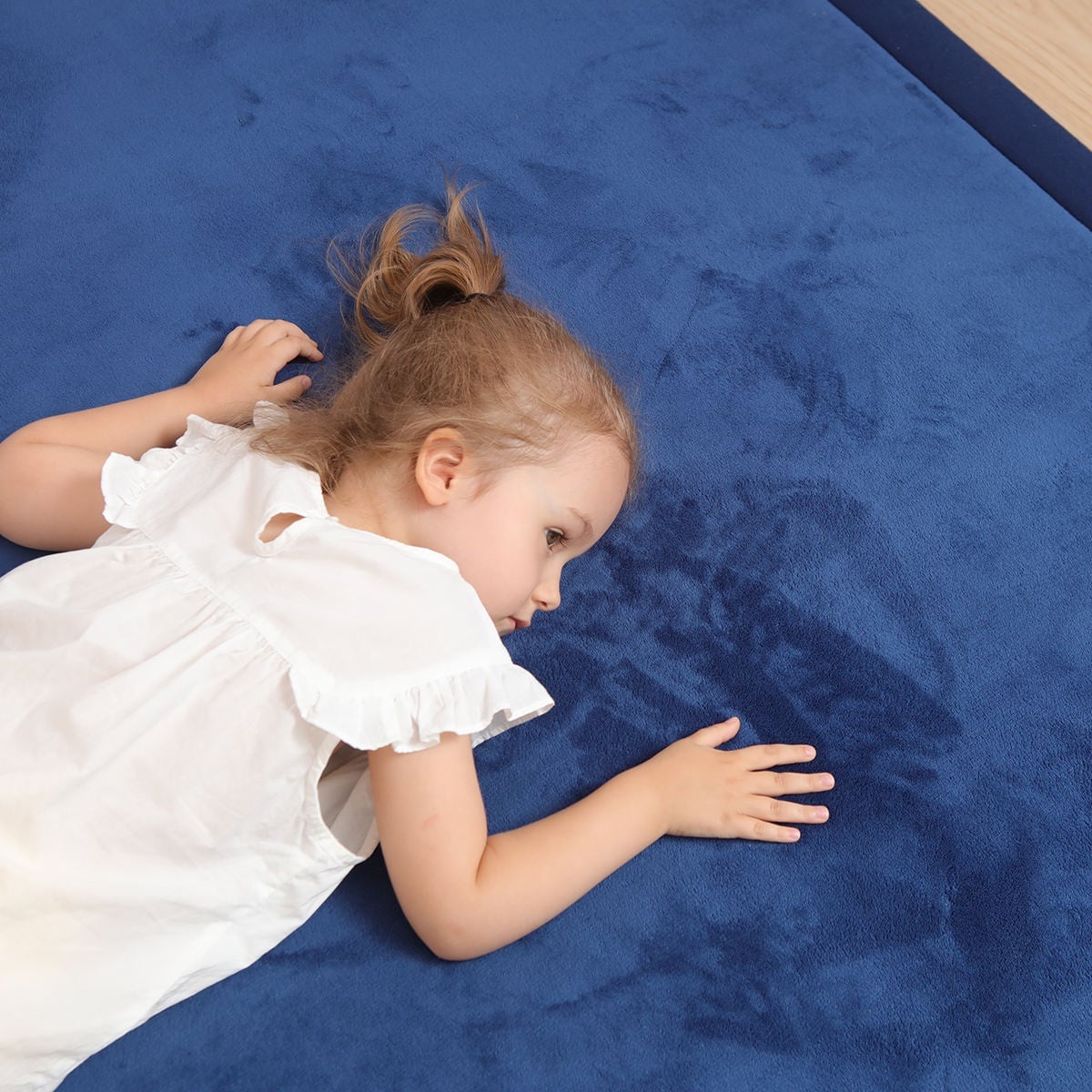
A baby play mat serves as more than just a comfortable surface. It creates a defined, hygienic space that protects your child from cold floors, dirt, and germs. Beyond safety and comfort, the right play mat encourages tummy time, crawling, and interactive play. Parents often wonder which materials, sizes, and features matter most. This guide breaks down the essential factors to consider when selecting a baby play mat so you can choose with confidence.
The foundation of any quality baby play mat begins with its foam core. High-density foam provides superior cushioning that absorbs impact without flattening over time, protecting your baby during falls and active play. When choosing a baby play mat, check the foam thickness—typically between 0.5 and 1 inch—and verify that it meets safety standards for compression resistance. Thicker foam mats maintain their supportive structure longer and offer better temperature regulation, keeping your child comfortable during extended play sessions.
Surface materials also significantly affect the usability of your baby play mat. Soft, skin-friendly fabrics like coral velvet, microfiber, or cotton blends are gentle against sensitive skin and easy to clean. These materials should be non-toxic and free from harmful chemicals like BPA, phthalates, and lead. When selecting a baby play mat, always verify certifications from recognized safety organizations such as ASTM International or CPSC to ensure the materials meet rigorous safety and quality standards.
A reliable baby play mat must have a strong non-slip backing to prevent shifting during use, especially on hard floors like tile or laminate. Non-skid rubber or PVC backing anchors the mat in place while your child moves, crawls, and plays. Water resistance is equally critical—your baby play mat will encounter spills, drool, and diaper accidents. Look for materials with protective water-resistant layers that allow easy wiping and quick drying without moisture seeping into the foam core, which could lead to mold or odor problems.
Size selection depends on your available space and your child's age. For infants, a smaller baby play mat measuring 39 by 47 inches or 47 by 59 inches offers adequate tummy time space without overwhelming a nursery. As your child grows into toddlerhood, larger mats—60 by 72 inches or modular interlocking options—provide room for crawling, walking, and multiple activities. Measure your intended area and consider future growth. Many parents prefer a baby play mat large enough that caregivers can sit alongside the child, making interaction and supervision easier during play sessions.
Thicker mats, typically 0.75 to 1 inch, are ideal for tummy time and young infants who need extra cushioning for head and joint protection. A baby play mat of this thickness reduces impact during learning-to-crawl stages. Thinner mats, around 0.5 inches, work well for toddlers with better balance and coordination. Consider your flooring type too—hardwood or tile floors benefit from thicker baby play mat options, while carpeted areas can use slightly thinner versions since the underlying carpet provides additional cushioning and insulation.
Before purchasing any baby play mat, confirm it meets ASTM F1472 standards for non-toxic materials and safety testing. Look for certifications from the Consumer Product Safety Commission or equivalent regulatory bodies in your country. These standards ensure your baby play mat contains no harmful substances and is constructed to prevent injuries like sharp edges, loose seams, or instability. Many manufacturers provide testing reports—always request these documents before committing to a purchase.
Additionally, check whether your baby play mat has been tested for heavy metal content, flame resistance, and chemical offgassing. Quality mats come with clear documentation of material sourcing and manufacturing processes. Never choose a baby play mat based solely on price; investing in certified, tested products protects your child's long-term health and provides peace of mind that the surface your child spends hours on meets international safety standards.
Maintenance affects how long your baby play mat remains hygienic and functional. Select a mat with a wipeable, water-resistant surface that can be cleaned quickly with mild soap and water. Many baby play mat options are completely washable—removable covers or machine-washable designs make deep cleaning straightforward. For storage, choose a baby play mat that rolls or folds compactly if space is limited, or opt for modular interlocking mats that stack easily. Proper ventilation and dry storage prevent mold and extend your mat's lifespan significantly, ensuring your investment lasts through multiple children or years of use.
The ideal thickness depends on your child's age and your flooring. For infants and tummy time, a baby play mat thickness of 0.75 to 1 inch provides optimal cushioning and impact protection. For toddlers on carpeted floors, 0.5 inches is sufficient. Always verify the foam density rather than thickness alone, as high-density foam at 0.5 inches often outperforms low-density foam at greater thicknesses.
Clean your baby play mat weekly with a damp cloth and mild soap to remove dust, drool, and surface bacteria. Deep clean or wash removable covers every two weeks. Spot-clean spills immediately to prevent moisture from penetrating the foam. Ensure the mat dries completely before your baby uses it again to prevent mold growth and maintain a fresh, hygienic surface for play.
Many baby play mats can be used outdoors on clean, flat surfaces like patios or decks, provided they are water-resistant and non-slip. However, extended sun exposure can fade colors and degrade materials over time. Always supervise outdoor use, clean the mat afterward, and store it indoors when not in use. If outdoor use is frequent, consider a dedicated outdoor-rated baby play mat designed to withstand UV exposure and environmental wear.

2026/11/02
Struggling to choose the right living room rugs? Avoid costly mistakes with expert insights on size, material, durability, style & care. Get your perfect rug.

2026/11/03
Worried about infant falls during crawling? Discover how cushioned baby play mats absorb impact, and support motor development. Get expert safety tips now.

2026/11/04
Struggling with messy spills and tummy time needs? Discover waterproof, sensory, and tummy-time-optimized play mat surface. Compare materials now.

2026/11/05
Can a kids play mat reduce noise? Discover how thickness, foam density & full coverage deliver real acoustic relief. Get the guide.

2026/11/06
Why do kids slip on tile, laminate & polished wood? Discover how premium non-slip play mats anchor securely AND absorb impact. Boost safety.

2026/11/09
Tired of scrubbing stains and battling odors? Discover the 5 key kids play mat features—waterproof surfaces, washable covers, non-slip grip. See what makes maintenance effortless.

