 EN

What Should Buyers Know Before Ordering Living Room Rugs?
2026/11/02
Struggling to choose the right living room rugs? Avoid costly mistakes with expert insights on size, material, durability, style & care. Get your perfect rug.
Selecting the right anxiety blanket weight is a critical decision that directly impacts your comfort, sleep quality, and therapeutic benefits. Many people invest in weighted blankets without understanding how weight selection affects overall effectiveness and personal satisfaction. The wrong weight can diminish the calming effects you seek, while the ideal weight creates a gentle pressure that promotes relaxation and reduces anxiety. This guide walks you through the essential factors to consider when determining the best anxiety blanket weight for your unique needs.
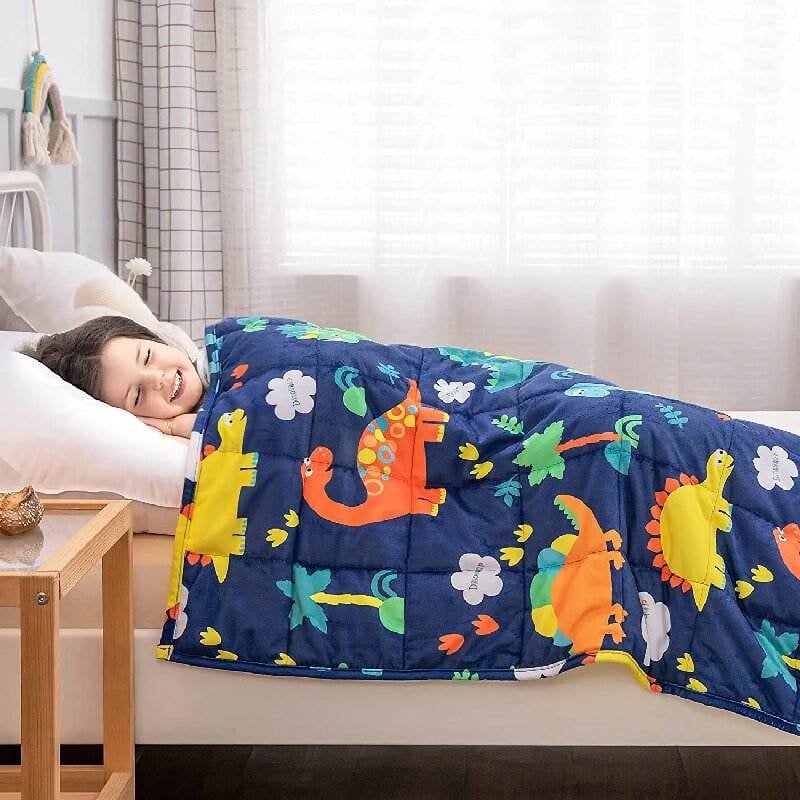
The anxiety blanket weight you choose should follow established guidelines while accounting for individual preferences and physical characteristics. Most sleep experts recommend selecting a weighted blanket that equals approximately 5 to 10 percent of your body weight, though personal comfort and therapeutic response vary significantly. Understanding how weight influences the blanket's deep pressure touch therapy mechanism allows you to make an informed decision that enhances your anxiety relief and promotes better sleep patterns.
The therapeutic benefit of anxiety blanket weight stems from deep pressure touch therapy, a scientifically recognized technique that calms the nervous system. When a weighted blanket applies gentle, distributed pressure across your body, it stimulates proprioceptive receptors in your muscles and joints. This sensory input triggers the release of serotonin and melatonin while reducing cortisol levels, creating measurable improvements in anxiety and sleep quality. The anxiety blanket weight must be sufficient to activate these mechanisms without causing discomfort or restriction.
Proper weight distribution in an anxiety blanket determines how effectively the calming pressure reaches your body. A well-designed weighted blanket spreads weight evenly through internal compartments or quilting patterns, preventing bunching and ensuring consistent therapeutic pressure. The anxiety blanket weight should feel like a gentle hug rather than a restriction, creating what sleep researchers call the 'anchor effect.' This distributed pressure system is why blanket construction quality matters as much as the total weight itself.
The most reliable starting point for selecting anxiety blanket weight involves calculating 5 to 10 percent of your body weight. For a 150-pound person, this suggests a blanket weighing between 7.5 and 15 pounds. If you weigh 200 pounds, aim for 10 to 20 pounds. This calculation provides a baseline, but individual factors like muscle mass, metabolism, and personal anxiety triggers influence the optimal range. Some people prefer blankets on the lighter end of this spectrum, while others respond better to maximum recommended weight.
Your anxiety blanket weight preference depends on sensory sensitivity, sleeping position, and personal anxiety patterns. Side sleepers often prefer slightly lighter weights than back sleepers, as side pressure concentrates more intensely. People with sensory processing sensitivities may find even the recommended weight overwhelming initially, requiring gradual adjustment to heavier blankets. Those with moderate to severe anxiety sometimes benefit from blankets at the upper end of their weight range, though comfort should never be sacrificed for pressure intensity.
The anxiety blanket weight you select should account for your climate and seasonal sleeping needs. In warm climates or summer months, a lighter weighted blanket prevents overheating while maintaining therapeutic pressure benefits. Conversely, colder climates allow for heavier anxiety blanket weights that provide both pressure therapy and warmth. Breathable materials and fabric weight become increasingly important when selecting anxiety blanket weight for year-round use, as material choice directly impacts temperature regulation and long-term usability.
Certain health conditions require adjusted anxiety blanket weight recommendations. People with circulation issues, joint pain, or respiratory conditions should consult healthcare providers before selecting heavy weighted blankets. Pregnant individuals often prefer lighter anxiety blanket weights for comfort and safety. Those recovering from surgery or managing acute pain conditions benefit from gradual weight progression rather than jumping to maximum recommended weights. Your anxiety blanket weight selection should support your overall wellness goals rather than creating additional physical stress.
Many anxiety blanket weight selections require an adjustment period before full benefits emerge. Sleep experts recommend using your chosen anxiety blanket weight consistently for at least two weeks before evaluating effectiveness. Start with lighter options if you're new to weighted blankets, gradually increasing anxiety blanket weight as your body adapts to the pressure sensation. Some individuals find that their ideal anxiety blanket weight changes seasonally or as their anxiety patterns evolve, requiring periodic reassessment of their blanket selection.
The effective feeling of anxiety blanket weight depends significantly on blanket construction and material composition. Minky or plush materials create a softer pressure sensation compared to cotton covers, making weighted blankets with premium fabrics feel lighter despite identical weight ratings. Quilted construction with evenly distributed internal weight maintains consistent pressure, while poorly constructed blankets create pressure points that undermine the anxiety relief benefits. High-quality anxiety blanket weight distribution ensures that the actual weight translates into genuine therapeutic pressure rather than dead weight that reduces comfort.
An excessively heavy anxiety blanket weight can cause physical discomfort, restrict breathing, and increase anxiety rather than reducing it. Overly weighted blankets may create pressure points on joints and muscles, leading to pain that contradicts the therapeutic goal. If your anxiety blanket weight feels suffocating or creates any sense of being trapped, you've likely exceeded your optimal range and should select a lighter option that maintains comfort while providing therapeutic benefits.
Children and adults require different anxiety blanket weight specifications based on developmental stage and body composition. Children typically need blankets weighing 5 to 10 percent of their body weight, following the same general formula as adults but with stricter safety oversight. Pediatric guidelines recommend anxiety blanket weights of 4 to 7 pounds for most children, with careful age-based recommendations preventing safety issues. Always consult manufacturers' guidelines and pediatric experts when selecting anxiety blanket weight for children to ensure age-appropriate therapy.
Your ideal anxiety blanket weight may change based on life circumstances, health status, and evolving anxiety patterns. Seasonal transitions typically prompt weight reassessment, as summer months may feel uncomfortable with heavier blankets. Significant life changes, stress level fluctuations, or new health diagnoses sometimes require adjusted anxiety blanket weight selections. Most sleep specialists recommend annual reassessment to ensure your current blanket continues meeting your therapeutic and comfort needs, particularly if your sleep quality or anxiety management shifts noticeably.

2026/11/02
Struggling to choose the right living room rugs? Avoid costly mistakes with expert insights on size, material, durability, style & care. Get your perfect rug.

2026/11/03
Worried about infant falls during crawling? Discover how cushioned baby play mats absorb impact, and support motor development. Get expert safety tips now.

2026/11/04
Struggling with messy spills and tummy time needs? Discover waterproof, sensory, and tummy-time-optimized play mat surface. Compare materials now.

2026/11/05
Can a kids play mat reduce noise? Discover how thickness, foam density & full coverage deliver real acoustic relief. Get the guide.

2026/11/06
Why do kids slip on tile, laminate & polished wood? Discover how premium non-slip play mats anchor securely AND absorb impact. Boost safety.

2026/11/09
Tired of scrubbing stains and battling odors? Discover the 5 key kids play mat features—waterproof surfaces, washable covers, non-slip grip. See what makes maintenance effortless.

