 EN

What Should Buyers Know Before Ordering Living Room Rugs?
2026/11/02
Struggling to choose the right living room rugs? Avoid costly mistakes with expert insights on size, material, durability, style & care. Get your perfect rug.
Selecting the right baby play mat is one of the most important decisions parents make when creating a safe play environment for their infants. A quality baby play mat provides a cushioned, clean surface where babies can explore, develop motor skills, and play safely under supervision. The right choice protects your infant from hard floors, provides hygiene benefits, and supports healthy development during critical early years.
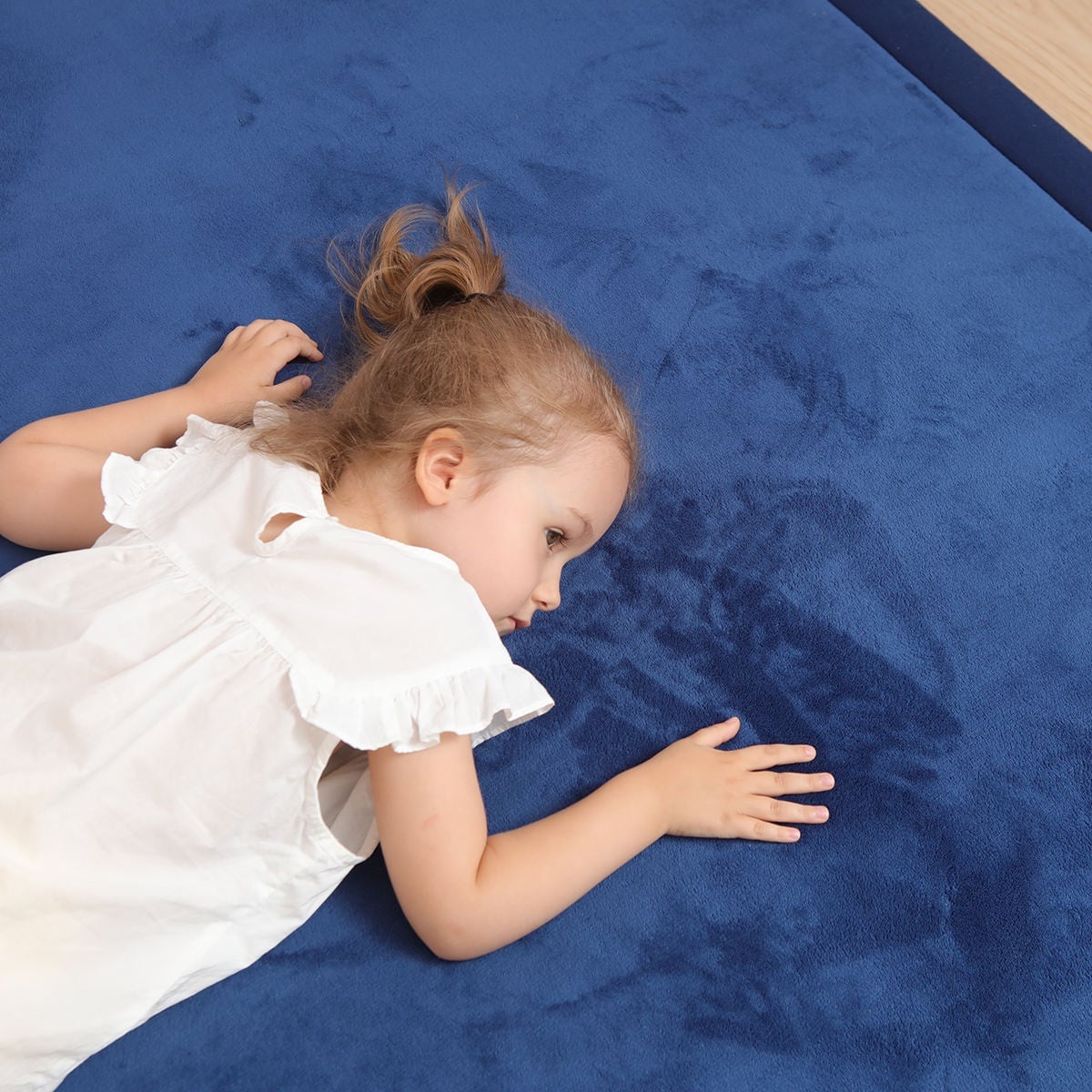
When choosing a baby play mat for your infant, understanding safety standards and material quality becomes essential. Parents must evaluate multiple factors including cushioning depth, non-toxic certifications, easy cleaning capabilities, durability, and size appropriateness. This comprehensive guide walks you through the key considerations that help you select a baby play mat that meets your family's specific needs while ensuring maximum protection and comfort for your growing child.
The foundation of a safe baby play mat begins with material selection. Infants spend considerable time on their play surfaces, often placing their hands and mouths on the material. A quality baby play mat should be made from non-toxic foam, rubber, or fabric that carries recognized safety certifications such as CPSIA, ASTM, or Oeko-Tex Standard 100. These certifications verify that the baby play mat does not contain harmful chemicals, heavy metals, or substances that could leach into your infant's skin or respiratory system.
Closed-cell foam is often preferred in premium baby play mat designs because it resists moisture penetration, bacterial growth, and maintains structural integrity over extended use. When evaluating a baby play mat's material, check for thick, cushioned layers that provide adequate support without being too soft. The surface should have a smooth, washable covering that resists stains and allows easy daily cleaning. Avoid baby play mat options with strong chemical odors, which typically indicate off-gassing from low-quality manufacturing processes.
Cushioning depth directly affects how well a baby play mat protects your infant from falls and impacts. A proper baby play mat should measure at least half an inch thick, though many parents prefer one inch or greater thickness for enhanced protection. The ideal baby play mat provides enough give to absorb impact forces while maintaining structural support underneath. Test the firmness by pressing down; the baby play mat should compress slightly but quickly return to its original shape.
Thinner baby play mat products may seem more affordable initially, but they offer minimal protection during early crawling stages when infants frequently lose their balance. A well-designed baby play mat with appropriate thickness reduces the risk of head injuries from falls on hard flooring surfaces. Consider your home's existing flooring—hardwood or tile floors require more substantial baby play mat cushioning than carpeted areas. The thickness of your chosen baby play mat should provide confidence during unsupervised crawling and early walking development.
Choosing the right dimensions for your baby play mat depends on your available space and usage patterns. Smaller baby play mat options work well for apartments or space-limited homes, typically ranging from 36 by 48 inches. Larger baby play mat formats, often 60 by 80 inches or more, provide play space for multiple children or growing infants who need room to explore safely. Consider whether you need a portable baby play mat that folds compactly for travel or a permanent installation in a dedicated play area.
Portability matters significantly for families who frequently visit grandparents' homes, travel, or attend daycare facilities. A foldable baby play mat allows you to maintain consistent play standards across different environments. However, frequently folded baby play mat materials may develop creases or stress points that compromise durability. Assess your lifestyle needs honestly—if portability ranks high, prioritize baby play mat brands known for maintaining quality after repeated folding and storage cycles. Non-folding but stackable baby play mat designs offer a compromise for families who need occasional mobility without continuous portable use.
Hygiene directly impacts infant health and safety, making maintenance features crucial when selecting a baby play mat. The best baby play mat options feature removable, machine-washable covers that separate from the foam core. This design allows thorough sanitization without degrading the cushioning material underneath. Check whether your chosen baby play mat requires special detergents, warm water only, or can tolerate bleach for occasional disinfection during illness periods.
Non-washable or difficult-to-clean baby play mat surfaces trap bacteria, dust mites, and allergens that pose respiratory risks for infants. Surface-wiping alone proves inadequate for a baby play mat that receives daily use and frequent contact with messy play activities. Verify that your baby play mat manufacturer provides clear cleaning guidance and confirms that the material withstands regular washing without degradation. Water-resistant, stain-resistant baby play mat covers extend the product lifespan while maintaining hygiene standards your infant deserves.
Investment in a quality baby play mat extends beyond the initial purchase, requiring consideration of how long the product maintains safety and functionality. Superior construction in a baby play mat includes reinforced edges that resist fraying and delamination, multiple layers bonded through advanced manufacturing, and corner designs that prevent curling or lifting hazards. Examine the baby play mat's stitching, seams, and adhesive bonds that hold layers together—these construction elements determine whether your baby play mat survives crawling, teething, and repeated cleaning cycles.
A well-constructed baby play mat typically lasts through multiple children in a family or serves single infants from birth through early walking stages. Premium baby play mat products often include manufacturer warranties of three to five years, reflecting confidence in construction durability. Budget options with lower price points frequently show wear after six months of heavy use, defeating the cost-saving purpose. When evaluating baby play mat longevity, calculate the cost per month of expected use rather than focusing solely on upfront price.
Consider how environmental factors affect your baby play mat's performance over time. Direct sunlight exposure causes certain baby play mat materials to fade, become brittle, or develop surface cracks. High-humidity environments or poorly ventilated storage spaces encourage mold growth on baby play mat materials. Select a baby play mat designed for your specific climate and storage conditions, or commit to proper environmental controls that maintain the product's integrity. Some baby play mat manufacturers offer UV-resistant formulations or mold-inhibiting treatments for humid climates.
Recycling or donation options should factor into your long-term baby play mat decision. Some manufacturers accept used baby play mat products for responsible recycling, while others support donation programs to families in need. Understanding your baby play mat's complete lifecycle helps you make environmentally conscious choices that align with your family values. This perspective transforms a single purchase decision into a commitment to responsible consumption that benefits both your household and your community.
A safe baby play mat should be at least half an inch thick, with one inch or greater thickness recommended for optimal impact protection during crawling and early walking stages. The thickness directly correlates with fall injury prevention, making it a critical safety specification rather than a luxury feature. Measure cushioning depth before purchasing to ensure your chosen baby play mat meets protection standards for your infant's developmental stage.
A baby play mat used daily should receive surface cleaning two to three times weekly and deep washing with detergent at least once monthly. Frequency may increase during cold seasons when infants spend more time indoors on the baby play mat. If your infant is recovering from illness or experiencing diaper incidents on the baby play mat, immediate thorough cleaning is necessary. Machine-washable baby play mat covers make frequent sanitization practical and convenient for busy parents.
A baby play mat works effectively on hardwood floors when properly selected, though additional underpadding provides extra slip resistance and cushioning. Non-slip underpadding beneath your baby play mat prevents shifting during active play while adding protective layers against hard subflooring. Quality baby play mat products include non-slip backing features, but additional padding remains beneficial in high-activity areas. Test whether your specific baby play mat configuration stays secure on your hardwood floor without additional measures before committing to the purchase.

2026/11/02
Struggling to choose the right living room rugs? Avoid costly mistakes with expert insights on size, material, durability, style & care. Get your perfect rug.

2026/11/03
Worried about infant falls during crawling? Discover how cushioned baby play mats absorb impact, and support motor development. Get expert safety tips now.

2026/11/04
Struggling with messy spills and tummy time needs? Discover waterproof, sensory, and tummy-time-optimized play mat surface. Compare materials now.

2026/11/05
Can a kids play mat reduce noise? Discover how thickness, foam density & full coverage deliver real acoustic relief. Get the guide.

2026/11/06
Why do kids slip on tile, laminate & polished wood? Discover how premium non-slip play mats anchor securely AND absorb impact. Boost safety.

2026/11/09
Tired of scrubbing stains and battling odors? Discover the 5 key kids play mat features—waterproof surfaces, washable covers, non-slip grip. See what makes maintenance effortless.

