 EN

What Should Buyers Know Before Ordering Living Room Rugs?
2026/11/02
Struggling to choose the right living room rugs? Avoid costly mistakes with expert insights on size, material, durability, style & care. Get your perfect rug.
Selecting the right foam play mat for your child is one of the most important decisions you can make as a parent. A quality foam play mat provides a safe, comfortable surface where children can explore, learn, and play without risk of injury. The right choice depends on understanding material quality, thickness, safety certifications, and how the mat fits into your home's layout and your family's lifestyle. This guide walks you through the essential factors that will help you make an informed decision.
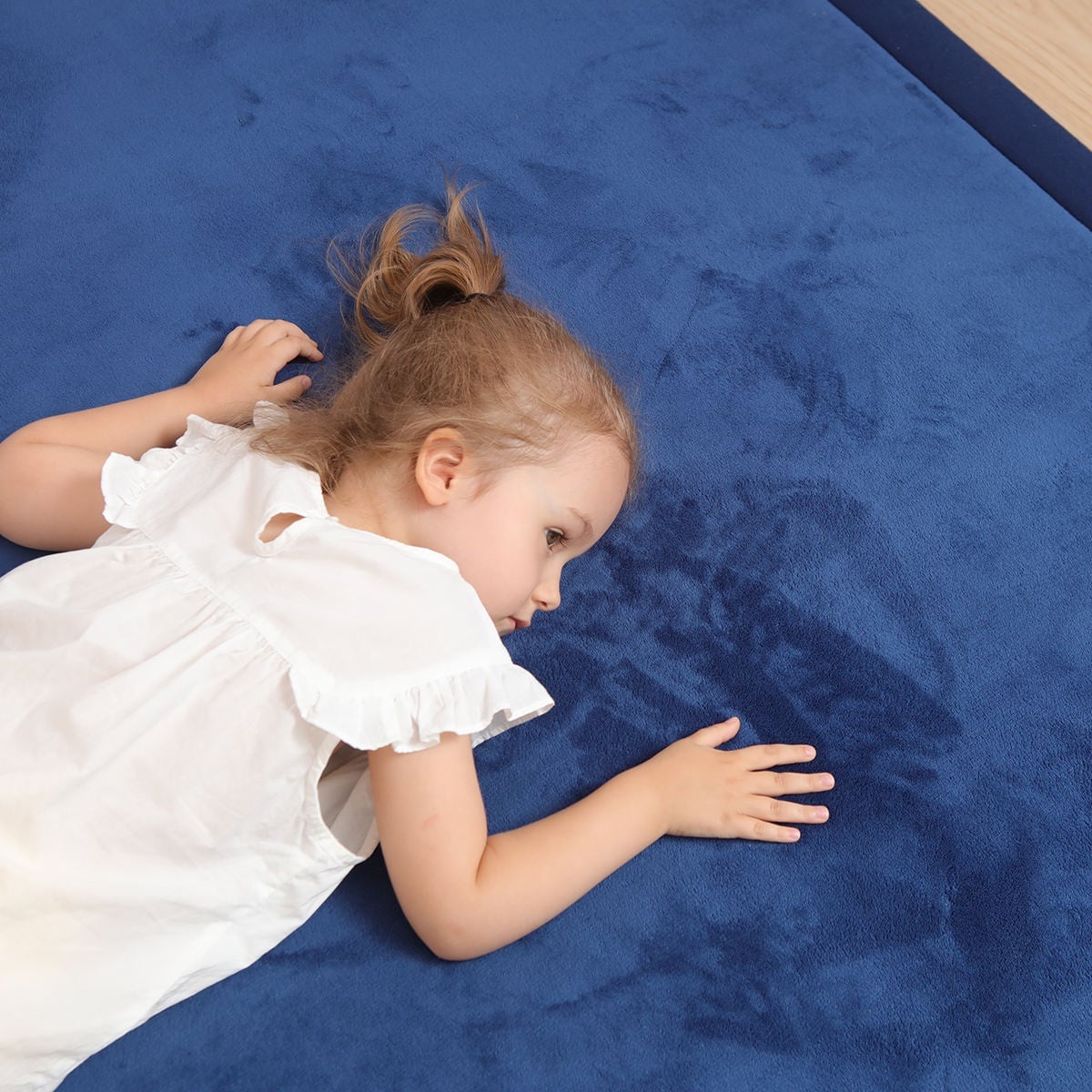
Parents often overlook the technical specifications of a foam play mat, focusing only on color or price. However, thickness, material composition, and cushioning properties directly impact your child's comfort and safety during active play. Understanding these factors ensures your investment protects your child's joints, spine, and developing body while providing years of reliable use.
The quality of foam used in a play mat determines how long it will maintain its cushioning properties and support. High-density foam resists compression and maintains its shape through years of jumping, crawling, and rolling. Look for mats made with closed-cell foam or EVA foam, which offer superior durability and resistance to moisture absorption. A foam play mat should have a density rating that indicates it will bounce back after repeated use, not flatten permanently or develop indentations where your child plays most frequently.
Your child's safety depends on choosing a foam play mat made from non-toxic materials that meet established safety standards. Reputable mats carry certifications from organizations like CPSIA, EN71, or similar regulatory bodies that verify the foam contains no harmful chemicals, heavy metals, or off-gassing substances. When evaluating foam play mat options, always request documentation of safety testing and avoid products with strong chemical odors, which indicate inadequate manufacturing processes or low-quality materials.
Thickness directly correlates with the level of impact protection your foam play mat provides. For infants and toddlers, thicker is generally safer—mats between 1.5 and 2 inches offer excellent cushioning for developmental movements and falls from standing height. A foam play mat for older children performing athletic activities may require thicker construction, while budget-conscious parents might find 1-inch mats adequate for light play. Consider your child's age, activity level, and the surfaces beneath the mat when deciding on optimal thickness.
The top surface layer of your foam play mat should feel soft and inviting to children while remaining durable enough for daily wear. Many quality mats feature a fabric covering made from microfiber, velvet, or breathable textiles that enhance comfort and provide sensory appeal. Running your hand across the mat should feel smooth, not rough or scratchy, as a high-quality foam play mat balances texture with durability for long-term satisfaction and child engagement.
Choosing the right size foam play mat requires assessing your available space and your child's play needs. Standard mats range from small 3x3 foot options for apartments to large 6x8 foot configurations for dedicated playrooms. Measure your intended space before purchasing, accounting for furniture placement and ensuring the foam play mat doesn't create tripping hazards or block doorways. Many parents choose modular mats that connect together, allowing flexibility as their child grows or as space requirements change.
A practical foam play mat should be easy to clean, store, and transport if needed for travel or relocation. Look for mats with removable, washable covers that resist stains and odors from spills, accidents, or everyday use. The mat should roll or fold compactly for storage without permanent creasing, and the construction should withstand repeated folding without degradation. Some families prioritize portability for a foam play mat they can move between rooms or take to grandparents' houses, making lightweight yet durable construction essential.
Toddlers benefit most from a foam play mat with 1.5 to 2 inches of thickness. This range provides adequate cushioning to protect developing joints during falls and active movement while maintaining sufficient firmness for balance and coordination development. Thinner mats may not offer adequate fall protection, while excessively thick mats can destabilize balance development.
Check for safety certifications from recognized bodies such as CPSIA, EN71, or ASTM standards printed on the product or packaging. Request a safety data sheet (SDS) from the manufacturer, which documents testing results and material composition. Avoid foam play mat products with strong chemical smells or vague descriptions of materials, as these indicate potential toxic substances or poor quality construction.
Yes, quality foam play mats work effectively on hard floors, though adding an anti-slip underlay increases safety and prevents the mat from shifting during active play. An anti-slip layer also provides additional insulation, keeping the foam play mat from feeling cold and improving comfort. Ensure any underlayment is also non-toxic and securely attached to prevent creating trip hazards.

2026/11/02
Struggling to choose the right living room rugs? Avoid costly mistakes with expert insights on size, material, durability, style & care. Get your perfect rug.

2026/11/03
Worried about infant falls during crawling? Discover how cushioned baby play mats absorb impact, and support motor development. Get expert safety tips now.

2026/11/04
Struggling with messy spills and tummy time needs? Discover waterproof, sensory, and tummy-time-optimized play mat surface. Compare materials now.

2026/11/05
Can a kids play mat reduce noise? Discover how thickness, foam density & full coverage deliver real acoustic relief. Get the guide.

2026/11/06
Why do kids slip on tile, laminate & polished wood? Discover how premium non-slip play mats anchor securely AND absorb impact. Boost safety.

2026/11/09
Tired of scrubbing stains and battling odors? Discover the 5 key kids play mat features—waterproof surfaces, washable covers, non-slip grip. See what makes maintenance effortless.

