 EN

What Should Buyers Know Before Ordering Living Room Rugs?
2026/11/02
Struggling to choose the right living room rugs? Avoid costly mistakes with expert insights on size, material, durability, style & care. Get your perfect rug.
A play mat serves as a foundational element in early childhood development, creating a dedicated space where children can explore, learn, and grow safely. Beyond simple flooring, a well-designed play mat establishes a protective boundary that encourages independent movement while giving parents peace of mind. The right play mat transforms any room into a structured learning zone where daily activities unfold naturally, supporting motor skill development, cognitive growth, and creative expression throughout the child's formative years.
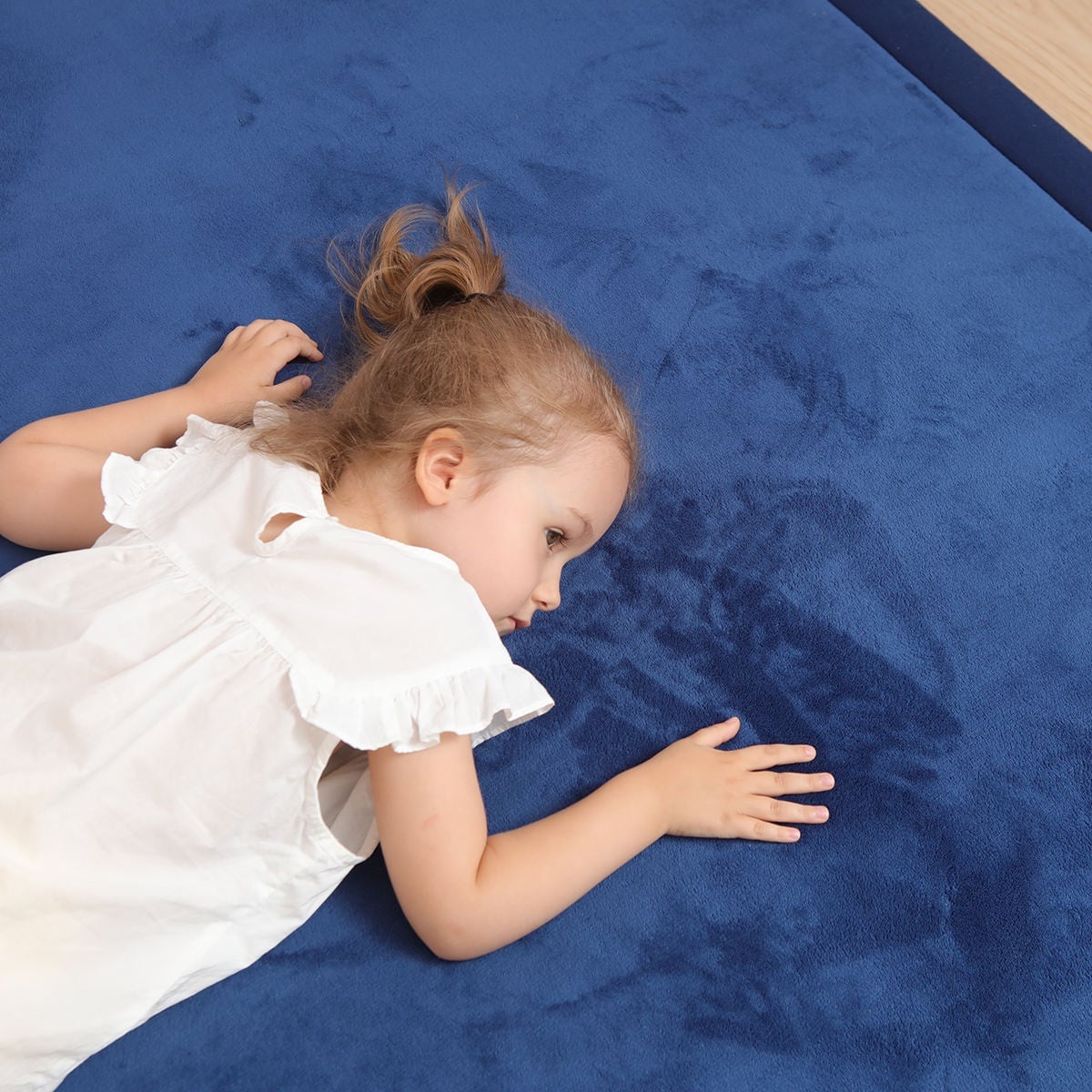
The value of a quality play mat extends far beyond aesthetic appeal. It creates a designated activity zone that helps children understand boundaries, develop focus, and engage in purposeful play. When children know their play mat is their personal activity space, they build confidence and independence. This psychological anchoring helps toddlers and preschoolers regulate their behavior, understand transitions between activities, and develop healthy play habits that support overall well-being and learning.
One of the most critical functions of a play mat is providing protective cushioning during active play. As children learn to crawl, stand, and explore their environment, falls and tumbles are inevitable developmental milestones. A thick, high-density foam play mat absorbs impact and significantly reduces the risk of serious injury from accidental collisions. This cushioning layer allows children to move confidently, exploring their physical capabilities without fear. The comfort provided by quality foam also encourages longer play sessions, allowing children to spend more time engaged in developmental activities that build strength and coordination.
Play mats maintain comfortable temperatures for extended play sessions, preventing the cold shock that tile or hardwood floors can cause. This comfort factor is particularly important during floor-based activities like tummy time for infants or sitting activities for toddlers. A well-designed play mat provides an inviting surface that children naturally gravitate toward, making it easier for caregivers to maintain structured play routines. The textile quality of premium play mats ensures durability while remaining soft to delicate skin, making prolonged contact safe and comfortable throughout daily activities.
A designated play mat space directly supports the development of both gross and fine motor skills. When infants practice tummy time on a play mat, they strengthen neck, shoulder, and core muscles essential for later crawling and walking. As children grow, the defined boundaries of a play mat encourage controlled movement patterns, balance, and coordination. Toddlers develop spatial awareness by understanding the edges of their play zone, and preschoolers refine fine motor skills through table-based activities and floor toys arranged on their mat. This structured environment accelerates natural developmental progression by providing optimal conditions for physical practice and exploration.
The psychological impact of a dedicated play mat on cognitive development cannot be overstated. Research shows that children with defined activity spaces demonstrate improved focus, longer attention spans, and deeper engagement with toys and educational materials. A play mat transforms scattered toys into an organized learning environment, helping children categorize, sort, and problem-solve more effectively. This dedicated space also facilitates imaginative play scenarios, as children understand that their mat is a stage for creative expression. The containment provided by a quality play mat supports developing executive function skills, including planning, impulse control, and task completion.
A play mat creates a clean, controlled surface that parents can easily sanitize and maintain, protecting children from exposure to dust, allergens, and pathogens commonly found on household floors. Quality mats with skin-friendly materials and smooth surfaces resist bacterial growth and can be wiped clean daily or washed thoroughly when needed. This hygienic boundary is especially important for infants during the critical window when immune systems are developing. By containing play activities to a designated area, parents reduce exposure to hidden floor contaminants and can maintain healthier indoor environments for vulnerable young children engaged in daily activities.
Beyond health benefits, a play mat provides organizational structure that makes daily caregiving more manageable. Toys, activity materials, and learning tools confined to the mat are easy to locate, supervise, and manage. This organizational clarity reduces stress for parents and caregivers while creating predictable routines that children recognize and respond to positively. The defined space makes cleanup faster and teaches children organizational skills through regular tidying of their designated zone. Over time, this routine builds responsibility and helps children understand cause and effect relationships between using their play mat and maintaining family spaces.
Infants from birth through preschool years benefit significantly from a play mat, with each developmental stage gaining unique advantages. Newborns use mats during supervised tummy time to build foundational strength. Crawlers benefit from padded protection during mobility development, while toddlers and preschoolers use mats as organized activity spaces that support learning and play. The transition to elementary school marks a natural point where traditional play mats may be replaced with other activity systems, though quality mats remain valuable for younger siblings.
A play mat provides significantly superior protection compared to tile, hardwood, or concrete flooring through its cushioning properties that absorb impact during falls. While regular flooring offers easy cleaning benefits, the risk of injury from accidental falls is substantially higher. A quality play mat balances safety protection with cleanliness through materials that resist staining and support regular sanitization, making it the optimal choice for active young children whose physical development requires frequent exploration and movement.
Parents should evaluate play mats based on thickness for adequate cushioning, material quality for skin safety, ease of cleaning for hygiene maintenance, and size appropriate for available space. Non-toxic, hypoallergenic materials are essential for children with sensitive skin. The mat should have secure edges to prevent tripping and a textured or non-slip surface for stability. Considering whether the mat will serve infants through preschool or a specific age range helps determine the right investment in supporting children's daily activities throughout their developmental journey.

2026/11/02
Struggling to choose the right living room rugs? Avoid costly mistakes with expert insights on size, material, durability, style & care. Get your perfect rug.

2026/11/03
Worried about infant falls during crawling? Discover how cushioned baby play mats absorb impact, and support motor development. Get expert safety tips now.

2026/11/04
Struggling with messy spills and tummy time needs? Discover waterproof, sensory, and tummy-time-optimized play mat surface. Compare materials now.

2026/11/05
Can a kids play mat reduce noise? Discover how thickness, foam density & full coverage deliver real acoustic relief. Get the guide.

2026/11/06
Why do kids slip on tile, laminate & polished wood? Discover how premium non-slip play mats anchor securely AND absorb impact. Boost safety.

2026/11/09
Tired of scrubbing stains and battling odors? Discover the 5 key kids play mat features—waterproof surfaces, washable covers, non-slip grip. See what makes maintenance effortless.

