 EN

What Should Buyers Know Before Ordering Living Room Rugs?
2026/11/02
Struggling to choose the right living room rugs? Avoid costly mistakes with expert insights on size, material, durability, style & care. Get your perfect rug.
A play mat serves as a foundational element in creating a safe, comfortable, and developmentally enriching indoor play environment for children. Whether you have a toddler taking first steps or an older child engaging in structured activities, a quality play mat transforms ordinary spaces into purposeful play zones that support both physical safety and cognitive growth. Understanding how a play mat improves indoor experiences helps parents, caregivers, and educators make informed decisions about child spaces.
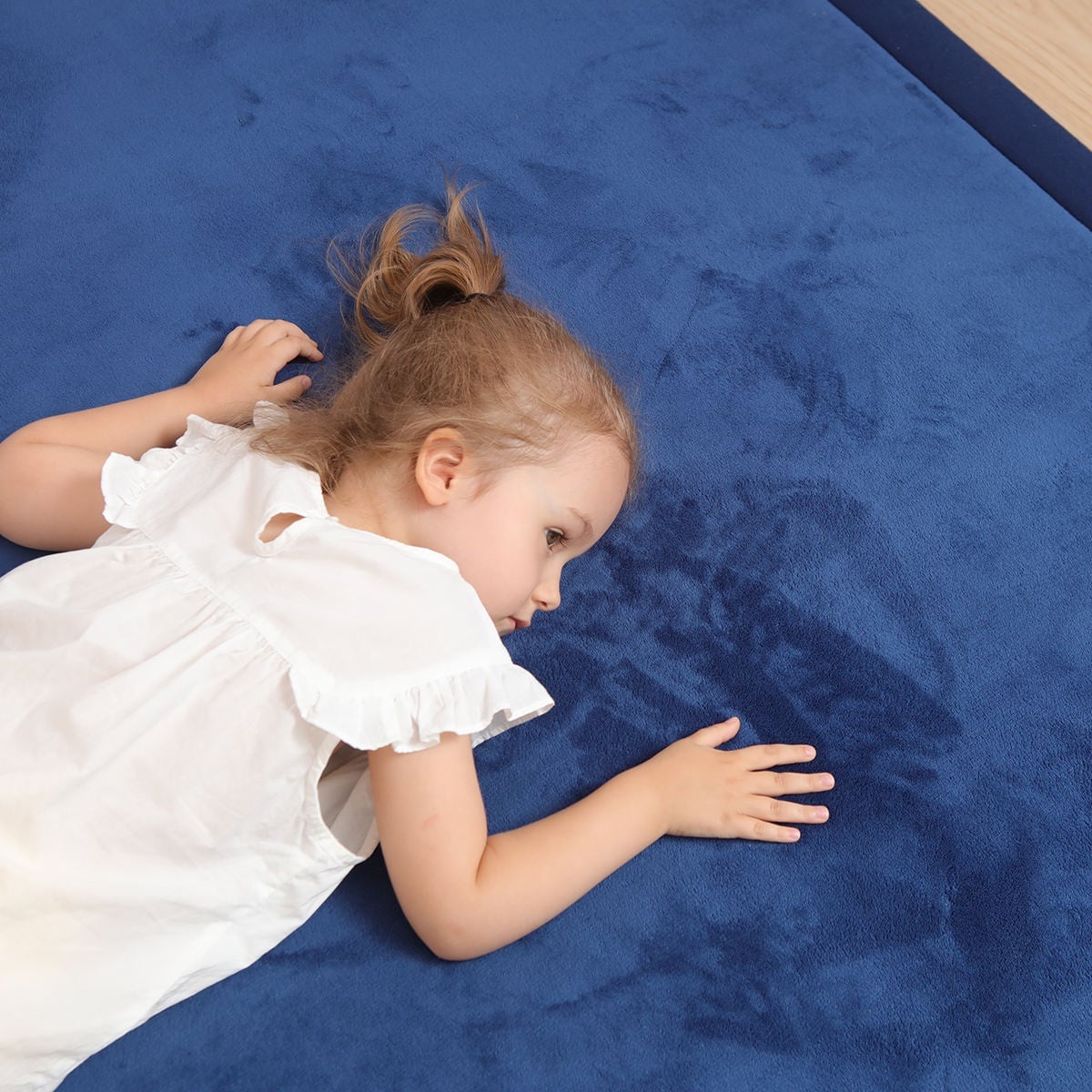
The impact of a play mat extends far beyond basic cushioning. It creates defined boundaries for play activities, reduces noise transmission to lower levels, protects flooring from wear and spills, and establishes a psychological anchor that signals playtime to children. A well-chosen play mat becomes an investment in both immediate comfort and long-term child development outcomes.
One of the most critical functions of a play mat is its ability to absorb impact during falls and active movement. Children naturally explore their physical boundaries through climbing, jumping, and tumbling. A play mat reduces the risk of serious injuries by providing a cushioned surface that dissipates force. The thickness and material density of a quality play mat determine how effectively it protects during these inevitable moments. Foam-based play mats offer superior shock absorption compared to thin fabrics or hard flooring, creating a safer environment for developmental motor activities.
The protective benefit extends to crawling infants and toddlers who spend significant time on ground level. A play mat prevents direct contact with cold, hard floors while reducing bumps and bruises as children master balance and coordination. This safety layer encourages confidence and independence during critical developmental phases.
A play mat physically delineates a designated play zone, which provides both practical and psychological benefits. Children understand that the play mat is their activity space, creating a sense of structure and purpose. This boundary definition helps contain toys, activities, and movement within a managed area, reducing hazards elsewhere in the room. For parents managing multiple children or limited space, a play mat clarifies where active play is welcome and keeps play-related mess consolidated.
The visual and tactile distinction of a play mat also signals transition and context to children. Moving onto the play mat becomes part of the play ritual, helping children shift their mental state toward learning and exploration mode.
A play mat provides an ideal surface for practicing both gross and fine motor skills. The cushioned support of a quality play mat allows toddlers to practice sitting, standing, and walking with reduced injury risk. For older children, the defined space encourages crawling patterns, rolling, balancing activities, and movement games that build core strength and coordination. The texture and surface properties of a play mat can also engage sensory development, particularly when materials incorporate varied textures or skin-friendly fabrics like coral velvet.
Fine motor activities such as building with blocks, drawing, or manipulating small objects benefit from the stable, comfortable platform that a play mat creates. The elevated edge and cushioning reduce physical strain and allow children to focus mental energy on task mastery rather than discomfort.
When children are physically comfortable and safe on a play mat, they remain engaged longer in learning activities. Extended play duration directly correlates with deeper cognitive processing, skill consolidation, and creative thinking. A play mat removes physical barriers to engagement—cold floors, hard surfaces, and environmental distractions—allowing children to immerse themselves in play-based learning. Teachers and parents consistently observe that children stay focused longer on structured activities when conducted on a dedicated play mat versus hard flooring.
The comfort factor also reduces behavioral disruption caused by physical discomfort. When children aren't distracted by cold surfaces or aching knees, they channel energy into exploration and social interaction rather than restlessness.
In multi-story homes or shared spaces, a play mat significantly reduces noise transmission from jumping, running, and dropped toys. The acoustic absorption properties of foam-based play mats dampen impact sounds, creating a more peaceful environment for other household members or neighbors. This practical benefit extends the acceptable hours and contexts where vigorous indoor play can occur. From a property perspective, a quality play mat protects underlying flooring from wear patterns, spills, and indentation that occur with regular play activity. This protection is particularly valuable for rental properties or homes with newly installed flooring.
Modern play mats, especially those with skin-friendly materials like coral velvet, are designed for easy cleaning and sanitization. The contained play surface makes cleanup simpler compared to open flooring, and the smooth top layer resists dirt accumulation. For educational settings where multiple children use the same space, a cleanable play mat provides a hygienic solution that standard floors cannot match. The ability to quickly wipe or wash a play mat contributes to healthier indoor environments and reduces disease transmission risk in early childhood settings.
The functional versatility of a play mat also streamlines organization. Instead of spreading activities across multiple room areas, having a dedicated play mat creates a consolidated hub that simplifies setup, supervision, and cleanup routines.
A play mat thickness between one-half inch and one inch generally provides adequate cushioning for most indoor play activities. Thicker mats offer superior impact absorption for toddlers and active movement, while thinner options work for quieter activities. The ideal thickness depends on the play mat's intended use, the child's age and activity level, and the underlying floor type. Denser foam materials may provide effective protection at lesser thicknesses compared to lighter materials.
Yes, a quality play mat is highly versatile and works in living rooms, bedrooms, playrooms, and even outdoor covered spaces. The portable nature of most play mats allows easy relocation as family needs change. Many families use a play mat in multiple settings throughout the day, adjusting placement based on the current play activity or supervision location. Some parents keep a play mat rolled up for travel, creating familiar safe play zones in unfamiliar environments.
Children with sensory processing differences often experience discomfort on hard, cold, or overstimulating surfaces. A play mat with soft, skin-friendly materials provides sensory comfort that encourages participation and reduces anxiety related to environmental texture. The defined boundaries of a play mat also support children who need clear spatial organization and predictable environments. For many children with sensory profiles that benefit from specific material properties, selecting a play mat with appropriate textures becomes part of creating an accessible play space.

2026/11/02
Struggling to choose the right living room rugs? Avoid costly mistakes with expert insights on size, material, durability, style & care. Get your perfect rug.

2026/11/03
Worried about infant falls during crawling? Discover how cushioned baby play mats absorb impact, and support motor development. Get expert safety tips now.

2026/11/04
Struggling with messy spills and tummy time needs? Discover waterproof, sensory, and tummy-time-optimized play mat surface. Compare materials now.

2026/11/05
Can a kids play mat reduce noise? Discover how thickness, foam density & full coverage deliver real acoustic relief. Get the guide.

2026/11/06
Why do kids slip on tile, laminate & polished wood? Discover how premium non-slip play mats anchor securely AND absorb impact. Boost safety.

2026/11/09
Tired of scrubbing stains and battling odors? Discover the 5 key kids play mat features—waterproof surfaces, washable covers, non-slip grip. See what makes maintenance effortless.

