 EN

What Should Buyers Know Before Ordering Living Room Rugs?
2026/11/02
Struggling to choose the right living room rugs? Avoid costly mistakes with expert insights on size, material, durability, style & care. Get your perfect rug.
Floor comfort is often overlooked in home and workspace design, yet it significantly impacts daily well-being, productivity, and physical health. Whether you spend hours standing in a kitchen, working at a desk, or playing with children on the floor, the surface beneath your feet matters tremendously. A memory foam mat addresses this fundamental need by transforming hard, unforgiving floors into supportive, cushioned surfaces that reduce strain and fatigue while promoting comfort throughout the day.
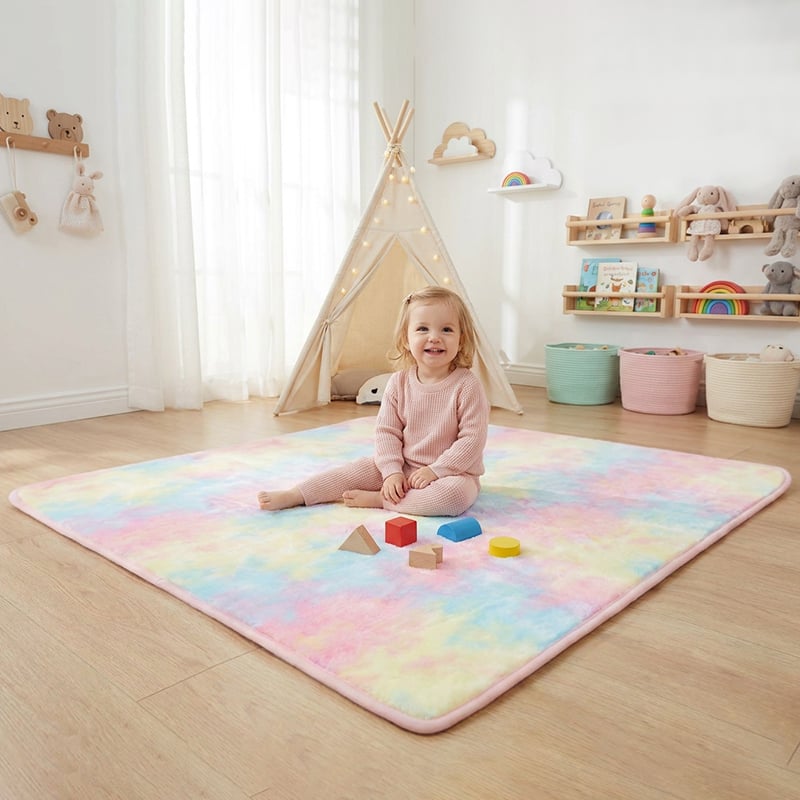
Understanding how a memory foam mat delivers superior floor comfort requires exploring the science behind the material, the biomechanical benefits it provides, and the practical advantages it offers across different environments. This guide examines the mechanisms that make memory foam mats effective comfort solutions and demonstrates why they have become increasingly popular for both residential and commercial applications seeking enhanced flooring experiences.
Memory foam is a specialized polyurethane material engineered to respond to body heat and weight distribution. When you stand on a memory foam mat, the foam gradually softens and conforms to the unique contours of your feet, legs, and lower back, creating a customized support layer. Unlike conventional foam or rubber mats that compress uniformly, memory foam actively adapts to your body's pressure points, distributing weight more evenly across the entire surface. This adaptive response significantly reduces localized pressure concentrations that typically cause foot soreness, arch strain, and lower leg fatigue.
A memory foam mat excels at absorbing shock and impact energy that would otherwise transfer directly to your joints and spine. Each step on a hard floor creates micro-vibrations that travel up through the skeletal system; a quality memory foam mat dampens these vibrations substantially. The viscoelastic properties of memory foam allow it to compress slowly during impact and gradually return to its original shape, creating a gentle, cushioned experience. This impact reduction is particularly beneficial in kitchens, standing work areas, and play spaces where repetitive movement and prolonged standing are common activities.
Prolonged standing on hard floors accelerates muscle fatigue in the feet, calves, and lower back due to constant tension in stabilizer muscles. A memory foam mat reduces this muscular strain by providing consistent support that minimizes compensatory posture adjustments. Users typically report noticeably decreased foot soreness and lower leg fatigue after using a memory foam mat regularly, especially during extended periods of standing. The cushioning effect also improves blood circulation in the feet, reducing numbness and promoting overall lower body comfort. For individuals with plantar fasciitis, flat feet, or general standing-related discomfort, a memory foam mat offers meaningful relief.
Hard floors encourage poor posture as your body unconsciously adjusts to minimize discomfort, often resulting in forward head posture, rounded shoulders, and increased lower back strain. A supportive memory foam mat encourages more neutral spinal alignment by providing stable, even weight distribution across your foundation. This postural improvement reduces compensatory stress on the lumbar spine, neck, and shoulders. Office workers, home cooks, and anyone standing for extended periods benefit from these ergonomic advantages. Better postural alignment also translates to improved breathing, reduced muscle tension, and decreased risk of chronic pain conditions associated with prolonged standing.
A memory foam mat adapts to various residential and commercial settings where floor comfort becomes critical. In kitchens, the mat reduces fatigue during meal preparation and cooking tasks that often require extended standing. Home offices benefit from improved comfort during long work sessions, promoting focus and reducing mid-day fatigue. Play areas for children gain from the dual benefits of cushioning comfort and safety impact protection. Retail environments, fitness studios, and industrial work areas also utilize memory foam mats to support worker well-being and productivity. The versatility of memory foam mat solutions means they serve functional purposes across diverse applications.
Quality memory foam mats are engineered for durability, resisting compression set and maintaining their supportive properties over extended use periods. Unlike foam that deteriorates quickly or rubber that becomes hard and brittle, memory foam retains its responsive characteristics for years. Maintenance is straightforward; regular vacuuming and occasional spot cleaning keep the mat in optimal condition. The long-term cost effectiveness of a memory foam mat becomes apparent when compared to frequent replacements of lower-quality flooring solutions or the indirect costs of reduced productivity and increased physical discomfort. Investing in a durable memory foam mat represents a practical, economical approach to sustained floor comfort improvement.
Yes, a memory foam mat can significantly reduce pain and fatigue from prolonged standing by cushioning pressure points, absorbing impact, and promoting better posture alignment. The adaptive support reduces strain on feet, joints, and the lower spine. Many office and retail workers report noticeable pain reduction within days of using a quality memory foam mat, though individual results vary based on existing conditions and mat thickness.
A well-made memory foam mat generally maintains its supportive qualities for three to seven years with normal use and proper care. The lifespan depends on mat thickness, foam density, usage intensity, and maintenance practices. Thicker, higher-density memory foam mats tend to retain their properties longer than thinner alternatives. Regular cleaning and avoiding extreme heat exposure help extend the mat's functional lifespan.
Many memory foam mats are designed with moisture-resistant coatings and non-slip backing suitable for kitchen environments. Closed-cell memory foam resists water absorption better than open-cell varieties. Prompt cleanup of spills and regular drying prevent moisture accumulation. Kitchen-specific memory foam mats with enhanced water resistance and antimicrobial treatments offer excellent durability and comfort in wet environments while maintaining hygienic standards.

2026/11/02
Struggling to choose the right living room rugs? Avoid costly mistakes with expert insights on size, material, durability, style & care. Get your perfect rug.

2026/11/03
Worried about infant falls during crawling? Discover how cushioned baby play mats absorb impact, and support motor development. Get expert safety tips now.

2026/11/04
Struggling with messy spills and tummy time needs? Discover waterproof, sensory, and tummy-time-optimized play mat surface. Compare materials now.

2026/11/05
Can a kids play mat reduce noise? Discover how thickness, foam density & full coverage deliver real acoustic relief. Get the guide.

2026/11/06
Why do kids slip on tile, laminate & polished wood? Discover how premium non-slip play mats anchor securely AND absorb impact. Boost safety.

2026/11/09
Tired of scrubbing stains and battling odors? Discover the 5 key kids play mat features—waterproof surfaces, washable covers, non-slip grip. See what makes maintenance effortless.

