 EN

What Should Buyers Know Before Ordering Living Room Rugs?
2026/11/02
Struggling to choose the right living room rugs? Avoid costly mistakes with expert insights on size, material, durability, style & care. Get your perfect rug.
Active play is essential for children's physical development, but the risk of falls and impacts during playtime remains a constant concern for parents and caregivers. A foam play mat serves as a critical protective barrier between your child and hard flooring surfaces, significantly reducing injury risk during everyday activities. Whether indoors or outdoors, quality foam play mats are engineered to absorb shock, prevent slips, and create a safer environment where children can explore and develop freely.
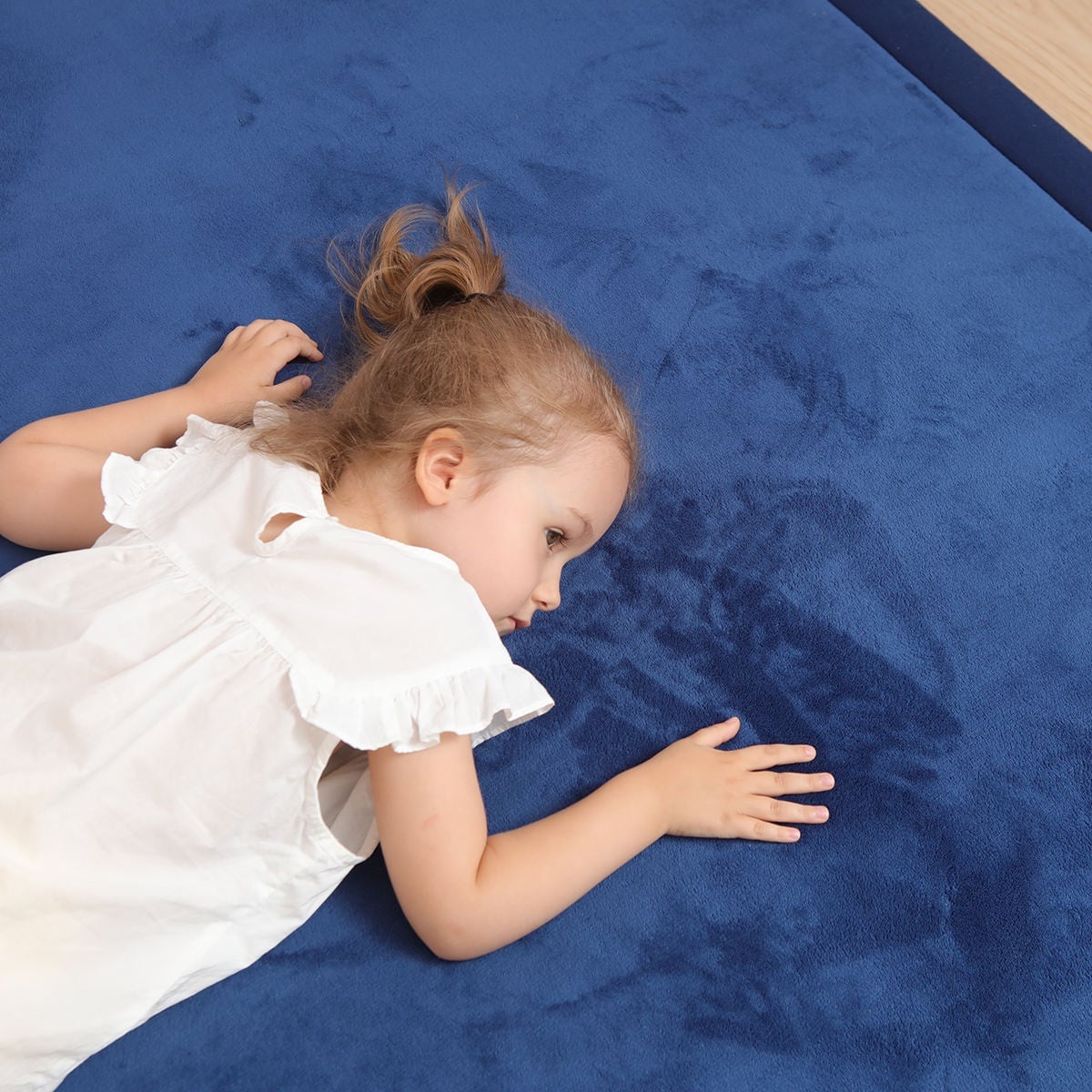
Understanding how a foam play mat protects children requires looking beyond basic cushioning. Modern foam play mats combine material science, ergonomic design, and safety engineering to address multiple hazards children face during active play. The protective capabilities extend from initial impact absorption through long-term surface durability, making these mats an investment in both immediate safety and sustained injury prevention.
The protective power of a foam play mat begins with its cellular structure. Quality foam contains thousands of micro-cells that compress upon impact, effectively slowing the deceleration of a falling child's body. This gradual energy dissipation reduces the peak force transmitted to joints, bones, and internal organs. When a child falls from standing height onto hard tile or concrete, the impact force concentrates in a narrow window of time, creating potential injury. A foam play mat stretches this impact duration, distributing forces across a wider timeframe and broader surface area, fundamentally changing how the body experiences the fall.
The protective effectiveness of any foam play mat directly correlates with material thickness. Thicker foam mats provide superior shock absorption because they offer more compression depth before the underlying hard surface becomes a factor. A foam play mat measuring one-quarter inch offers minimal protection, while mats ranging from one-half inch to two inches provide substantially better impact cushioning. Manufacturers select foam play mat thickness based on expected fall heights and play intensity levels, ensuring that protection scales appropriately with risk exposure.
Beyond absorbing impacts that do occur, a protective foam play mat actively prevents many falls before they happen. Advanced foam play mat surfaces incorporate textured layers that increase friction between children's socks, shoes, and the mat itself. This grip enhancement reduces uncontrolled sliding, particularly during games involving quick directional changes or indoor activities on otherwise slippery flooring. The foam play mat's stable surface acts as an intermediate zone between bare floors and the child's footwear, creating predictable traction that younger children and those developing coordination skills particularly benefit from experiencing.
The underside of a quality foam play mat features equally important safety engineering. Rubber or non-slip coating on the bottom prevents the entire mat from shifting during active use, which could create tripping hazards or unexpected movements. When a foam play mat stays securely positioned, children can play with confidence, knowing their surface remains stable. This stability prevents secondary accidents where children might fall while attempting to steady themselves against a shifting foam play mat. The anti-slip base transforms a foam play mat from a simple cushioning layer into a complete fall prevention system.
A foam play mat provides protection extending beyond physical injury prevention into health and hygiene domains. Quality foam play mat materials include non-porous surfaces or protective coatings that prevent liquid absorption, effectively creating a barrier against bacteria, dust mites, and allergens. Children spend significant time in direct contact with play surfaces, making this protective layer particularly important. A foam play mat that repels moisture and resists microbial growth maintains a cleaner environment than bare flooring, reducing exposure to environmental contaminants during crucial developmental years.
The protective nature of a foam play mat also involves what it does not contain. Superior foam play mat products avoid harmful chemicals like phthalates, BPA, and formaldehyde, which pose respiratory and developmental risks during prolonged contact. When manufacturers design a protective foam play mat, they consider not only physical safety but also chemical safety, ensuring that the mat's protective properties do not introduce new health hazards. Certification from safety organizations indicates that a foam play mat has undergone rigorous testing to confirm its protective qualities extend to chemical composition.
For toddlers aged one to three years, a foam play mat measuring one-half inch to one inch thick offers appropriate protection for typical falls from standing or crawling height. This thickness level effectively absorbs impact while remaining stable enough for developing walkers to navigate safely. Parents should select based on their specific flooring type and their child's activity intensity, with harder underlying surfaces warranting the thicker foam play mat options.
Hardwood flooring provides essentially no impact absorption, meaning all force from a fall transmits directly to a child's body. A foam play mat reduces impact forces by fifty to seventy percent depending on material quality and thickness, representing a substantial safety improvement. This difference becomes particularly significant during early childhood when skeletal development is ongoing and fracture risk is higher, making a foam play mat a substantial upgrade over bare hardwood floors.
Outdoor-rated foam play mats specifically engineered for exterior use can indeed reduce outdoor injury risk, particularly in sandbox areas, beneath play structures, or on concrete patios. These outdoor foam play mat variants resist UV degradation and moisture damage while maintaining protective qualities. However, outdoor foam play mat effectiveness depends on proper installation and ground preparation, as an unstable base can undermine the mat's protective benefits.

2026/11/02
Struggling to choose the right living room rugs? Avoid costly mistakes with expert insights on size, material, durability, style & care. Get your perfect rug.

2026/11/03
Worried about infant falls during crawling? Discover how cushioned baby play mats absorb impact, and support motor development. Get expert safety tips now.

2026/11/04
Struggling with messy spills and tummy time needs? Discover waterproof, sensory, and tummy-time-optimized play mat surface. Compare materials now.

2026/11/05
Can a kids play mat reduce noise? Discover how thickness, foam density & full coverage deliver real acoustic relief. Get the guide.

2026/11/06
Why do kids slip on tile, laminate & polished wood? Discover how premium non-slip play mats anchor securely AND absorb impact. Boost safety.

2026/11/09
Tired of scrubbing stains and battling odors? Discover the 5 key kids play mat features—waterproof surfaces, washable covers, non-slip grip. See what makes maintenance effortless.

