 EN

What Should Buyers Know Before Ordering Living Room Rugs?
2026/11/02
Struggling to choose the right living room rugs? Avoid costly mistakes with expert insights on size, material, durability, style & care. Get your perfect rug.
Daily stress accumulates in your body through tension, poor posture, and mental fatigue. An acupressure mat offers a simple yet effective solution to counteract these effects by delivering targeted pressure therapy directly to areas where tension settles most. Understanding how this tool works reveals why it has become a cornerstone of modern relaxation practices for professionals and wellness-focused individuals.
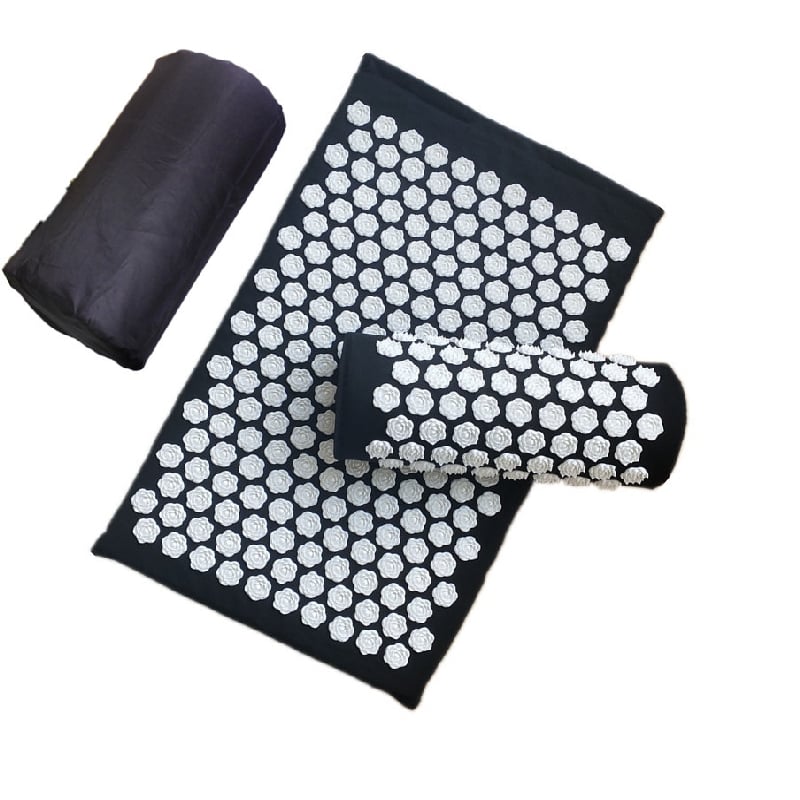
The mechanism behind acupressure therapy draws from ancient healing traditions adapted for modern use. When you lie on an acupressure mat, thousands of small plastic nodules create precise pressure points across your back, neck, and other body areas. This pressure stimulates blood circulation, releases endorphins, and activates your parasympathetic nervous system—the body's natural relaxation response. Regular use integrates seamlessly into evening routines, lunch breaks, or dedicated wellness sessions.
An acupressure mat works by mimicking manual acupressure techniques performed by trained practitioners. The nodules on the mat surface contact specific pressure points on your skin, triggering a cascade of physiological responses. Within minutes of lying on the mat, your body begins shifting from a sympathetic state—characterized by stress hormones like cortisol—toward a parasympathetic state marked by relaxation and recovery. This transition reduces heart rate, lowers blood pressure, and eases muscle tension throughout your system.
The beauty of using an acupressure mat daily lies in its consistency and accessibility. Unlike sporadic visits to massage therapists, regular acupressure mat sessions create cumulative benefits that compound over weeks and months. Your nervous system gradually becomes more responsive to relaxation signals, making it easier to shift into calm states even outside dedicated sessions. Many users report falling asleep faster, experiencing deeper sleep quality, and waking with reduced morning stiffness.
When the acupressure mat stimulates pressure points, your body releases endorphins—natural neurochemicals that function as the body's own pain relievers and mood elevators. This endorphin release explains why users often feel euphoric or deeply relaxed after sessions. Beyond immediate comfort, this biochemical response supports long-term pain management by reducing chronic inflammation and muscle guarding patterns. People dealing with tension headaches, lower back discomfort, and shoulder tightness find that consistent acupressure mat use provides measurable relief without pharmaceuticals or invasive interventions.
The most effective acupressure mat practice involves establishing a consistent daily habit. Starting with ten to fifteen minute sessions allows your body to acclimate to the sensation, which can feel intense initially but quickly becomes pleasurable. Morning sessions energize your day by activating circulation and releasing muscle tension accumulated overnight. Evening sessions prepare your body for sleep by triggering parasympathetic activation and calming mental chatter. Many professionals use their acupressure mat during lunch breaks or after work to reset from day-long stress accumulation.
Consistency matters more than duration when building a sustainable acupressure mat practice. Daily fifteen-minute sessions outperform occasional hour-long sessions in producing measurable wellness improvements. This accessible time commitment makes the acupressure mat practical for busy schedules. You can use it while reading, listening to podcasts, or simply breathing deeply. Setting a regular time slot—whether morning, midday, or evening—creates a ritual that your body anticipates, amplifying its relaxation benefits over time.
An acupressure mat becomes exponentially more powerful when integrated with other wellness practices. Combining your session with deep breathing exercises amplifies parasympathetic activation and extends the relaxation window beyond your time on the mat. Gentle stretching before using the acupressure mat prepares muscles for deeper pressure point activation. Herbal tea, meditation, or calming music during and after sessions deepen the psychological and physical relaxation response. Some users create dedicated relaxation spaces—dimly lit, comfortable, temperature-controlled—to maximize their acupressure mat experience.
The synergy between acupressure mat use and lifestyle choices determines your overall relaxation outcomes. Regular acupressure mat practice becomes more effective when supported by adequate hydration, consistent sleep schedules, and stress management practices. Users who combine their acupressure mat routine with journaling, meditation, or yoga report compounded benefits including improved emotional resilience, clearer thinking, and sustained mood elevation. This holistic integration transforms the acupressure mat from a standalone tool into a cornerstone of comprehensive daily wellness.
Office workers face accumulated tension from prolonged sitting, screen time, and mental pressure. An acupressure mat provides targeted relief that desk stretches alone cannot achieve. Even brief sessions break stress cycles that accumulate through workdays, restoring focus and mental clarity. Remote workers gain particular advantage from accessible acupressure mat use, establishing clear boundaries between work and personal time through dedicated relaxation sessions. The portable nature of many acupressure mat designs allows professionals to maintain their practice across different environments.
Productivity research increasingly supports the business case for employee wellness practices like acupressure mat use. Workers who effectively manage stress demonstrate higher engagement, fewer sick days, and improved creative problem-solving. By incorporating consistent acupressure mat sessions, professionals report enhanced emotional regulation, better decision-making, and stronger resilience against burnout. Organizations that encourage or provide access to wellness tools like acupressure mats often see measurable improvements in workplace satisfaction and performance metrics.
Sleep quality directly impacts daily relaxation capacity. An acupressure mat used in evening routines addresses the physiological barriers to quality sleep by releasing accumulated tension and calming an overactive nervous system. Users consistently report falling asleep more easily and experiencing more restorative sleep stages when using their acupressure mat before bedtime. This improved sleep foundation ripples through daily life, enhancing mood regulation, immune function, and overall stress resilience.
The recovery benefits extend beyond sleep quantity to include active recovery during waking hours. Athletes and active individuals use acupressure mats to support muscle recovery between training sessions. The increased circulation stimulated by acupressure mat practice facilitates nutrient delivery and metabolic waste removal, accelerating the body's natural recovery processes. This dual benefit—improved sleep and active recovery—positions the acupressure mat as essential infrastructure for anyone prioritizing physical and mental wellness.
Most users experience noticeable relaxation within the first session, with sensations ranging from pleasurable pressure release to a warm, tingly feeling as blood circulation increases. However, cumulative benefits—including improved sleep, sustained mood elevation, and reduced chronic tension—typically develop over two to four weeks of consistent daily use. Your body adapts progressively to acupressure mat stimulation, making each session more effective as your nervous system becomes more responsive to relaxation signals.
An acupressure mat operates on pressure point principles distinct from general massage tools. Rather than applying broad pressure or vibration, the acupressure mat targets specific meridian points across your body, triggering deeper nervous system responses. This point-specific approach aligns with ancient acupressure theory while delivering measurable physiological changes. The passive nature of acupressure mat use also distinguishes it—you simply lie down and let the mat do the work, making it more accessible than active techniques requiring skill or expense.
Most people tolerate acupressure mats well, though starting with shorter sessions over clothing or thin fabric helps your skin acclimate to the pressure sensation. Those with active skin conditions, recent surgery, or specific medical concerns should consult healthcare providers before beginning acupressure mat practice. Generally, the gentle nature of acupressure mat therapy makes it appropriate for wide age ranges and fitness levels. Beginning conservatively—ten minutes daily—allows you to assess your individual response and adjust duration based on comfort and results.

2026/11/02
Struggling to choose the right living room rugs? Avoid costly mistakes with expert insights on size, material, durability, style & care. Get your perfect rug.

2026/11/03
Worried about infant falls during crawling? Discover how cushioned baby play mats absorb impact, and support motor development. Get expert safety tips now.

2026/11/04
Struggling with messy spills and tummy time needs? Discover waterproof, sensory, and tummy-time-optimized play mat surface. Compare materials now.

2026/11/05
Can a kids play mat reduce noise? Discover how thickness, foam density & full coverage deliver real acoustic relief. Get the guide.

2026/11/06
Why do kids slip on tile, laminate & polished wood? Discover how premium non-slip play mats anchor securely AND absorb impact. Boost safety.

2026/11/09
Tired of scrubbing stains and battling odors? Discover the 5 key kids play mat features—waterproof surfaces, washable covers, non-slip grip. See what makes maintenance effortless.

