 EN

What Should Buyers Know Before Ordering Living Room Rugs?
2026/11/02
Struggling to choose the right living room rugs? Avoid costly mistakes with expert insights on size, material, durability, style & care. Get your perfect rug.
A memory foam mat offers exceptional comfort and support for daily use, whether placed in a kitchen, bedroom, playroom, or exercise space. Over time, dust, spills, and general wear accumulate on the surface, requiring careful cleaning to maintain both hygiene and the mat's structural integrity. Many owners unknowingly damage their mats by using harsh chemicals, excessive water, or aggressive scrubbing methods that break down the foam's protective layers and compromise its cushioning properties.
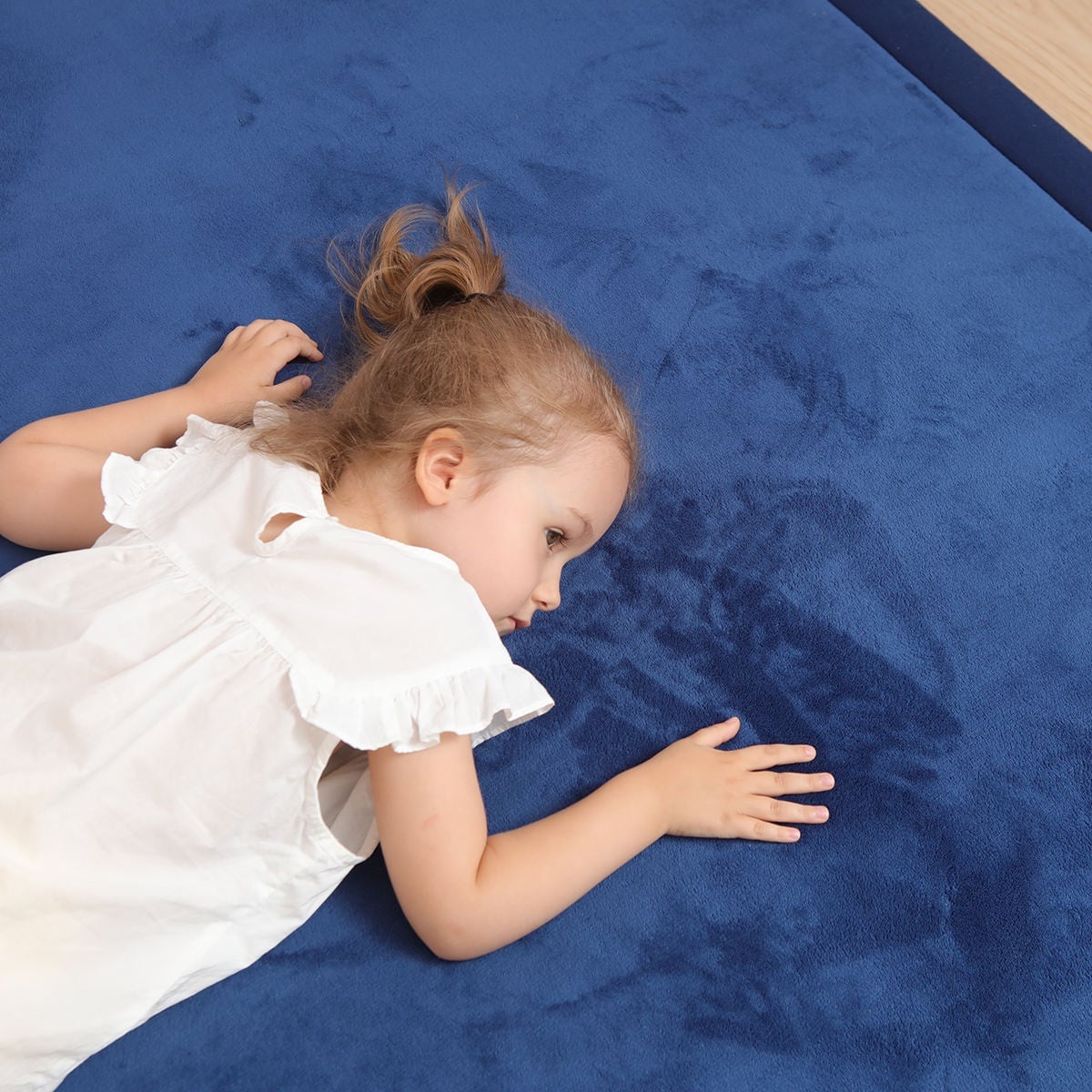
Cleaning a memory foam floor mat without damage requires understanding the material's sensitivity and applying gentle, targeted techniques. This guide walks through proven methods that protect your investment while restoring cleanliness and freshness. Whether dealing with surface dust, minor stains, or deep odors, the right approach preserves the mat's comfort, durability, and appearance for years of reliable use.
Memory foam is a viscoelastic material designed to absorb body weight and return to its original shape slowly. This unique structure makes the foam sensitive to harsh treatment. Excessive water can saturate the foam's cells, leading to mold, mildew, and degradation of the material's support properties. Strong chemical solvents break down the polymer bonds that give memory foam its characteristic responsiveness and durability.
The memory foam thickness and density of your mat determine how quickly it absorbs moisture and how susceptible it is to damage. Thicker memory foam floor mat versions are more resilient but still require cautious cleaning. Lightweight mats with minimal memory foam thickness need even gentler handling to avoid compression damage or permanent deformation of the cushioning structure.
Using a wet vacuum, machine washing, or soaking a memory foam mat in water is the fastest way to ruin it. These methods push water deep into the foam's core, where it becomes trapped and promotes bacterial growth. Bleach, ammonia-based cleaners, and petroleum-based products chemically dissolve foam components, weakening the mat's ability to provide joint cushioning mat performance and comfort.
Scrubbing vigorously with stiff brushes can compress or tear the foam's surface, especially if your anti-fatigue floor mat is used in high-traffic areas. Even wringing out a mat applies dangerous pressure that permanently deforms the foam structure. Understanding these risks helps you choose safer cleaning strategies that maintain your mat's integrity and performance.
Start with the simplest approach: dry cleaning your memory foam mat. Vacuum the surface using an upholstery attachment on low suction to remove dust, pet hair, and surface particles. For a joint cushioning mat in a child's play area or exercise space, this weekly maintenance prevents dirt from accumulating and settling into the foam's texture.
If vacuuming doesn't remove odors or stains, brush the mat gently with a soft-bristled clothes brush or microfiber cloth. Move in one direction to lift dust without pressing down hard. This method works well for memory foam floor mat surfaces that accumulate light soiling. Never use a stiff wire brush, as it can snag and damage the mat's protective cover.
For spills or small stains on your memory foam mat, mix a solution of cool water and a few drops of mild dish soap. Dampen—do not soak—a microfiber cloth with this solution. Gently blot the stained area, working from the outer edges toward the center to prevent the stain from spreading. Avoid rubbing or scrubbing, as this pushes liquid deeper into the foam structure.
After treating the stain, use a clean, damp cloth with plain cool water to remove soap residue from your anti-fatigue floor mat or memory foam floor mat. Blot again gently. The goal is minimal moisture contact. Allow the spot to air dry completely before using the mat, which may take several hours depending on humidity and ventilation in your space.
Baking soda is your safest tool for neutralizing odors in a memory foam mat without introducing excess moisture. Sprinkle a thin, even layer of baking soda across the entire surface. Let it sit for six to eight hours or overnight, allowing the powder to absorb odors. Vacuum thoroughly to remove all baking soda residue, using the upholstery attachment on low suction.
For stubborn odors on your joint cushioning mat, repeat the baking soda treatment. Never use scented powders or heavily perfumed sprays, as these mask odors rather than eliminate them and can leave residue that attracts dirt. White vinegar vapor is also effective: place open bowls of vinegar near the mat overnight with good air circulation, then allow the mat to air in sunlight for several hours to dispel the vinegar smell.
Never use a hair dryer, heat gun, or machine dryer on your memory foam mat. High heat damages the foam's polymer structure and can create hot spots that melt or discolor the material. Instead, air drying is the only safe option. After cleaning, prop the mat in a well-ventilated area with good air circulation, ideally near a window where natural light helps kill bacteria and odors.
If your memory foam floor mat is still damp after several hours, use a clean towel to gently press out excess moisture. Do not wring, twist, or apply pressure that compresses the foam. Allowing the mat to dry horizontally on a clean surface prevents water from pooling in low spots. In humid climates, a fan directed at the mat's surface speeds drying while keeping the mat flat and undisturbed.
Extend your memory foam mat's lifespan through regular maintenance. Vacuum weekly to prevent dust buildup, which accelerates deterioration. Use a mat protector or area rug over high-traffic sections of your anti-fatigue floor mat to reduce direct wear. If storing your memory foam thickness mat, keep it in a cool, dry location away from direct sunlight, moisture, and extreme temperatures that degrade foam quality.
Rotate or flip your joint cushioning mat periodically to distribute wear evenly, especially if used in the same spot daily. This prevents permanent compression in high-stress areas. If your mat is exposed to water regularly—such as near a kitchen sink or bathroom—consider placing it on a moisture barrier or waterproof mat underneath to protect the foam from rising dampness that causes mold growth.
No, steam cleaners introduce excessive moisture and heat that damage the foam's cellular structure and polymer bonds. The combination of hot water and pressure forces liquid deep into the material, promoting mold growth and permanently compromising the memory foam mat's comfort and performance. Stick to dry or minimal-moisture cleaning methods instead.
Only mild dish soap diluted in cool water is safe for spot cleaning a memory foam floor mat. Avoid bleach, ammonia, hydrogen peroxide, vinegar solutions (except as an odor treatment used without direct contact), and any petroleum-based products. These chemicals break down foam components and can cause permanent damage to your anti-fatigue floor mat or joint cushioning mat's structure.
Drying time for a memory foam mat varies based on humidity, temperature, and how much moisture was used during cleaning. With minimal water exposure and good air circulation, most mats dry within six to twelve hours. In humid conditions or after heavier spot cleaning, allow up to twenty-four hours before using the mat. Never force drying with heat, as this risks permanent damage to the foam's memory foam thickness and cushioning properties.

2026/11/02
Struggling to choose the right living room rugs? Avoid costly mistakes with expert insights on size, material, durability, style & care. Get your perfect rug.

2026/11/03
Worried about infant falls during crawling? Discover how cushioned baby play mats absorb impact, and support motor development. Get expert safety tips now.

2026/11/04
Struggling with messy spills and tummy time needs? Discover waterproof, sensory, and tummy-time-optimized play mat surface. Compare materials now.

2026/11/05
Can a kids play mat reduce noise? Discover how thickness, foam density & full coverage deliver real acoustic relief. Get the guide.

2026/11/06
Why do kids slip on tile, laminate & polished wood? Discover how premium non-slip play mats anchor securely AND absorb impact. Boost safety.

2026/11/09
Tired of scrubbing stains and battling odors? Discover the 5 key kids play mat features—waterproof surfaces, washable covers, non-slip grip. See what makes maintenance effortless.

