 EN

What Should Buyers Know Before Ordering Living Room Rugs?
2026/11/02
Struggling to choose the right living room rugs? Avoid costly mistakes with expert insights on size, material, durability, style & care. Get your perfect rug.
Selecting the right nursery rug involves balancing comfort and safety, two priorities that often seem at odds. Parents want their children to enjoy the softness and warmth that a quality rug provides, but stability and durability are equally important in a high-traffic nursery environment. The right nursery rug becomes both a comfort feature and a safety foundation, supporting developmental activities while reducing noise and providing cushioning for inevitable falls. Understanding how these elements work together helps you make an informed decision that serves your family's needs.
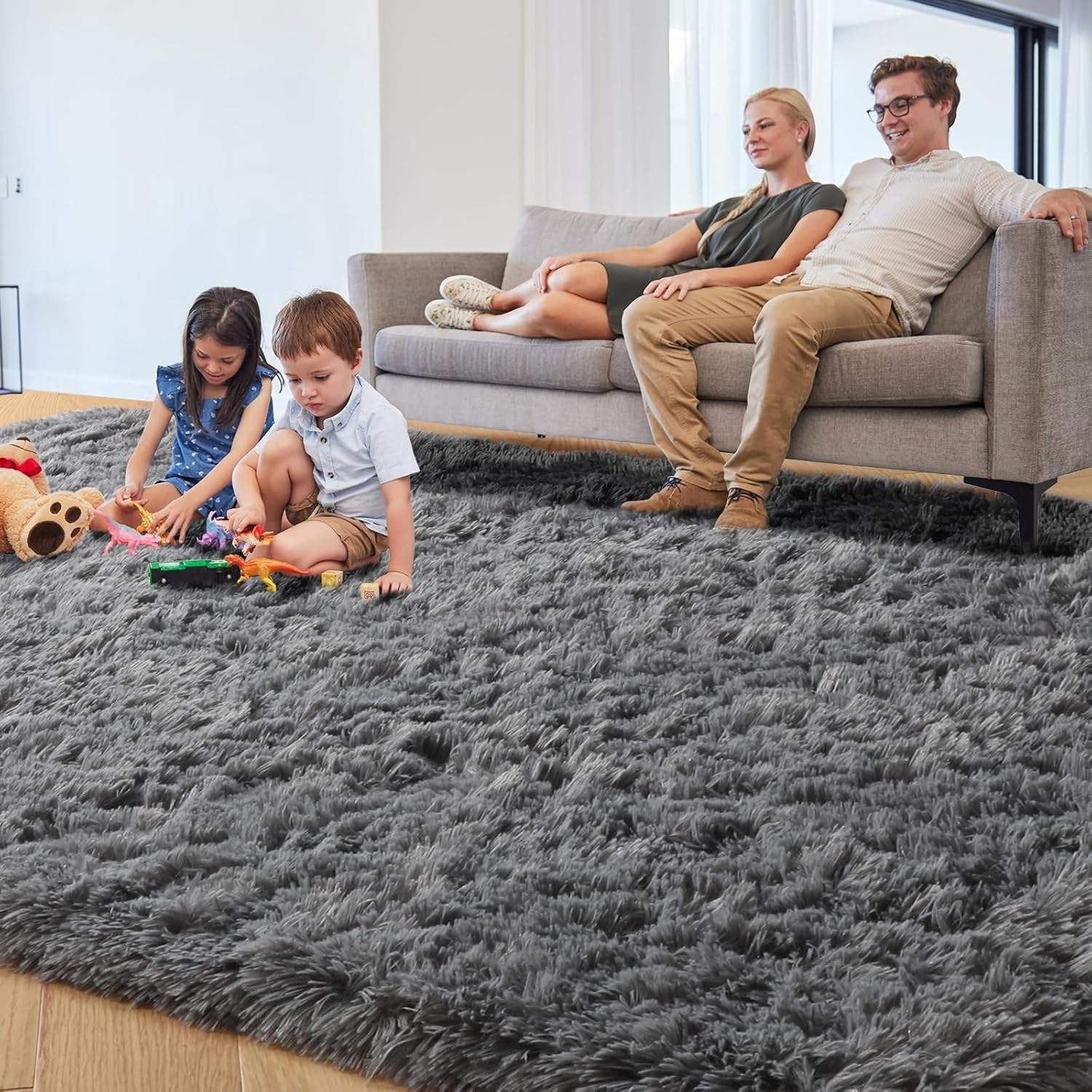
A nursery floor comfort solution must address multiple practical concerns simultaneously. Babies and toddlers spend considerable time on the floor playing, crawling, and learning to walk. The surface beneath them should provide adequate cushioning to protect against impacts while remaining stable enough to prevent tripping hazards. Easy clean nursery flooring is also essential since spills, accidents, and messy play are inevitable parts of early childhood. By choosing wisely, you create a space that supports both physical development and your own peace of mind.
The softness of a nursery rug depends primarily on material quality and pile construction. Natural fibers like wool and cotton offer excellent softness and breathability, while synthetic options provide durability and stain resistance. A low pile nursery rug is often recommended for nurseries because it balances comfort with practicality. Low pile designs prevent tripping while still offering cushioning beneath a baby's feet. The pile height typically ranges from one-quarter inch to one-half inch, striking a middle ground between plush comfort and safe accessibility.
Nursery floor comfort extends beyond surface feel to include the underlying structure. Quality rugs often feature dense backing and padding that absorb impact during playtime and provide support for learning activities. This cushioning is particularly valuable when babies begin crawling or toddlers practice walking. The right amount of give prevents strain on developing joints while remaining firm enough to support balance and coordination. Testing how a rug feels underfoot and observing how quickly it springs back helps you assess cushioning quality before purchasing.
Stability is paramount when selecting a nursery rug for a young child's room. A non-slip backing prevents the rug from shifting during playtime, reducing the risk of tripping or crawling mishaps. This feature becomes increasingly important as children grow more mobile and active. The backing material should have sufficient grip against both hardwood and tile floors without damaging the underlying surface. Quality non-slip solutions remain effective through repeated cleaning and years of use, maintaining safety even as the rug ages. Checking the durability of the anti-slip treatment ensures long-term stability and consistent protection.
Choosing the appropriate nursery rug size directly impacts both safety and comfort in the space. An undersized rug may expose hard floors at room edges where your child plays, reducing protection during active movement. Conversely, an oversized nursery rug size can create wrinkles and buckles that become tripping hazards. Standard recommendations suggest a rug that extends several feet beyond primary play areas while leaving clear sightlines and furniture placement options. Measure your nursery carefully and consider traffic patterns when determining the ideal dimensions. A properly sized rug creates visual cohesion while maintaining safe, accessible floor space throughout the room.
Easy clean nursery flooring materials are essential because accidents happen frequently in spaces shared with young children. Select rugs with stain-resistant treatments or materials naturally resistant to common spills like formula, juice, and food. Synthetic fibers often outperform natural materials in terms of stain resilience and cleaning ease. Most quality nursery rugs can be spot-cleaned with mild soap and water, while some allow deeper cleaning with machine washers or professional services. Understanding the specific care requirements before purchase ensures you can maintain the rug effectively and keep it hygienic for your child's daily use.
Investing in a durable nursery rug provides better long-term value than repeatedly replacing worn or damaged options. High-quality construction resists pilling, fading, and matting even under heavy foot traffic and regular cleaning. A low pile nursery rug design naturally resists visible wear patterns better than plush alternatives. Consider your budget alongside expected lifespan; a moderately priced rug with excellent durability often outperforms cheaper alternatives that deteriorate quickly. Quality materials and construction ensure your nursery rug investment provides years of comfort and safety for multiple children if applicable.
A low pile nursery rug with heights between one-quarter and one-half inch provides the optimal balance of softness and safety. This height offers cushioning and nursery floor comfort while minimizing tripping risks that thicker piles create. Avoid very plush or shag options in nurseries, as their depth can create instability for crawling infants and unsteady toddlers.
Measure your entire nursery and identify the primary play zone where your child spends most time on the floor. Your nursery rug size should extend at least three to four feet beyond this central area to provide adequate coverage. Ensure the rug fits within the room layout without creating wrinkles or overlapping doorways, maintaining safe, accessible circulation throughout the space while maximizing nursery floor comfort.
Yes, modern easy clean nursery flooring materials blend practical functionality with aesthetic appeal suitable for any home design. Stain-resistant treatments and synthetic fibers maintain their appearance in formal living areas while providing the durability and maintainability that family spaces require. Many contemporary nursery rug options coordinate with standard home décor while delivering superior cleaning convenience and long-term durability.

2026/11/02
Struggling to choose the right living room rugs? Avoid costly mistakes with expert insights on size, material, durability, style & care. Get your perfect rug.

2026/11/03
Worried about infant falls during crawling? Discover how cushioned baby play mats absorb impact, and support motor development. Get expert safety tips now.

2026/11/04
Struggling with messy spills and tummy time needs? Discover waterproof, sensory, and tummy-time-optimized play mat surface. Compare materials now.

2026/11/05
Can a kids play mat reduce noise? Discover how thickness, foam density & full coverage deliver real acoustic relief. Get the guide.

2026/11/06
Why do kids slip on tile, laminate & polished wood? Discover how premium non-slip play mats anchor securely AND absorb impact. Boost safety.

2026/11/09
Tired of scrubbing stains and battling odors? Discover the 5 key kids play mat features—waterproof surfaces, washable covers, non-slip grip. See what makes maintenance effortless.

