 EN

What Should Buyers Know Before Ordering Living Room Rugs?
2026/11/02
Struggling to choose the right living room rugs? Avoid costly mistakes with expert insights on size, material, durability, style & care. Get your perfect rug.
Textured play mats serve a fundamental role in early child development by creating multisensory environments where infants and toddlers naturally explore the world through touch. When a baby encounters different textures during playtime, the brain develops neural pathways that support cognitive growth, motor skill refinement, and sensory awareness. A well-designed play mat introduces varied tactile experiences—from soft velvet to bumpy surfaces—that captivate young learners and encourage extended periods of engaged exploration. Understanding how texture influences tactile development helps parents and caregivers select play mats that maximize both developmental benefit and practical usability.
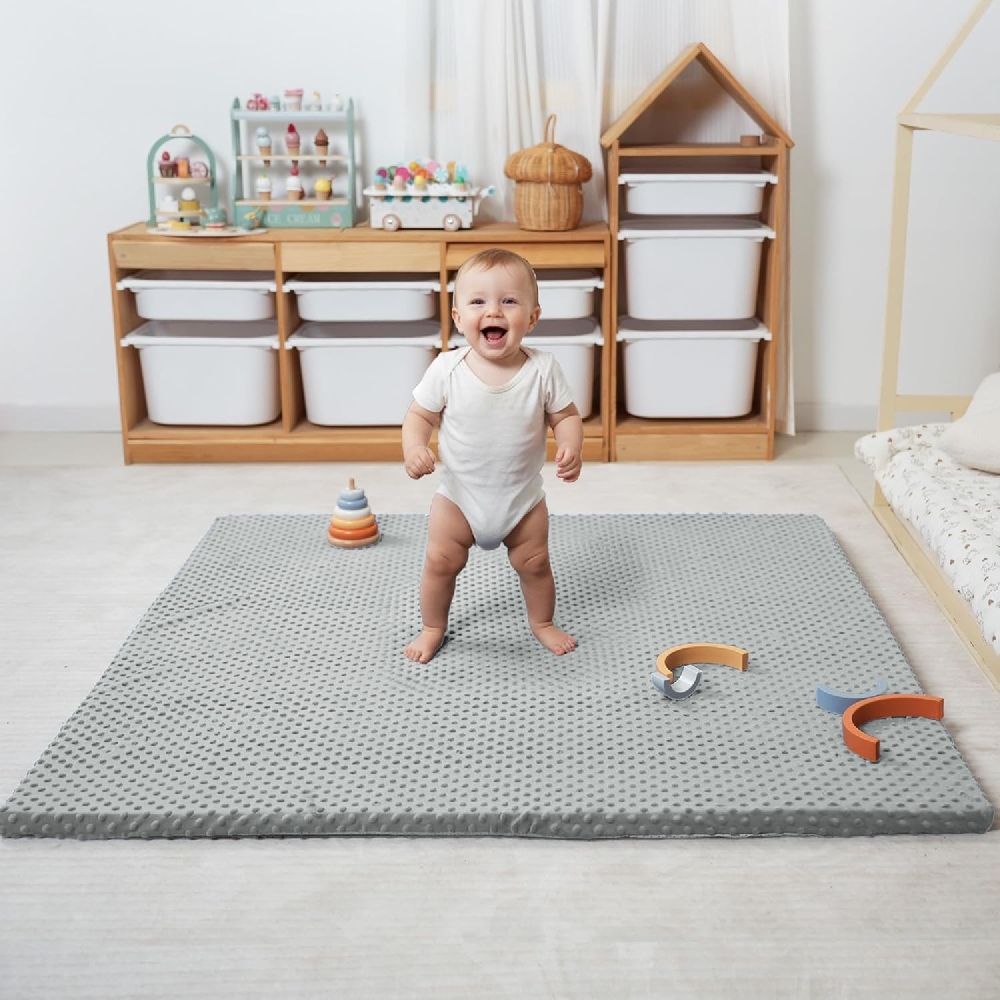
The sensory play surface of a modern play mat is engineered to stimulate multiple touch receptors simultaneously. Infants naturally reach, grab, and mouth surfaces as they learn, making tactile input one of their primary learning channels. High-quality textured mats combine different material densities and patterns to hold attention longer and promote voluntary movement patterns that strengthen muscles and coordination. When parents invest in a durable, easy clean play mat, they remove friction from daily maintenance while ensuring consistent exposure to rich sensory input that supports healthy development trajectories.
Tactile exploration through a play mat activates specialized nerve endings in infant fingertips and palms, sending signals directly to developing brain regions responsible for sensory processing and motor planning. When an infant touches a textured surface, receptors detect pressure, temperature, and texture variations, creating detailed sensory maps that guide future movement and object manipulation. A sensory play surface with multiple texture zones—smooth, bumpy, ridged, and plush areas—provides varied stimulation that maintains engagement and prevents habituation. This constant sensory feedback loop strengthens neural connections between touch perception and motor response, laying foundational skills for later fine motor control and hand-eye coordination. Parents who select mats with intentional texture variation maximize this developmental window.
Research in developmental neuroscience confirms that tactile input during infancy directly influences brain structure and cognitive capability. The sensory cortex—the brain region processing touch information—expands proportionally to the amount and variety of tactile experience an infant receives. A play mat with diverse textures essentially provides a 'workout' for this critical brain region, enhancing sensory discrimination abilities that support learning across multiple domains. Babies who engage regularly with varied textured surfaces demonstrate improved object recognition, spatial awareness, and problem-solving skills as they progress into toddlerhood and beyond.
An easy clean play mat addresses the reality of infant play: frequent spills, drool, and direct contact with food require surfaces that withstand repeated washing without degrading texture or supportive structure. Modern play mat designs integrate removable, machine-washable covers that preserve tactile qualities while simplifying parent routines. High-quality materials maintain their textured properties through dozens of wash cycles, ensuring consistent sensory stimulation over months of daily use. When texture remains intact through regular cleaning, infants continue receiving the full developmental benefit intended by the mat's design. This durability-meets-cleanliness balance distinguishes premium mats from lower-cost alternatives that lose texture or become slippery after washing.
Beyond texture, an effective noise reducing mat minimizes sound transmission to lower floors and nearby spaces while providing impact cushioning that protects infants during inevitable tumbles. The dense material layers required for noise reduction also enhance tactile feedback by creating a more responsive surface. When infants crawl or roll on a well-constructed floor protection mat, they experience subtle changes in surface resistance that provide proprioceptive feedback—information about body position and movement that refines motor control. This dual functionality—simultaneous texture variation, sound dampening, and protective cushioning—creates an environment where tactile exploration happens safely and without disruption to household routines.
Premium play mat designs incorporate intentional texture zoning that encourages systematic exploration. Different sections might feature velvet-soft surfaces alongside bumpy nodules, creating natural focal points that draw infant attention and encourage reaching and grasping movements. As babies become mobile, varied texture zones motivate crawling and exploration across the entire mat surface rather than remaining in one spot. This movement pattern not only strengthens developing muscles but also exposes infants to continuously changing sensory input, maintaining neural engagement and supporting longer play sessions. A well-planned sensory play surface essentially guides tactile exploration through strategic design rather than relying on random texture placement.
Textured mats support developmental progression from newborn tummy time through toddler play phases. Newborns benefit from gentle, varied surfaces that don't overwhelm sensitive touch receptors, while older infants seek more pronounced texture contrasts that challenge developing discrimination abilities. A floor protection mat designed with multiple texture types serves dual purposes across these stages, remaining relevant as sensory preferences and motor capabilities evolve. When parents select mats engineered for multi-stage use, they maximize return on investment while ensuring age-appropriate sensory stimulation throughout critical developmental windows. This forward-thinking approach to mat selection supports continuous tactile learning rather than requiring frequent replacements as children grow.
Infants respond most positively to textures that offer clear sensory contrast—soft velvet against bumpy plastic, smooth satin beside ridged silicone. The ideal play mat combines three to five distinct textures that are safe for mouthing and remain durable through constant contact. Materials should include natural fibers like cotton alongside synthetic options to provide varied temperature and texture sensations. Each texture type should be substantial enough that infants can clearly distinguish differences, supporting sensory discrimination development without overwhelming young learners.
Weekly washing typically balances hygiene and material longevity for heavily used mats. Removable covers can tolerate more frequent washing than the mat base, allowing parents to keep surfaces clean without damaging the underlying textured material. Follow manufacturer guidelines for water temperature and detergent strength, as harsh chemicals or excessive heat can degrade specialty fabrics and reduce tactile variation. Many premium mats maintain texture integrity through 50 or more wash cycles when handled properly, making regular cleaning compatible with long-term sensory benefits.
Yes, modern noise reducing mats incorporate dense support layers beneath textured surfaces, preserving tactile qualities while dampening sound. The cushioning enhances proprioceptive feedback during movement while textured elements on the surface maintain sensory variation. This dual-layer approach demonstrates that sound reduction and sensory stimulation are compatible design goals rather than competing priorities. Parents seeking both household noise management and developmental benefits need not compromise—quality mats deliver both simultaneously.

2026/11/02
Struggling to choose the right living room rugs? Avoid costly mistakes with expert insights on size, material, durability, style & care. Get your perfect rug.

2026/11/03
Worried about infant falls during crawling? Discover how cushioned baby play mats absorb impact, and support motor development. Get expert safety tips now.

2026/11/04
Struggling with messy spills and tummy time needs? Discover waterproof, sensory, and tummy-time-optimized play mat surface. Compare materials now.

2026/11/05
Can a kids play mat reduce noise? Discover how thickness, foam density & full coverage deliver real acoustic relief. Get the guide.

2026/11/06
Why do kids slip on tile, laminate & polished wood? Discover how premium non-slip play mats anchor securely AND absorb impact. Boost safety.

2026/11/09
Tired of scrubbing stains and battling odors? Discover the 5 key kids play mat features—waterproof surfaces, washable covers, non-slip grip. See what makes maintenance effortless.

