 EN

What Should Buyers Know Before Ordering Living Room Rugs?
2026/11/02
Struggling to choose the right living room rugs? Avoid costly mistakes with expert insights on size, material, durability, style & care. Get your perfect rug.
Choosing the right playpen mat involves understanding how thickness variations affect safety, comfort, and long-term value for your baby. A playpen mat serves as the primary cushioning layer between your infant and the hard floor surface, making thickness a critical specification that directly influences developmental comfort and protective performance. Different playpen mat thickness options range from thin, lightweight designs to premium foam constructions, each offering distinct trade-offs in portability, support quality, and durability that parents must carefully evaluate.
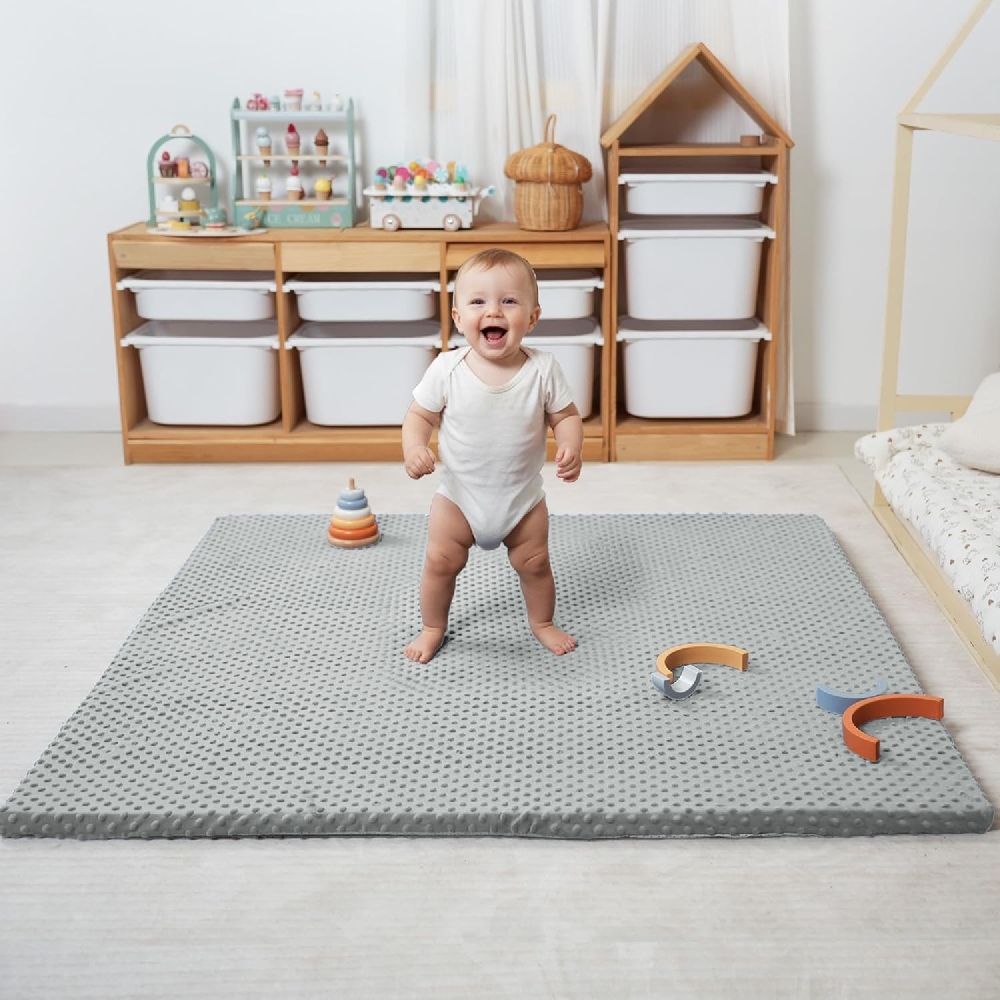
Understanding playpen mat thickness options empowers you to balance mobility with protective cushioning, ensuring your baby enjoys safe play across different environments. Thickness directly determines how much shock absorption occurs when your child crawls, rolls, or practices standing movements. By comparing standard, premium, and specialized mat constructions, you can identify which playpen mat thickness best aligns with your family's lifestyle, space constraints, and comfort priorities.
Entry-level playpen mat options typically feature foam layers measuring 0.5 to 1 inch thick. These thinner designs prioritize portability and space efficiency, making them ideal for parents who frequently transport their playpen between rooms or travel locations. A playpen mat at this thickness provides fundamental floor insulation and basic impact reduction without adding excessive bulk or weight to the overall setup.
Thin playpen mat constructions often use single-density foam or lightweight composite materials that resist sagging in high-traffic play areas. While these mats do offer protection from cold floors and hard surfaces, they deliver moderate cushioning rather than maximum shock absorption, suitable for lighter babies or short-duration play sessions where intense physical activity is less frequent.
Parents appreciate entry-level playpen mat thickness for convenience during daily use and transitions between spaces. These mats fold compactly, fit easily into storage closets, and reduce the overall footprint of your playpen setup. However, the limited cushioning means your baby experiences more direct contact with underlying surfaces, which may become noticeable during extended crawling sessions or when your child reaches active rolling and movement milestones.
The trade-off with thinner playpen mat options involves accepting reduced durability in exchange for mobility. These constructions compress more readily under repeated pressure and may develop permanent indentations faster than thicker alternatives, potentially reducing their useful lifespan to 1 to 2 years of intensive use.
Mid-range to premium playpen mat thickness typically spans 1.5 to 2 inches, incorporating multiple foam densities or specialized gel-infused layers designed for superior comfort. A playpen mat at this thickness provides substantially improved shock absorption during active play, reducing stress on your baby's developing joints and spine during crawling, practicing balance, and learning to stand. These constructions use denser foam bases combined with softer surface layers, creating balanced support that prevents excessive sink-in while maintaining responsive cushioning.
Premium playpen mat options in this thickness range often include memory foam components or dual-density constructions that adapt to your baby's weight distribution and movement patterns. Parents report noticeably improved comfort during tummy time and longer play sessions, as the enhanced cushioning reduces fatigue and discomfort associated with repetitive movements on harder surfaces.
Investing in a thicker playpen mat means accepting slightly reduced portability in exchange for extended product lifespan and consistent performance. A playpen mat at 1.5 to 2 inches typically maintains its structural integrity and cushioning properties for 3 to 5 years of regular household use, representing significantly better long-term value than thin alternatives. The denser foam construction resists compression better, preventing the permanent flattening that reduces protection and comfort over time.
These mid-range playpen mat thickness options remain reasonably portable for regular household movement, though they require dedicated storage space when not in use. Many families find the balance between cushioning quality and practical storage viable for primary play areas where the mat remains permanently positioned.
High-end playpen mat designs often exceed 2 inches, utilizing advanced foam technologies and specialized materials engineered for maximum protection and longevity. These ultra-thick constructions incorporate orthopedic-grade foam, waterproof barriers, and temperature-regulating materials that far exceed basic cushioning requirements. A playpen mat designed with these premium features serves developmental and therapeutic purposes, particularly beneficial for babies recovering from minor musculoskeletal concerns or those with sensory sensitivities to surface textures.
Specialty playpen mat thickness options may include quilted surface layers, antimicrobial treatments, and removable covers designed to accommodate frequent washing. These constructions address hygiene concerns and durability expectations for families maintaining rigorous cleaning standards or managing multiple caregiving environments where the mat experiences intensive daily use.
Your choice of playpen mat thickness should reflect your family's specific circumstances, including your baby's age, activity level, space availability, and intended use patterns. Younger infants primarily engaged in tummy time and light rolling benefit substantially from standard to premium thickness options, while toddlers approaching standing and walking milestones gain more protective advantage from enhanced cushioning. Consider whether your playpen remains stationary or travels regularly, as this significantly influences which playpen mat thickness options prove most practical.
Environmental factors also matter: homes with concrete or tile flooring benefit more from thicker playpen mat options than homes with carpeting, where additional insulation becomes less critical. Climate considerations affect choices too, as thicker mats provide superior temperature regulation in cold basements or outdoor spaces compared to minimal-thickness alternatives.
Newborns spending most time lying down benefit from playpen mat options between 1 and 1.5 inches thick, which provide adequate floor insulation and basic impact reduction without excessive height. This thickness range supports safe tummy time while keeping your newborn relatively close to the floor, reducing tumble risks as mobility develops.
Thinner playpen mat designs under 1 inch roll compactly and weigh significantly less, fitting easily into diaper bags or car storage spaces for families traveling frequently. Premium playpen mat thickness options above 1.5 inches require dedicated storage and represent additional weight during transport, making them better suited for stationary setups or occasional relocation rather than constant movement between locations.
Yes, selecting a thicker playpen mat generally proves more economical for families planning multi-year use across multiple children. Premium playpen mat thickness between 1.5 and 2 inches typically withstands intensive use better than thin alternatives, maintaining cushioning quality and structural integrity throughout your baby's early childhood without needing replacement.

2026/11/02
Struggling to choose the right living room rugs? Avoid costly mistakes with expert insights on size, material, durability, style & care. Get your perfect rug.

2026/11/03
Worried about infant falls during crawling? Discover how cushioned baby play mats absorb impact, and support motor development. Get expert safety tips now.

2026/11/04
Struggling with messy spills and tummy time needs? Discover waterproof, sensory, and tummy-time-optimized play mat surface. Compare materials now.

2026/11/05
Can a kids play mat reduce noise? Discover how thickness, foam density & full coverage deliver real acoustic relief. Get the guide.

2026/11/06
Why do kids slip on tile, laminate & polished wood? Discover how premium non-slip play mats anchor securely AND absorb impact. Boost safety.

2026/11/09
Tired of scrubbing stains and battling odors? Discover the 5 key kids play mat features—waterproof surfaces, washable covers, non-slip grip. See what makes maintenance effortless.

