 EN

What Should Buyers Know Before Ordering Living Room Rugs?
2026/11/02
Struggling to choose the right living room rugs? Avoid costly mistakes with expert insights on size, material, durability, style & care. Get your perfect rug.
When selecting play mats for babies, understanding how materials influence safety is essential for every parent and caregiver. The materials used in baby play mats directly determine their protective capacity, comfort level, and potential exposure to harmful chemicals. A thoughtfully constructed play mat serves as a buffer between infants and hard floors while providing a designated space for tummy time, crawling, and early development. The quality of materials affects everything from cushioning performance to ease of cleaning and long-term durability.
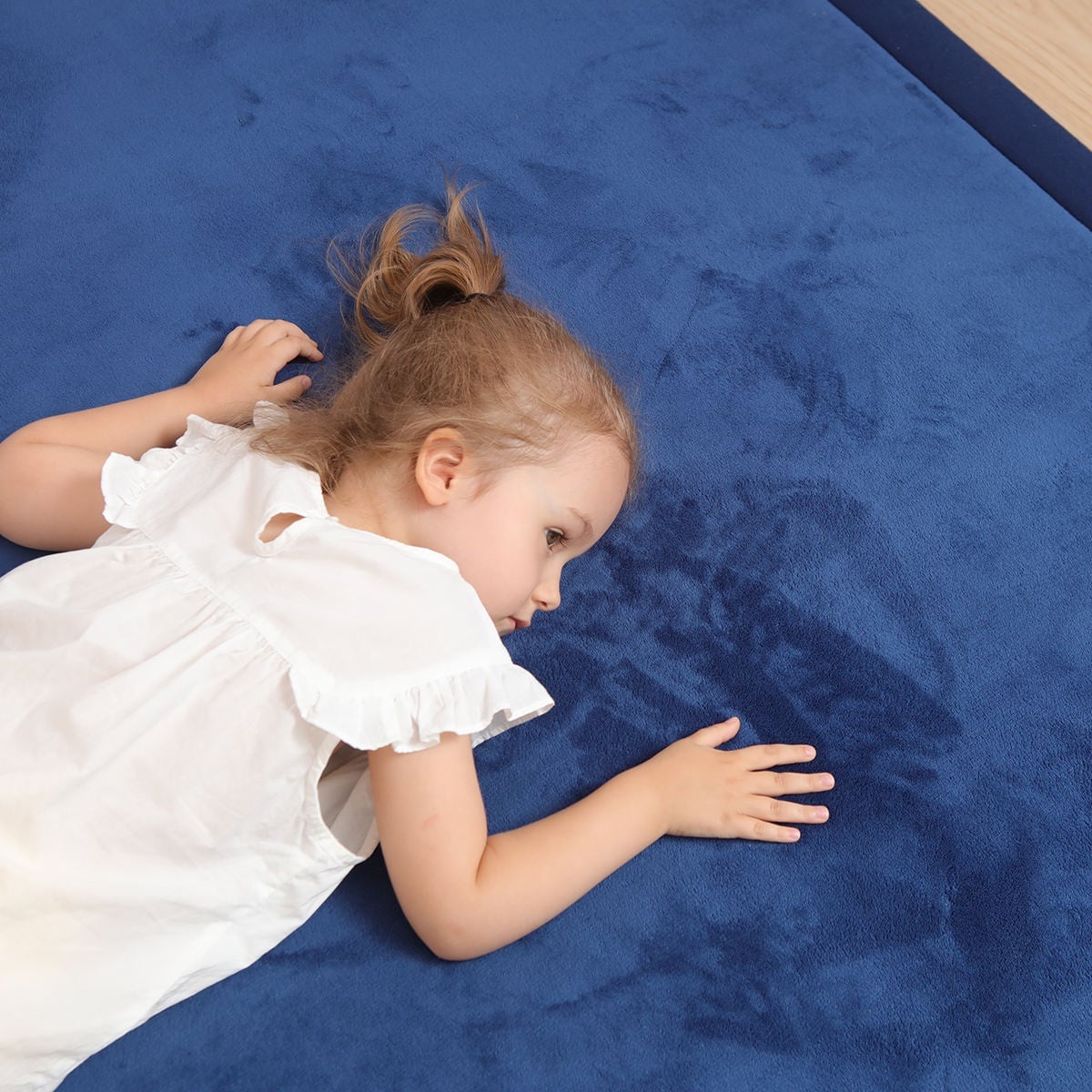
The material composition of play mats for babies directly influences their ability to protect developing bodies from injury while maintaining hygiene standards. Inferior materials can harbor bacteria, off-gas harmful substances, or break down quickly, compromising the safety benefits they are designed to provide. Parents must recognize that not all foam padding, fabric surfaces, or adhesives meet the same safety standards. Understanding these material differences empowers informed purchasing decisions that prioritize infant welfare above cost considerations.
The foam foundation in play mats for babies must be non-toxic and free from harmful chemicals. Quality foam cores typically use closed-cell or open-cell structures that balance cushioning with breathability. Low-quality foams may contain formaldehyde, BPA, or other volatile organic compounds that can off-gas and potentially harm infant respiratory health. Parents should look for foam certified by testing organizations that verify absence of toxic additives and compliance with safety standards. Thickness matters significantly because thicker foam provides better impact protection during falls and tumbles.
Foam density directly correlates with the protective capacity of play mats for babies. Higher-density foam offers superior cushioning that absorbs impact more effectively when infants fall or roll onto the mat surface. This protective benefit becomes increasingly important as babies grow more mobile and prone to tumbles. Density specifications should be measured in pounds per cubic foot, with recommended ranges for infant mats typically between 1.5 and 2.5 pounds per cubic foot. Understanding foam density helps parents evaluate whether a mat will maintain its protective properties through extended use and frequent cleaning.
The fabric surface of play mats for babies must be hypoallergenic and gentle against infant skin. Soft polyester, cotton blends, or specialized fabric coatings provide comfortable contact without triggering allergic reactions or skin irritation. Surface texture matters because rough or abrasive materials can cause friction burns or rashes during extended play sessions. The fabric should be tightly woven to prevent fibers from loosening and becoming choking hazards. Premium mats often feature microfiber or velvet-like surfaces that remain soft after repeated washing while maintaining structural integrity.
Play mats for babies require washable surfaces to maintain hygiene standards and prevent bacterial accumulation. The fabric should be stain-resistant and able to withstand frequent machine or hand washing without degradation. Mats with sealed edges and waterproof backing prevent moisture penetration that could create mold or mildew inside the foam core. Quick-drying capabilities ensure the mat remains ready for use shortly after cleaning. Testing whether the surface maintains its protective qualities after multiple wash cycles helps parents understand the mat's longevity and sustained safety performance.
The adhesives used to bond fabric to foam cores in play mats for babies must be water-based and free from harmful solvents. Chemical dyes used for coloring should meet safety standards that prevent toxin leaching through infant skin contact. Low-quality manufacturing processes may use petroleum-based adhesives or heavy metal dyes that pose respiratory and dermal risks. Certifications from independent testing laboratories provide verification that bonding agents and colorants meet strict safety thresholds. Parents should inquire about manufacturing processes and seek transparency regarding chemical treatments applied to finished mats.
Play mats for babies should not emit strong chemical odors when new, as this indicates inadequate outgassing or use of volatile compounds. Off-gassing represents the release of trapped chemicals from manufacturing into the air where infants breathe them. Higher-quality mats undergo extended aeration periods after manufacturing to minimize off-gassing risk. Parents should air out new mats in well-ventilated spaces before initial use and monitor for persistent odors that may indicate quality concerns. The absence of strong chemical smells correlates strongly with safer material selection and manufacturing practices.
The structural durability of play mats for babies depends heavily on seam quality and proper edge finishing. Double-stitched seams resist splitting and unraveling that could expose foam cores or create choking hazards. Sealed or folded edges prevent fraying and reduce the risk of loose fibers becoming ingestion risks for curious infants. Professional edge binding treatments outlast simple hemming and maintain structural integrity through repeated cleaning cycles. Poor seam construction compromises the mat's protective function by allowing water infiltration and foam deterioration over time.
The backing of play mats for babies requires waterproof or water-resistant treatment to prevent moisture damage to the foam core. Non-slip backing materials prevent the mat from shifting during infant movement, which could create entanglement or crushing hazards. Phthalate-free backing compounds ensure that water-resistant treatments do not introduce harmful plasticizers into the infant play environment. Testing backing durability through simulated use and cleaning cycles verifies that protective qualities persist through the mat's lifespan. High-quality backing materials resist peeling or separation from the foam core even with aggressive cleaning or extended outdoor use.
Parents should seek mats meeting standards such as CPSC regulations, ASTM F963, or certifications from independent testing organizations like Oeko-Tex or GreenGuard. These certifications verify that play mats for babies have been tested for toxic substances, flame resistance, and durability requirements. Third-party testing provides objective verification that materials and manufacturing processes meet strict safety thresholds. Requesting certification documentation helps parents confirm that purchased mats have undergone rigorous safety evaluation.
Play mats for babies should be cleaned weekly or immediately after visible soiling to prevent bacterial accumulation and mold growth. Regular cleaning preserves the protective qualities of materials and extends the mat's functional lifespan significantly. Most quality mats tolerate machine washing or gentle hand cleaning without material degradation when manufacturers' care instructions are followed. Spot cleaning daily for small spills combined with weekly deep cleaning maintains optimal hygiene and material integrity throughout the mat's service life.
Yes, play mats for babies materials can degrade over time if constructed from lower-quality components or subjected to excessive environmental stress. Foam cores may compress and lose cushioning protection after extended use, reducing impact absorption capacity. Fabric surfaces can thin, fray, or develop weak spots that compromise the protective barrier. Quality mats with durable materials maintain safety properties through several years of regular use, while inferior mats may show visible degradation within months. Inspecting mats periodically for visible damage, soft spots, or structural weakness helps parents identify when replacement becomes necessary for maintaining infant safety.

2026/11/02
Struggling to choose the right living room rugs? Avoid costly mistakes with expert insights on size, material, durability, style & care. Get your perfect rug.

2026/11/03
Worried about infant falls during crawling? Discover how cushioned baby play mats absorb impact, and support motor development. Get expert safety tips now.

2026/11/04
Struggling with messy spills and tummy time needs? Discover waterproof, sensory, and tummy-time-optimized play mat surface. Compare materials now.

2026/11/05
Can a kids play mat reduce noise? Discover how thickness, foam density & full coverage deliver real acoustic relief. Get the guide.

2026/11/06
Why do kids slip on tile, laminate & polished wood? Discover how premium non-slip play mats anchor securely AND absorb impact. Boost safety.

2026/11/09
Tired of scrubbing stains and battling odors? Discover the 5 key kids play mat features—waterproof surfaces, washable covers, non-slip grip. See what makes maintenance effortless.

