 EN

What Should Buyers Know Before Ordering Living Room Rugs?
2026/11/02
Struggling to choose the right living room rugs? Avoid costly mistakes with expert insights on size, material, durability, style & care. Get your perfect rug.
Area rugs have become an essential element in modern home design, offering far more than aesthetic appeal. Beyond their decorative function, area rugs significantly enhance comfort levels and address a common household challenge: excessive floor noise. Whether your home features hardwood, tile, or laminate flooring, integrating quality rugs into your living spaces can transform how your home feels and sounds, creating a more inviting and peaceful environment for your family.
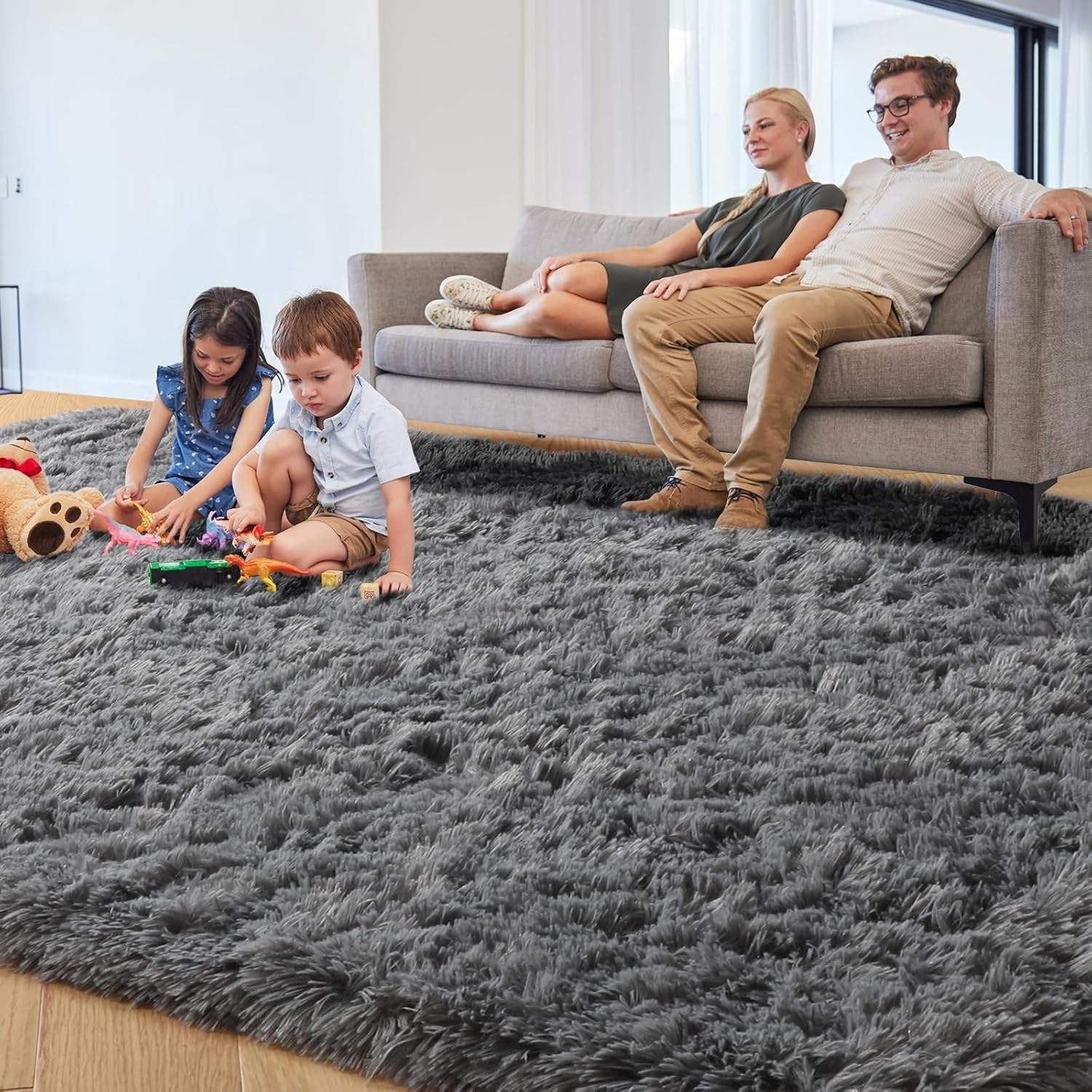
The comfort improvements delivered by area rugs extend beyond what meets the eye. When you walk barefoot across hard flooring, the impact on your joints and muscles can be surprising. Quality area rugs provide cushioning that reduces this physical strain, making daily activities more comfortable. Combined with proper floor protection and the use of non-slip rug pads, area rugs become a smart investment in both your home's durability and your family's well-being.
Hard flooring materials like tile, laminate, and hardwood naturally amplify sound waves. When footsteps, furniture movement, or dropped objects create noise, these surfaces reflect sound rather than absorb it, resulting in echoing and increased floor noise throughout your home. This acoustic challenge is particularly noticeable in rooms with high ceilings or open floor plans where sound can reverberate freely. Area rugs address this problem by introducing soft, absorbent materials that dampen sound vibrations before they can amplify and echo through the space.
Area rug materials possess inherent acoustic properties that capture and dissipate sound energy. Dense fibers and thick pile construction in quality rugs trap sound waves, converting acoustic energy into minimal vibrations that dissipate rather than reflect. The effectiveness of floor noise reduction depends significantly on the rug's material composition and thickness. Thicker area rugs generally perform better at sound absorption, making them ideal for homes where noise reduction is a priority. Pairing these rugs with non-slip rug pads underneath amplifies their acoustic benefits while preventing movement that could otherwise create additional noise.
Walking and standing on hard flooring for extended periods can stress joints, particularly in the feet, knees, and lower back. Area rugs provide essential cushioning that absorbs impact and distributes weight more evenly across the floor. This is especially valuable for households with children, elderly family members, or anyone who spends significant time on their feet. The soft surface of quality area rug materials reduces repetitive strain injuries and makes standing activities more comfortable. For families with young children who play on floors, this cushioning protection becomes even more important.
Hard floors are excellent conductors of temperature, pulling warmth away from your feet during colder months. Area rugs act as insulators, creating a barrier between your feet and the cold floor surface. This thermal benefit makes areas covered by rugs feel noticeably warmer, reducing the need for additional heating and lowering energy costs. The insulating properties of area rug materials vary based on composition and thickness, with denser options providing superior thermal performance. This combination of temperature regulation and comfort makes area rugs a practical choice for year-round residential comfort.
Hard flooring is expensive and vulnerable to damage from foot traffic, furniture weight, and environmental exposure. Area rugs serve as protective barriers that shield your investment by reducing direct wear on underlying surfaces. They prevent scratches from furniture legs, minimize the impact of dropped objects, and protect flooring from UV damage when placed near windows. This protective function extends the lifespan of your floors significantly. When combined with proper floor protection strategies, including non-slip rug pads, area rugs become an economical way to preserve floor appearance and structural integrity over time.
Safety is paramount in any household, making non-slip rug pads an essential component of proper rug installation. Without proper underlay, area rugs can shift during use, creating tripping hazards and allowing debris to accumulate underneath. Non-slip rug pads anchor area rugs in place, preventing movement while allowing for easy cleaning and maintenance. These pads protect both your family from accidents and your flooring from the friction and wear caused by shifting rugs. Quality non-slip rug pads maintain their grip over time, ensuring consistent floor protection and safety throughout your home.
Area rug materials range from natural fibers to synthetic options, each offering distinct advantages. Wool provides excellent durability, natural stain resistance, and superior sound absorption, making it ideal for high-traffic areas. Synthetic materials like polyester and polypropylene offer budget-friendly alternatives with easy maintenance and strong stain resistance. Natural fiber options such as jute and sisal deliver eco-friendly appeal but may be less suitable for wet environments. Understanding these area rug materials helps you select rugs that align with your specific comfort needs, floor noise reduction goals, and maintenance expectations.
Selecting appropriate area rug materials depends on your household's unique situation. For maximum floor noise reduction, thicker pile rugs in wool or wool-blend compositions perform exceptionally well. If comfort is your priority, soft materials with dense pile structures provide superior cushioning for bare feet. For homes with children or pets, durable, easy-to-clean synthetic materials may be more practical. Floor protection requirements also influence material selection, as some compositions resist wear better than others. Combining quality area rugs with effective non-slip rug pads ensures you achieve optimal comfort, noise reduction, and floor protection simultaneously.
Yes, area rugs significantly reduce floor noise by absorbing sound waves rather than reflecting them. Thicker rugs with dense pile materials provide superior floor noise reduction, and the effect is amplified when combined with non-slip rug pads underneath. Hard flooring naturally amplifies sound, but quality area rugs address this acoustic challenge by introducing absorbent materials that dampen vibrations throughout your home.
Wool and wool-blend area rugs offer exceptional comfort due to their natural cushioning and soft texture. Synthetic materials like polyester can also provide good comfort while being more budget-friendly and easier to clean. The key is selecting area rug materials with adequate pile thickness and density, which distributes your weight evenly and reduces stress on joints when walking barefoot.
Non-slip rug pads prevent area rugs from shifting during use, which protects both your family from tripping hazards and your floors from friction damage. By anchoring your rug in place, these pads also prevent dirt and debris from accumulating underneath, ensuring your floor protection strategy is complete and effective over the long term.

2026/11/02
Struggling to choose the right living room rugs? Avoid costly mistakes with expert insights on size, material, durability, style & care. Get your perfect rug.

2026/11/03
Worried about infant falls during crawling? Discover how cushioned baby play mats absorb impact, and support motor development. Get expert safety tips now.

2026/11/04
Struggling with messy spills and tummy time needs? Discover waterproof, sensory, and tummy-time-optimized play mat surface. Compare materials now.

2026/11/05
Can a kids play mat reduce noise? Discover how thickness, foam density & full coverage deliver real acoustic relief. Get the guide.

2026/11/06
Why do kids slip on tile, laminate & polished wood? Discover how premium non-slip play mats anchor securely AND absorb impact. Boost safety.

2026/11/09
Tired of scrubbing stains and battling odors? Discover the 5 key kids play mat features—waterproof surfaces, washable covers, non-slip grip. See what makes maintenance effortless.

