 EN

What Should Buyers Know Before Ordering Living Room Rugs?
2026/11/02
Struggling to choose the right living room rugs? Avoid costly mistakes with expert insights on size, material, durability, style & care. Get your perfect rug.
When choosing floor coverings for your home or commercial space, the decision between area rugs and traditional floor mats can significantly impact both aesthetics and functionality. Area rugs have emerged as a versatile flooring solution that offers distinct advantages over conventional floor mats in many applications. Understanding the fundamental differences between these two options helps you make an informed choice that aligns with your specific needs, lifestyle, and design preferences.
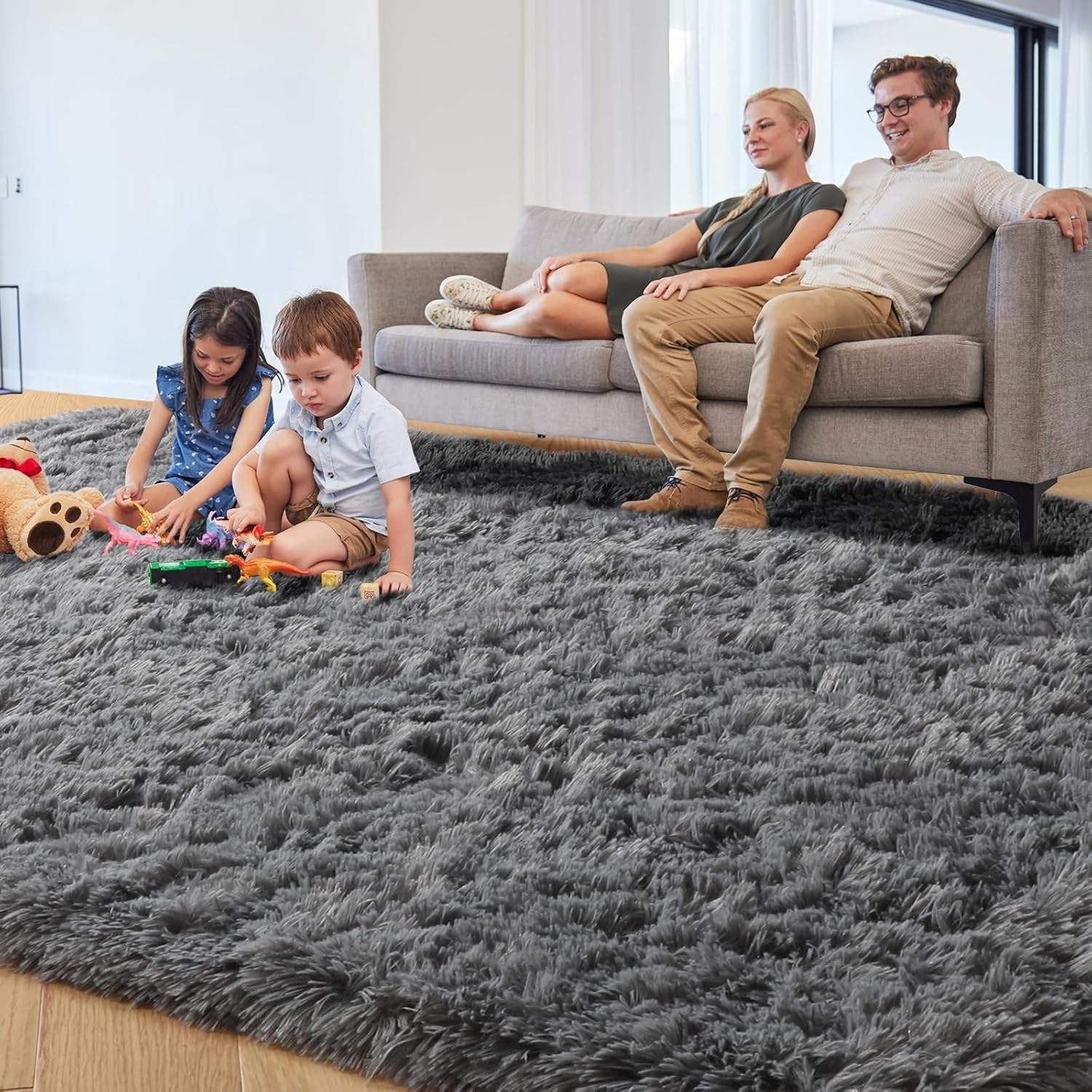
Traditional floor mats typically serve a single, practical purpose: protecting floors from dirt, moisture, and wear in high-traffic zones. However, area rugs combine protective functionality with aesthetic value, making them a more comprehensive flooring solution for modern interiors. This distinction forms the foundation of why many property owners and designers now prefer area rugs over basic floor mats.
Area rugs provide exceptional design flexibility that traditional floor mats cannot match. These floor coverings come in countless colors, patterns, textures, and sizes, allowing you to customize your space with precision. Whether you prefer minimalist designs, bold geometric patterns, or intricate traditional motifs, area rugs enable you to express your interior design vision. Floor mats, by contrast, are typically utilitarian and limited to neutral colors and basic patterns designed purely for function rather than fashion.
The versatility of area rugs extends to their ability to define distinct zones within open-plan living spaces. A well-placed rug can visually anchor a seating area, dining space, or bedroom without requiring permanent structural changes. Traditional floor mats serve no such design purpose; they remain background elements that blend into the floor rather than enhance the overall room aesthetic. This functional difference makes area rugs particularly valuable in contemporary interior design approaches.
Area rugs are manufactured from diverse materials including wool, synthetic fibers, natural jute, cotton, and silk blends, each offering distinct textural qualities and durability profiles. This material range allows you to select area rugs that match your lifestyle needs while maintaining visual appeal. Soft shaggy area rugs create cozy atmospheres in bedrooms and living rooms, while flatweave area rugs work well in kitchens and bathrooms. Traditional floor mats typically use rubber, vinyl, or basic synthetic materials that prioritize moisture resistance and easy cleaning over comfort or visual appeal.
Quality area rugs often outlast traditional floor mats when properly maintained, particularly high-end wool or synthetic area rugs designed for heavy traffic. Area rugs constructed from premium materials develop character over time, and their durability actually increases their long-term value as home furnishings. Floor mats, by comparison, are consumable items with limited lifespans; they become worn, faded, and brittle relatively quickly, requiring frequent replacement. This replacement cycle makes floor mats a higher total-cost-of-ownership solution despite their lower initial purchase price.
Area rugs also provide better protection for underlying flooring surfaces compared to thin floor mats. The cushioning and insulation properties of quality area rugs reduce impact stress on hardwood, tile, or laminate floors beneath them. Floor mats offer minimal protective benefit and may even trap moisture against certain floor types, potentially causing damage over extended periods.
Modern area rugs, especially those featuring stain-resistant treatments and non-slip backing, require reasonable maintenance that fits into typical household routines. Regular vacuuming, occasional spot cleaning, and professional deep cleaning on a rotating schedule keep area rugs in excellent condition for years. The diversity of area rug materials means you can choose options suited to your maintenance comfort level; low-maintenance synthetic area rugs require less intensive care than delicate natural fiber alternatives. Floor mats, while easier to clean in isolation, accumulate dirt and odors quickly and cannot be professionally deep cleaned like quality area rugs.
Contemporary area rugs incorporate advanced non-slip backing and cushioning technologies that enhance safety across diverse environments. Anti-slip area rugs prevent tripping hazards and movement, particularly important in homes with children, elderly residents, or mobility challenges. Premium area rugs provide joint support and ergonomic comfort for extended standing periods, benefiting kitchen workers and other active household users. Traditional floor mats focus solely on slip prevention through aggressive rubber or vinyl surfaces, which can feel uncomfortable underfoot and lack the ergonomic support that quality area rugs provide.
Area rugs manufactured from natural fibers like wool and jute offer superior indoor air quality benefits compared to synthetic floor mats. Wool area rugs naturally regulate humidity, absorb volatile organic compounds, and resist dust mite proliferation more effectively than plastic-based floor mats. For families prioritizing health and environmental responsibility, natural fiber area rugs represent a more sustainable choice with genuine wellness benefits. Synthetic floor mats often off-gas chemical odors and provide no air-quality benefits, making them a less optimal choice for health-conscious households.
Area rugs designed specifically for bathrooms and kitchens feature moisture-resistant materials and non-slip backing that match or exceed floor mat performance in wet areas. These specialized area rugs combine durability with aesthetic appeal, making them superior to basic floor mats even in challenging environments. However, standard wool area rugs are not appropriate for consistently wet spaces; instead, choose synthetic or natural fiber area rugs specifically engineered for moisture resistance when placing them near water sources.
Traditional floor mats typically cost less initially than quality area rugs, making them attractive for budget-conscious shoppers making short-term decisions. However, area rugs provide superior long-term value through extended lifespan, reduced replacement frequency, and dual functionality as both protective and decorative elements. When calculating total cost of ownership over five to ten years, area rugs often cost less than replacing floor mats multiple times, while simultaneously enhancing your interior design.
Area rugs inherently function as visual anchors that define room zones through color, pattern, texture, and size variations. Floor mats, designed purely for function, lack the design sophistication needed to create psychological room divisions or enhance spatial perception. Interior designers consistently rely on area rugs rather than floor mats to shape open-plan spaces because area rugs communicate intentional design while floor mats communicate utility only. This distinction makes area rugs the clear choice for anyone interested in cohesive interior aesthetics.

2026/11/02
Struggling to choose the right living room rugs? Avoid costly mistakes with expert insights on size, material, durability, style & care. Get your perfect rug.

2026/11/03
Worried about infant falls during crawling? Discover how cushioned baby play mats absorb impact, and support motor development. Get expert safety tips now.

2026/11/04
Struggling with messy spills and tummy time needs? Discover waterproof, sensory, and tummy-time-optimized play mat surface. Compare materials now.

2026/11/05
Can a kids play mat reduce noise? Discover how thickness, foam density & full coverage deliver real acoustic relief. Get the guide.

2026/11/06
Why do kids slip on tile, laminate & polished wood? Discover how premium non-slip play mats anchor securely AND absorb impact. Boost safety.

2026/11/09
Tired of scrubbing stains and battling odors? Discover the 5 key kids play mat features—waterproof surfaces, washable covers, non-slip grip. See what makes maintenance effortless.

