 EN

What Should Buyers Know Before Ordering Living Room Rugs?
2026/11/02
Struggling to choose the right living room rugs? Avoid costly mistakes with expert insights on size, material, durability, style & care. Get your perfect rug.
Sourcing quality kids play mat products is a critical decision for retailers looking to build customer trust and maintain healthy profit margins. The kids play mat market has grown significantly as parents increasingly recognize the developmental benefits of safe, dedicated play spaces for their children. However, not all kids play mat options meet the same safety, durability, and comfort standards that discerning retailers and parents demand. Understanding how to evaluate suppliers, assess material quality, and verify certifications can mean the difference between stocking products that sell consistently and managing returns or customer complaints.
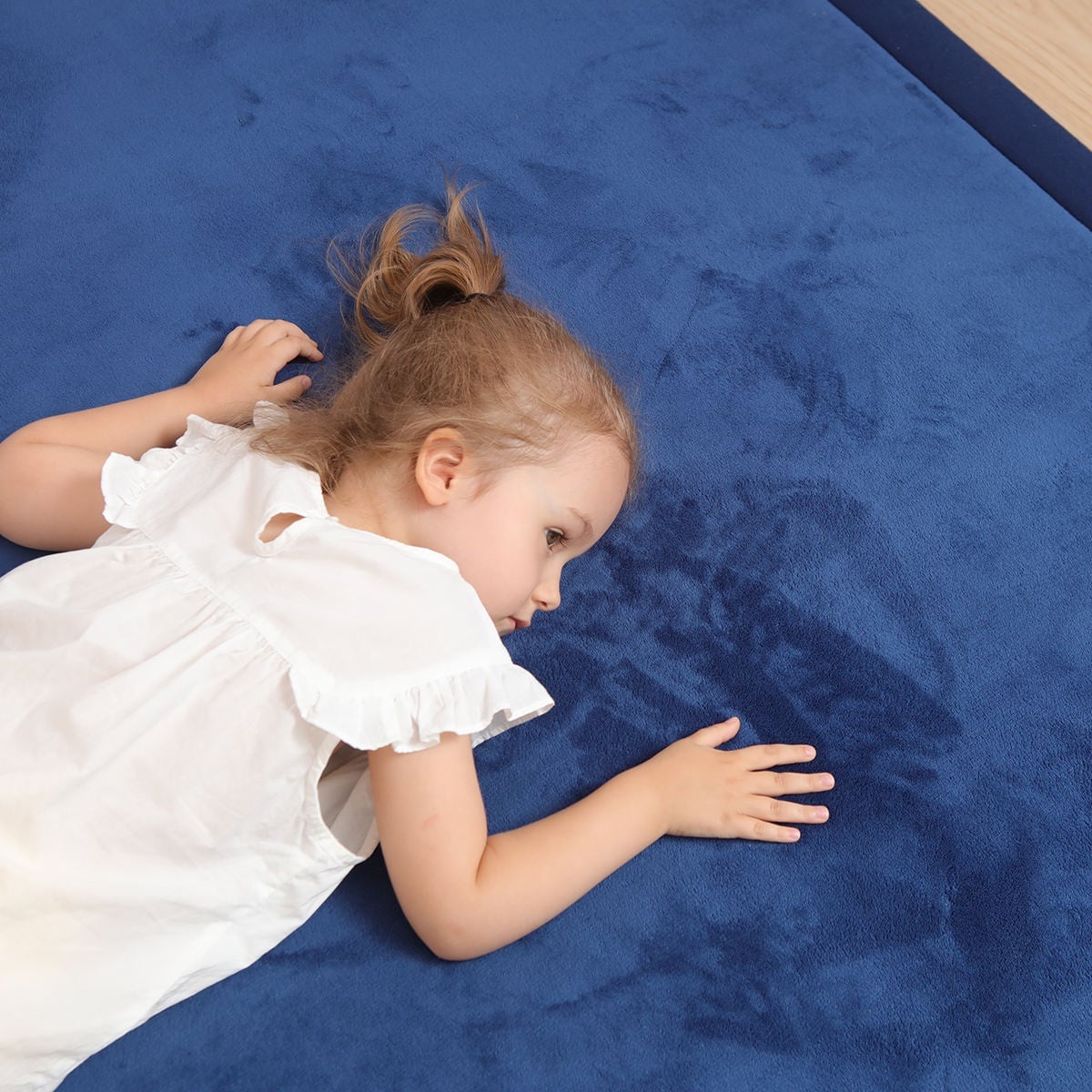
Retailers who prioritize sourcing quality kids play mat products gain a competitive advantage by offering reliable, safe options that parents feel confident purchasing. The process requires due diligence across multiple dimensions, including material composition, manufacturing standards, safety certifications, and supplier reliability. This guide walks through the practical steps retailers can take to identify trustworthy kids play mat suppliers and ensure they stock products that meet consumer expectations and regulatory requirements.
When evaluating kids play mat suppliers, safety certifications form the foundation of quality assurance. Products intended for children must comply with standards such as CPSIA (Consumer Product Safety Improvement Act) in the United States, EN71 in Europe, and comparable regulations in other markets. A reputable kids play mat manufacturer will have their products tested by accredited laboratories and maintain current compliance documentation. Retailers should request certificates of compliance before placing bulk orders and verify that the certifying bodies are recognized by relevant regulatory authorities. This protects both the retailer's reputation and ensures that young users are protected from harmful substances and design hazards.
The material used in a kids play mat directly impacts safety and longevity. Quality kids play mat products are typically made from non-toxic foam, natural rubber, or certified synthetic materials free from phthalates, BPA, and other harmful chemicals. Retailers should ask suppliers for detailed specifications about foam density, foam composition, and any special treatments applied during manufacturing. Lower-density foam may reduce initial costs but leads to faster degradation and customer dissatisfaction. Premium kids play mat options often feature closed-cell foam or multiple-layer construction that provides better cushioning and extends product life. Requesting material safety data sheets (MSDS) and third-party testing results helps retailers confirm that kids play mat offerings genuinely meet the safety standards they claim.
Identifying reliable suppliers begins with researching their history and reputation within the industry. When sourcing kids play mat products, retailers should look for suppliers with consistent track records of delivering on time, maintaining quality standards, and handling issues professionally. Request references from other retailers who currently buy kids play mat products from the supplier, and ask specific questions about consistency, responsiveness, and how issues were resolved. Industry trade shows, online review platforms, and professional networks can provide insight into a supplier's standing. A manufacturer willing to provide multiple references and detailed production information demonstrates confidence in their kids play mat quality and operational transparency.
Before committing to large orders, retailers need assurance that a kids play mat supplier can maintain consistent quality across high volumes. Tour the manufacturing facility if possible, or request detailed documentation about their quality control procedures, inspection checkpoints, and testing protocols. Reliable kids play mat manufacturers implement strict quality checks at multiple production stages, maintain detailed batch records, and use statistical process control to identify deviations early. Ask how they handle defects, what their rejection rate is, and whether they provide warranties on kids play mat products. Understanding their capacity limits helps retailers avoid the frustration of placing orders they cannot fulfill promptly, which damages retailer-supplier relationships and creates customer disappointment.
Kids play mat options vary significantly in dimensions, thickness, and design features, and retailers must understand what their target customers need. Standard kids play mat products range from thin, portable mats under one inch thick to thicker options suitable for extended tummy time and crawling play. Thickness affects both the cushioning protection and the mats' portability; thicker options provide better shock absorption but may be less convenient for travel. Retailers should stock a variety of sizes and thicknesses to serve different market segments, from apartment dwellers seeking compact kids play mat solutions to families with dedicated playrooms. Features such as waterproof backing, reversible patterns, and fold-for-storage design increase customer appeal. Discussing these variations with suppliers helps retailers curate a kids play mat selection aligned with their customer demographics and usage patterns.
Today's consumers expect kids play mat products to be both functional and visually appealing. Retailers should evaluate whether supplier offerings include contemporary color schemes, educational patterns, or licensed character designs that resonate with their customer base. Suppliers of quality kids play mat products invest in design trends, seasonal collections, and customization options that appeal to modern parents. Request samples to assess print durability, color fastness, and overall finish quality. A kids play mat that looks attractive initially but fades or deteriorates quickly damages customer satisfaction and retailer credibility. Quality suppliers often provide style guidance, recommend trending designs, and adjust their kids play mat offerings based on market feedback, supporting retailers in maintaining current inventory that sells faster.
Before committing to large-volume kids play mat purchases, request samples and conduct thorough testing. Wash the kids play mat samples according to care instructions to assess durability and verify that patterns withstand repeated cleaning. Test for smell, chemical off-gassing, and tactile comfort. Place a small trial order to evaluate the supplier's communication, packaging quality, delivery timeliness, and product consistency with your samples. This pilot approach allows retailers to confirm that the kids play mat quality meets expectations without substantial financial risk. Monitor customer feedback on the trial kids play mat batch closely, and only scale up with suppliers who pass this initial validation phase.
Successful retailers build partnerships with kids play mat suppliers rather than treating them as transactional vendors. Communicating volume forecasts, providing feedback on sales performance, and offering advance notice of seasonal demand helps suppliers prepare adequate inventory and reduces lead times. In return, reliable kids play mat suppliers often offer volume discounts, priority fulfillment, and early access to new designs. Establishing clear communication channels, documented terms, and responsive problem-resolution processes strengthens the relationship and ensures consistent kids play mat supply. Long-term partnerships also encourage suppliers to invest in quality improvements and innovation that benefit both parties.
Look for CPSIA compliance (US market), EN71 certification (EU), and ASTM standards. Request third-party testing documentation from accredited laboratories. Additionally, check for Oeko-Tex or similar textile safety certifications, and ensure the kids play mat supplier maintains current documentation for all required certifications in your target markets.
Request material safety data sheets (MSDS) for all components and ask the supplier for certificates of analysis showing tests for phthalates, BPA, lead, and other restricted substances. Many quality kids play mat manufacturers provide third-party lab reports proving non-toxic composition. You can also conduct spot checks by having products tested independently by accredited labs if concerns arise.
Compare the total cost of ownership, not just unit price. Factor in quality durability, warranty coverage, order minimums, lead times, and customer return rates for the kids play mat products. A slightly more expensive kids play mat from a reliable supplier often yields better profit margins and customer satisfaction than a cheaper option prone to defects or premature wear.

2026/11/02
Struggling to choose the right living room rugs? Avoid costly mistakes with expert insights on size, material, durability, style & care. Get your perfect rug.

2026/11/03
Worried about infant falls during crawling? Discover how cushioned baby play mats absorb impact, and support motor development. Get expert safety tips now.

2026/11/04
Struggling with messy spills and tummy time needs? Discover waterproof, sensory, and tummy-time-optimized play mat surface. Compare materials now.

2026/11/05
Can a kids play mat reduce noise? Discover how thickness, foam density & full coverage deliver real acoustic relief. Get the guide.

2026/11/06
Why do kids slip on tile, laminate & polished wood? Discover how premium non-slip play mats anchor securely AND absorb impact. Boost safety.

2026/11/09
Tired of scrubbing stains and battling odors? Discover the 5 key kids play mat features—waterproof surfaces, washable covers, non-slip grip. See what makes maintenance effortless.

