 EN

What Should Buyers Know Before Ordering Living Room Rugs?
2026/11/02
Struggling to choose the right living room rugs? Avoid costly mistakes with expert insights on size, material, durability, style & care. Get your perfect rug.
A nursery rug is far more than a decorative floor covering—it serves as a foundational element that directly influences the overall atmosphere and functionality of your child's room. The right nursery rug creates a welcoming, safe, and visually cohesive space where your child can play, learn, and rest comfortably. By selecting a quality nursery rug, you invest in both the aesthetic appeal and the practical benefits that contribute to a nurturing environment for your little one.
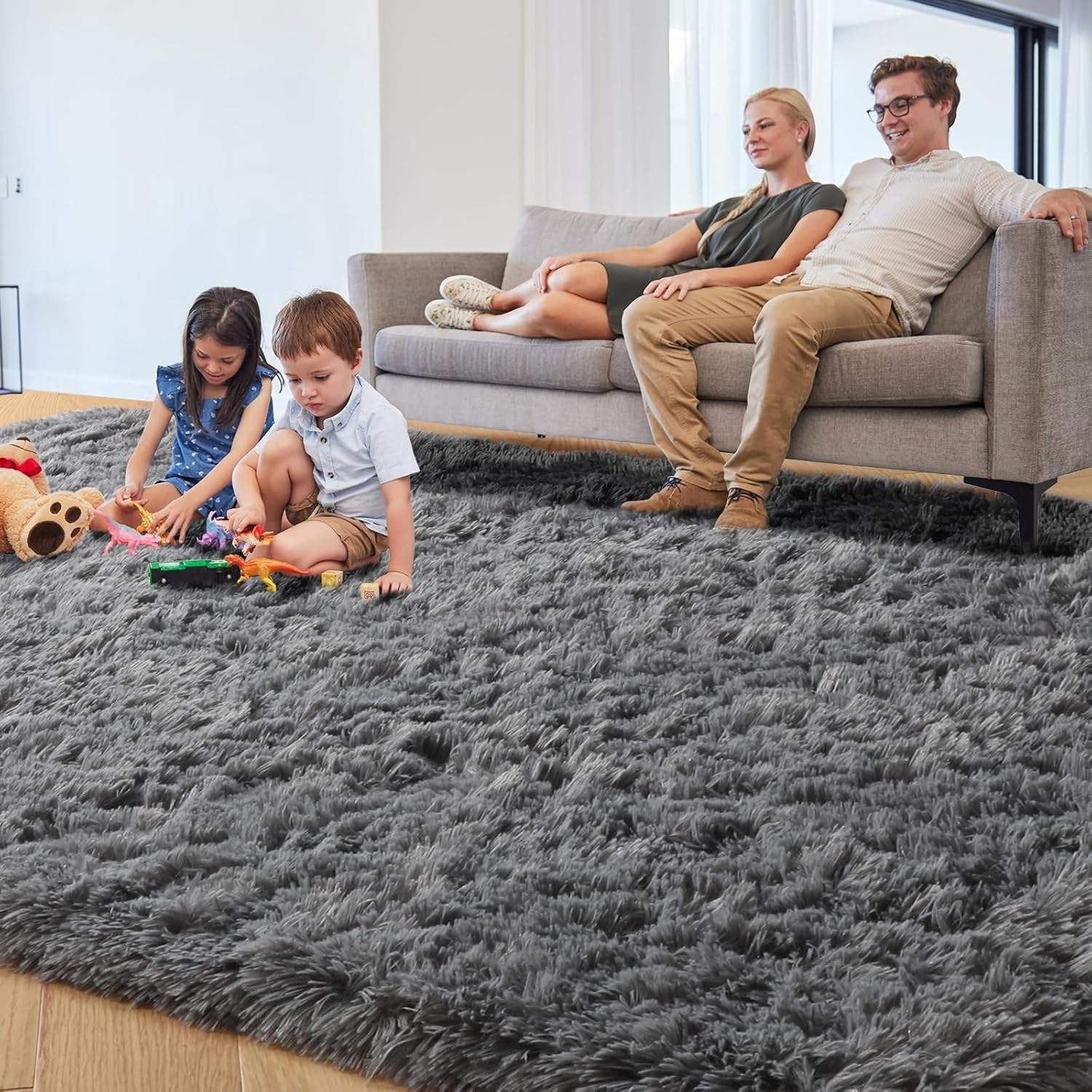
The atmosphere within a nursery influences your child's mood, behavior, and sense of security during crucial early developmental years. A carefully chosen nursery rug contributes to this atmosphere by introducing softness, warmth, and visual harmony to the space. Whether you prioritize comfort, safety, or design coherence, the right rug serves multiple functions that collectively transform how your child experiences and engages with their personal environment.
The tactile experience of stepping onto a soft, plush nursery rug creates an immediate sense of comfort and safety for your child. Young children spend significant time on the floor during play, crawling, and exploration, making the quality of the surface beneath them critically important. A high-quality nursery rug provides cushioning that protects developing joints and creates a cozy foundation where children naturally want to spend time. This physical comfort translates directly into emotional security, as children associate soft, warm textures with safety and nurturing care.
A nursery rug's color palette and design patterns significantly impact the room's visual atmosphere and mood. Soft, muted tones create a calming environment that promotes relaxation and restful sleep, while thoughtfully chosen designs add visual interest without overwhelming the space. The right color choices complement your room's existing decor and reinforce the soothing atmosphere you want to establish. Design elements like gentle patterns or nature-inspired motifs introduce age-appropriate visual stimulation that encourages creativity and imagination without creating visual clutter or overstimulation.
Safety is paramount in any child's environment, and a quality nursery rug contributes significantly to accident prevention. Non-slip backing prevents the rug from shifting when your child moves across it, eliminating hazards that could lead to trips or falls during play and exploration. The cushioned surface also provides impact absorption if your child does fall, reducing the risk of serious injury compared to bare flooring. This combination of stability and impact protection creates a safer play surface that allows children to move freely with reduced injury risk, giving parents peace of mind during daily activities.
A properly constructed nursery rug supports a cleaner, more hygienic room environment by containing dust and allergens that would otherwise become airborne. Quality rugs made from low-allergen materials reduce respiratory irritants that might affect children with sensitivities. Regular cleaning and maintenance of your nursery rug prevent the accumulation of dust mites and bacteria that could compromise your child's health. Easy-to-clean materials ensure that spills and accidents can be quickly addressed, maintaining a sanitary space where your child can play without exposure to contaminated surfaces.
Hard flooring in nurseries amplifies sound, creating an acoustically harsh environment that can startle and overstimulate young children. A nursery rug absorbs sound waves, naturally reducing echo and noise levels within the room. This quieter acoustic environment promotes better sleep quality and creates a more peaceful atmosphere for both your child and other family members. The reduced noise also allows your child to concentrate better during play and learning activities, supporting cognitive development through a calm, focused environment.
Children naturally gravitate toward soft, designated play areas, and a nursery rug defines that space both physically and psychologically. By creating an inviting floor surface, a quality nursery rug encourages extended play sessions where developmental milestones occur naturally. Infants benefit from tummy time on a cushioned surface that reduces physical strain while building strength. Toddlers gain confidence to explore movement, crawling, standing, and walking on a supportive surface that feels secure and comfortable. The psychological effect of having a dedicated, defined play area within the nursery reinforces healthy developmental patterns and supports early learning through safe, comfortable exploration.
High-quality nursery rug materials include non-toxic, hypoallergenic options like organic cotton, wool blends, and synthetic fibers specifically designed for children's spaces. Look for materials that are soft, easy to clean, and naturally resistant to staining. Certifications like OEKO-TEX or other child-safety standards ensure the rug has been tested for harmful chemicals and is safe for direct contact with your child's sensitive skin.
A nursery rug should be vacuumed weekly and deep-cleaned every 1–2 months, depending on usage and spills. Most quality rugs last 3–5 years with proper maintenance before showing significant wear. Spot-cleaning immediately after accidents prevents stains from setting and extends the rug's lifespan while maintaining hygiene and appearance.
Absolutely. A well-chosen nursery rug with neutral colors and timeless design can transition into a child's bedroom, playroom, or living space as they grow. Quality rugs remain functional and attractive for years, making them a practical investment that adapts to changing room purposes throughout your child's development.

2026/11/02
Struggling to choose the right living room rugs? Avoid costly mistakes with expert insights on size, material, durability, style & care. Get your perfect rug.

2026/11/03
Worried about infant falls during crawling? Discover how cushioned baby play mats absorb impact, and support motor development. Get expert safety tips now.

2026/11/04
Struggling with messy spills and tummy time needs? Discover waterproof, sensory, and tummy-time-optimized play mat surface. Compare materials now.

2026/11/05
Can a kids play mat reduce noise? Discover how thickness, foam density & full coverage deliver real acoustic relief. Get the guide.

2026/11/06
Why do kids slip on tile, laminate & polished wood? Discover how premium non-slip play mats anchor securely AND absorb impact. Boost safety.

2026/11/09
Tired of scrubbing stains and battling odors? Discover the 5 key kids play mat features—waterproof surfaces, washable covers, non-slip grip. See what makes maintenance effortless.

