 EN

What Should Buyers Know Before Ordering Living Room Rugs?
2026/11/02
Struggling to choose the right living room rugs? Avoid costly mistakes with expert insights on size, material, durability, style & care. Get your perfect rug.
Manufacturers today face increasing demand for personalized products that stand out in competitive markets. A memory foam mat offers exceptional customization potential, allowing businesses to create products that reflect brand identity while delivering superior comfort and durability. Whether for corporate offices, fitness studios, childcare facilities, or retail environments, customized foam mats serve both functional and marketing purposes that standard products cannot match.
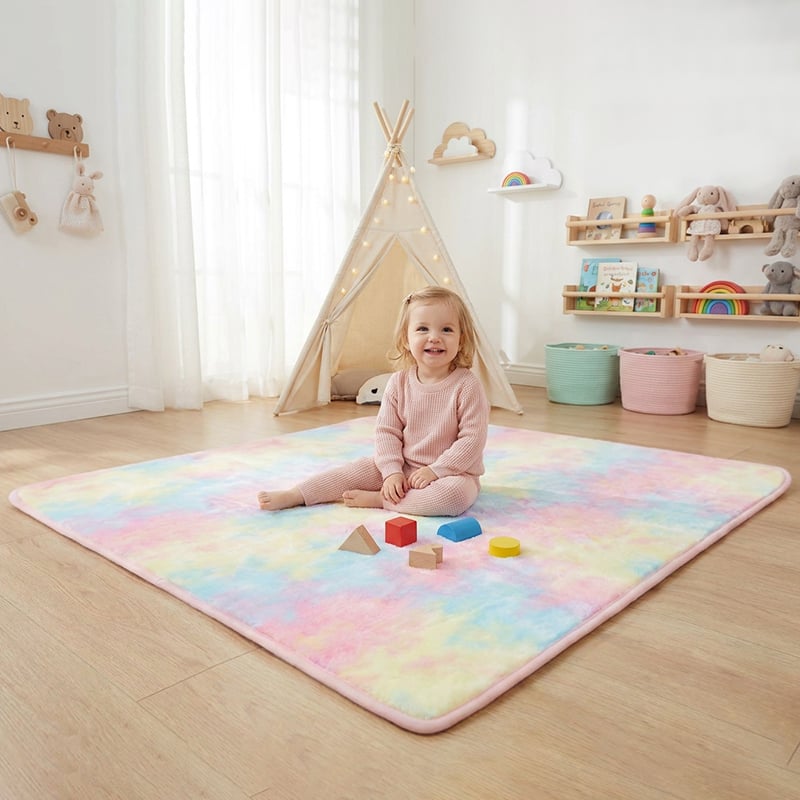
The customization process begins with understanding the core technical specifications that define a quality foam mat. Density, thickness, material composition, and surface texture all influence the final product's performance characteristics. Manufacturers can adjust these foundational elements to meet specific use cases, from lightweight portable mats to heavy-duty industrial applications. Customizing a memory foam mat involves strategic decisions about materials, visual design, functional features, and production volumes that directly impact cost, lead time, and product appeal.
The density of foam directly affects comfort, durability, and cost. Higher-density foam provides better support and lasts longer but increases material expenses. Manufacturers customizing a memory foam mat must balance performance expectations with price targets. Selecting appropriate foam grades allows businesses to offer premium products for upscale markets or budget-friendly options for price-sensitive segments. Different industries require different density profiles—healthcare facilities may prefer firmer support, while children's play areas benefit from softer, safer foam.
Premium customization often includes layering different foam types or adding specialized materials. Gel-infused foam provides enhanced cooling properties, while antimicrobial treatments protect against bacteria and odors. Manufacturers can add non-slip base layers, waterproof barriers, or eco-friendly plant-based foam components. These material enhancements transform a basic memory foam mat into a specialty product that commands premium pricing and appeals to specific customer segments.
Visual customization makes a memory foam mat instantly recognizable and marketable. Manufacturers employ various printing technologies including digital printing, screen printing, and dye injection methods to create vibrant, durable designs. Custom colors, logos, patterns, and branded graphics can be applied to top surfaces, edges, or throughout the foam itself. The printing method affects durability, color vibrancy, production cost, and minimum order quantities, requiring careful selection based on design complexity and performance requirements.
Beyond flat rectangular formats, manufacturers can customize a memory foam mat into unique shapes that enhance functionality and brand identity. Puzzle-piece interlocking designs, ergonomic contours, novelty animal shapes for children, or branded logo silhouettes create distinctive products. Custom sizing accommodates specific spaces and use cases—compact travel mats, oversized studio floors, or modular systems for flexible layouts. Shape customization increases manufacturing complexity and tooling costs but delivers significant market differentiation.
Modern manufacturers enhance customized foam mats with integrated features that boost utility and appeal. QR codes can link to instructional videos or branded content, while embedded sensors or RFID tags enable inventory tracking. Some designs incorporate temperature-responsive materials or pressure-sensing technology for specialized applications. These technological additions transform a simple memory foam mat into a smart product that justifies premium positioning and attracts tech-forward buyers.
Protective treatments significantly extend the lifespan of customized mats and reduce maintenance burden. Stain-resistant coatings, antimicrobial finishes, and UV-protective treatments preserve the appearance and hygiene of a memory foam mat. Manufacturers can offer various surface treatments at different price points, allowing customers to choose based on their environment and budget. These functional enhancements appeal to commercial buyers prioritizing durability and low total cost of ownership over time.
Customization typically requires minimum order quantities that reflect tooling costs and production efficiency. A memory foam mat with standard specifications may have low minimums, while highly customized designs require larger commitments. Lead times extend as complexity increases, ranging from weeks for simple color variations to months for completely custom shapes and materials. Manufacturers must communicate these constraints clearly to help clients plan product launches and inventory accordingly.
Customization costs include design consultation, material modifications, tooling, setup fees, and per-unit production charges. Understanding the cost breakdown helps manufacturers position a memory foam mat appropriately within their market segment. Volume discounts reward larger orders, while custom designs command premium pricing that reflects development and production complexity. Transparent pricing communication builds trust and helps clients make informed purchasing decisions aligned with their business objectives.
Custom colors, branded logos, non-slip coatings, and personalized sizing represent the most frequently requested modifications for a memory foam mat. Companies often prioritize visual branding through printed designs and unique colors that reflect corporate identity. Functional enhancements like antimicrobial treatments and waterproof layers also rank highly among commercial buyers seeking durable, low-maintenance solutions.
Production timelines vary based on customization complexity. Simple color changes or logo printing may require 2–3 weeks, while custom shapes and material compositions can extend to 6–8 weeks. Manufacturers establish lead times during the design phase, allowing clients to plan accordingly. Rush options exist but typically involve premium fees and may compromise design refinement.
Minimum order quantities depend on customization extent. Standard specifications might require 100–200 units, while fully custom shapes and materials demand 500–1,000+ units. Manufacturers often negotiate minimums based on client relationships and long-term partnership potential. Discussing volume commitments upfront helps align expectations and secure competitive pricing.

2026/11/02
Struggling to choose the right living room rugs? Avoid costly mistakes with expert insights on size, material, durability, style & care. Get your perfect rug.

2026/11/03
Worried about infant falls during crawling? Discover how cushioned baby play mats absorb impact, and support motor development. Get expert safety tips now.

2026/11/04
Struggling with messy spills and tummy time needs? Discover waterproof, sensory, and tummy-time-optimized play mat surface. Compare materials now.

2026/11/05
Can a kids play mat reduce noise? Discover how thickness, foam density & full coverage deliver real acoustic relief. Get the guide.

2026/11/06
Why do kids slip on tile, laminate & polished wood? Discover how premium non-slip play mats anchor securely AND absorb impact. Boost safety.

2026/11/09
Tired of scrubbing stains and battling odors? Discover the 5 key kids play mat features—waterproof surfaces, washable covers, non-slip grip. See what makes maintenance effortless.

