 EN

What Should Buyers Know Before Ordering Living Room Rugs?
2026/11/02
Struggling to choose the right living room rugs? Avoid costly mistakes with expert insights on size, material, durability, style & care. Get your perfect rug.
Active play is essential for children's development, but falls and impacts are inevitable when kids jump, run, and explore. A well-designed kids play mat serves as a critical safety barrier between your child and hard surfaces, significantly reducing injury risk during vigorous physical activity. Understanding how these mats protect children requires examining the materials, construction methods, and performance characteristics that make modern play surfaces so effective.
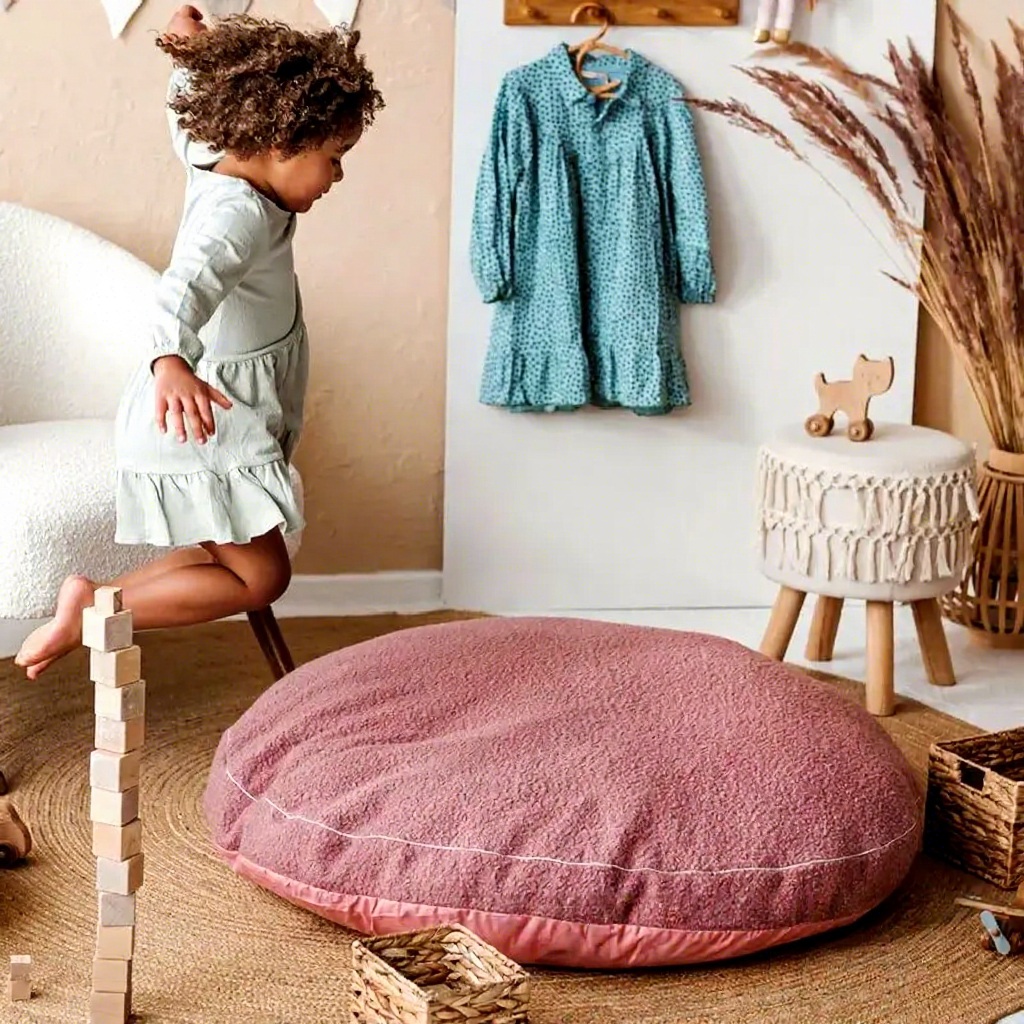
The cushioning technology in today's play mats has evolved far beyond basic foam. High-quality mats combine multiple material layers, precise thickness specifications, and engineered density to absorb impact energy while remaining stable and supportive. Parents selecting a durable play surface must consider how these protective features translate into real-world safety benefits, ease of maintenance, and long-term value for their family.
Modern kids play mats use advanced foam compounds engineered to absorb shock at multiple levels. Premium play mat thickness typically ranges from one to two inches, with each layer serving a distinct purpose in the protection system. The top layer provides immediate shock absorption when a child lands, dispersing the force across a wider surface area. Beneath this sits a denser foam core that prevents the mat from compressing completely, ensuring your child doesn't hit the underlying floor during a heavy fall.
The science of cushioning relies on the foam's cellular structure trapping and dissipating energy rather than simply compressing. A durable play surface with quality foam construction slows the rate at which impact force transfers to the child's body, reducing the severity of potential injuries. Play mat thickness acts as a critical variable in this equation; thicker mats generally offer superior protection, though the specific foam density matters equally. Manufacturers using closed-cell foam create moisture-resistant mats that maintain their protective properties even in damp environments, making them ideal for playrooms near kitchens or bathrooms.
Premium kids play mat designs prioritize non-toxic materials that meet consumer safety standards and protect children from harmful chemical exposure. The foam used in quality mats contains no phthalates, BPA, or volatile organic compounds that could off-gas into the play environment. These materials undergo rigorous testing to ensure they meet international safety certifications, giving parents confidence that cushioning protection doesn't come at the cost of chemical safety.
The base layer of a durable play surface often features slip-resistant material that prevents the mat from sliding across hardwood or tile floors during active play. This stability is crucial because a shifting mat creates additional hazards and undermines the cushioning benefits. Non-toxic rubber or textured foam bases provide grip without releasing harmful substances, maintaining the protective integrity of the entire system throughout years of use.
The relationship between play mat thickness and effective fall protection varies based on the child's age, weight, and activity intensity. Toddlers and preschoolers engaging in moderate tumbling benefit from mats with one to one-and-a-half inches of quality foam. Older children performing more vigorous activities like gymnastics practice or parkour training require play mat thickness closer to two inches to adequately cushion heavier impacts at higher velocities. Industrial testing shows that properly engineered mats at these thicknesses reduce impact forces to acceptable levels for the majority of common childhood falls.
The interaction between thickness and density creates the actual protective capability of a durable play surface. A two-inch mat made with low-density foam may offer less protection than a one-and-a-half-inch mat with superior density and construction. This complexity explains why premium brands invest in proprietary foam formulations and multi-layer construction rather than simply increasing thickness. Parents evaluating options should examine both dimensions, prioritizing certified products that have undergone impact testing at speeds simulating realistic fall scenarios.
Over time, foam materials can degrade through compression and sun exposure, gradually reducing the protective capacity of a durable play surface. High-quality mats resist compression better than budget alternatives, maintaining their original thickness and cushioning characteristics after months or years of use. Products designed with easy clean kids mat features often incorporate protective covers that shield the foam core from UV damage and staining, extending the effective lifespan of the protective system.
Regular cleaning and proper storage practices preserve the structural integrity of the foam. An easy clean kids mat with washable covers allows parents to maintain hygiene without exposing foam to harsh chemicals that could compromise cushioning. By protecting the mat itself, these maintenance features ensure that the kids play mat continues delivering consistent fall protection throughout its intended service life.
Beyond fall protection, quality kids play mats address the acoustic challenges of active play in residential or shared spaces. A noise reducing mat dampens the sound of children running, jumping, and falling, reducing noise complaints from neighbors and creating a more pleasant environment for the entire household. This function operates through the same foam technology that provides cushioning, as sound waves dissipate within the cellular structure rather than reflecting off hard surfaces.
The acoustic benefits of a durable play surface extend across different activity types. Children practicing gymnastics, martial arts, or dance movements generate substantial impact noise; a quality noise reducing mat reduces these sounds significantly. The psychological benefit matters too, as quieter play environments encourage longer play sessions without causing stress or fatigue from constant noise exposure.
An easy clean kids mat designed with durable play surface principles uses reinforced edges and quality stitching to prevent unraveling and separation over extended use. Quality mats often feature welded seams or reinforced binding that withstands the rough treatment children inevitably subject their play equipment to. The combination of protective covers, secure construction, and quality materials determines how many years a mat can effectively serve its dual purpose of impact protection and noise reduction.
Investment in a premium kids play mat pays dividends through years of reliable performance. A durable play surface maintains its shape, cushioning properties, and safety features across multiple children or extended use within a single family. Comparing lifecycle costs reveals that higher upfront investment in quality often proves more economical than replacing cheaper mats multiple times.
Toddlers require play mat thickness of at least one inch with quality foam construction to cushion typical falls. Higher-quality one-and-a-half-inch mats offer superior protection without being overly thick or difficult to manage. The specific foam density and composition matter as much as thickness, so selecting certified products with documented impact ratings ensures appropriate protection for your toddler's age and play style.
A noise reducing mat significantly decreases the sound of children's active play, reducing noise complaints and improving relationships with neighbors. The foam technology that provides fall cushioning also absorbs and dissipates sound energy, creating quieter play environments. This makes a durable play surface with noise-reducing properties particularly valuable in apartments or multi-family housing where noise transmission through floors affects adjacent units.
An easy clean kids mat featuring removable, washable covers eliminates the need for scrubbing foam directly, saving time and protecting the underlying protective material from damage. Removable covers allow parents to address spills, stains, and hygiene issues quickly without disrupting their child's playtime significantly. This practical design keeps the kids play mat fresh and sanitary while preserving the cushioning properties and durable play surface characteristics that provide safety benefits.

2026/11/02
Struggling to choose the right living room rugs? Avoid costly mistakes with expert insights on size, material, durability, style & care. Get your perfect rug.

2026/11/03
Worried about infant falls during crawling? Discover how cushioned baby play mats absorb impact, and support motor development. Get expert safety tips now.

2026/11/04
Struggling with messy spills and tummy time needs? Discover waterproof, sensory, and tummy-time-optimized play mat surface. Compare materials now.

2026/11/05
Can a kids play mat reduce noise? Discover how thickness, foam density & full coverage deliver real acoustic relief. Get the guide.

2026/11/06
Why do kids slip on tile, laminate & polished wood? Discover how premium non-slip play mats anchor securely AND absorb impact. Boost safety.

2026/11/09
Tired of scrubbing stains and battling odors? Discover the 5 key kids play mat features—waterproof surfaces, washable covers, non-slip grip. See what makes maintenance effortless.

