 EN

What Should Buyers Know Before Ordering Living Room Rugs?
2026/11/02
Struggling to choose the right living room rugs? Avoid costly mistakes with expert insights on size, material, durability, style & care. Get your perfect rug.
Protecting your floors from daily wear and tear is a practical concern for any homeowner or business manager. Area rugs offer one of the most effective and aesthetically pleasing solutions for safeguarding hard surfaces against damage, stains, and premature aging. By placing area rugs in high-traffic zones, you create a protective barrier that absorbs impact, reduces friction, and extends the lifespan of your underlying flooring investment significantly.
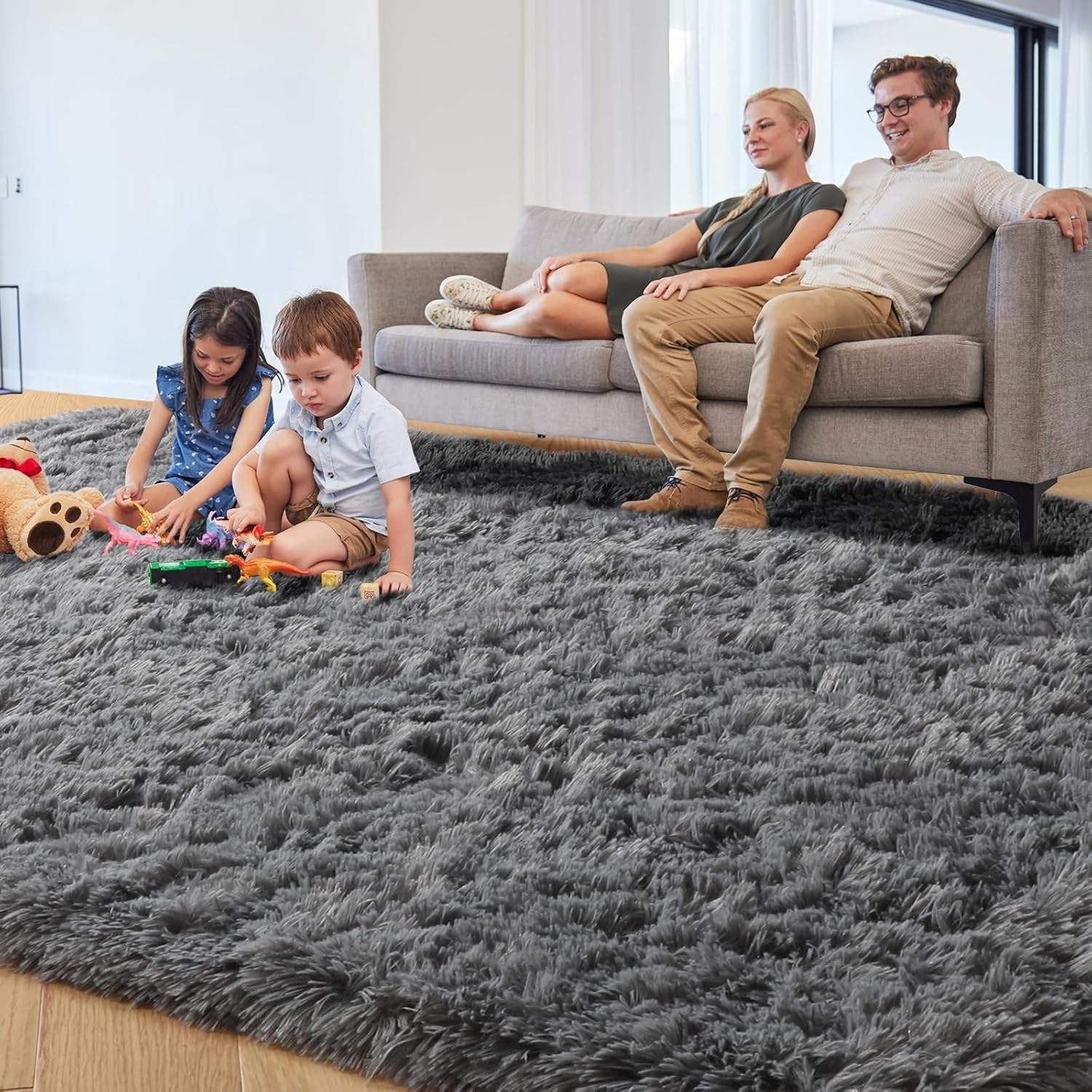
Beyond mere appearance, area rugs function as a working defense system for your floors. The right selection of high traffic rugs in key locations can dramatically reduce visible scratches, scuffs, and worn patches that accumulate on hardwood, tile, and laminate surfaces. Understanding how to choose the right area rugs for your specific needs ensures maximum protection while maintaining the visual appeal of your interior space.
Area rugs shield floors through multiple protective mechanisms working simultaneously. When foot traffic moves across a rug, the fibers absorb impact energy that would otherwise transfer directly to your flooring surface. This cushioning effect reduces stress on hard floors, preventing micro-damage that accumulates into visible wear patterns over time. High traffic rugs are specifically engineered to withstand repeated use while maintaining structural integrity and protective function.
The friction reduction provided by area rugs prevents furniture legs and rolling chairs from creating scratches and scuffs on wood and tile surfaces. Additionally, rugs catch dust, dirt particles, and moisture before they reach your floor, reducing abrasive contact that leads to premature deterioration. This dual action of cushioning and dirt containment creates comprehensive floor protection that single-solution approaches cannot achieve.
Hardwood floors benefit enormously from strategic area rug placement, as they are particularly vulnerable to scratching and water damage. The protective barrier that area rugs provide keeps daily moisture exposure minimal and reduces the direct impact of foot traffic on the wood grain. Tile and laminate flooring experience similar advantages, with reduced noise transmission and lower risk of chip damage in high-traffic zones where area rugs are positioned strategically.
Vinyl and concrete floors also gain significant protection from floor protection strategies using area rugs. These surfaces may appear durable, but they still accumulate visible wear patterns and can suffer from staining and discoloration. High traffic rugs create zones of active protection where these vulnerabilities are minimized, extending overall floor longevity considerably.
Rug pile height directly correlates with protective capacity and durability in high-traffic environments. Low-pile rugs, typically one-quarter inch or shorter, offer excellent protection for entryways and hallways where consistent foot traffic is heavy. They resist matting and provide stable support without excessive cushioning that might create tripping hazards. Medium-pile height ranges from one-half inch to three-quarters inch, offering superior cushioning while maintaining practicality for most residential and commercial spaces.
High-pile area rugs, exceeding one inch in depth, provide maximum comfort and sound absorption but require more maintenance in high-traffic zones. The choice between pile heights depends on your specific floor protection needs and intended use. Rug pile height selection should balance the protective benefits against practical wear resistance to ensure your rugs maintain effectiveness throughout their lifespan.
An effective area rug size guide helps you select dimensions that maximize floor protection while maintaining visual balance. For living rooms and bedrooms, rugs should extend at least two to three feet from furniture on all sides to create defined spaces and protective zones. Entry areas and hallways benefit from runners or smaller rugs positioned strategically where foot traffic is heaviest and floor damage risk is greatest.
Kitchen and dining areas require careful consideration when implementing an area rug size guide, as moisture and spills are common concerns. Smaller, washable high traffic rugs work best in these zones, positioned directly under dining tables and in high-traffic pathways. Following a structured area rug size guide ensures you place protection exactly where your floors need it most while avoiding oversized rugs that complicate cleaning and maintenance routines.
High traffic rugs should be positioned in areas where foot traffic naturally concentrates. Entryways, hallways, and the paths between frequently used rooms are prime candidates for floor protection through strategic rug placement. Bedside areas, desk zones, and kitchen work areas also benefit significantly from protective rugs that absorb daily wear and reduce direct floor exposure in these functional spaces.
Furniture arrangement affects where your high traffic rugs should be positioned for optimal protection. Underneath tables and chairs where legs contact the floor, protective rugs prevent scratching and scuffing. Beneath standing workstations and in home office areas where rolling chairs operate regularly, area rugs create protective zones that preserve underlying flooring integrity while maintaining accessibility and aesthetic appeal.
Regular vacuuming of your area rugs maintains their protective function by removing dirt and debris that could transfer to your floors. Rotating high traffic rugs periodically distributes wear evenly and extends their protective lifespan considerably. Professional cleaning annually keeps fibers resilient and maintains the cushioning that provides essential floor protection.
Addressing spills promptly and using rug pads to prevent shifting ensures your floor protection system functions optimally. Non-slip underlays not only secure rugs in place but also prevent moisture from seeping underneath where it could damage flooring. These maintenance practices ensure your area rugs continue delivering floor protection benefits year after year while remaining attractive and functional.
Yes, area rugs provide measurable floor protection by absorbing impact, reducing friction, and creating barriers against moisture and dirt. Studies and practical experience confirm that properly positioned high traffic rugs significantly slow the visible wear patterns on hardwood, tile, and laminate surfaces compared to unprotected floors in identical environments.
Medium-pile rugs ranging from one-half to three-quarters inch provide optimal floor protection while maintaining durability in high-traffic areas. This rug pile height balances cushioning benefits against resistance to matting and wear, making it ideal for hallways, entryways, and living spaces where consistent foot traffic occurs daily.
An area rug size guide recommends extending rugs at least two to three feet from furniture boundaries and covering primary foot-traffic pathways. For hallways, runners work best, while living areas benefit from larger rugs that anchor furniture arrangements while protecting underlying floors effectively.

2026/11/02
Struggling to choose the right living room rugs? Avoid costly mistakes with expert insights on size, material, durability, style & care. Get your perfect rug.

2026/11/03
Worried about infant falls during crawling? Discover how cushioned baby play mats absorb impact, and support motor development. Get expert safety tips now.

2026/11/04
Struggling with messy spills and tummy time needs? Discover waterproof, sensory, and tummy-time-optimized play mat surface. Compare materials now.

2026/11/05
Can a kids play mat reduce noise? Discover how thickness, foam density & full coverage deliver real acoustic relief. Get the guide.

2026/11/06
Why do kids slip on tile, laminate & polished wood? Discover how premium non-slip play mats anchor securely AND absorb impact. Boost safety.

2026/11/09
Tired of scrubbing stains and battling odors? Discover the 5 key kids play mat features—waterproof surfaces, washable covers, non-slip grip. See what makes maintenance effortless.

