 EN

What Should Buyers Know Before Ordering Living Room Rugs?
2026/11/02
Struggling to choose the right living room rugs? Avoid costly mistakes with expert insights on size, material, durability, style & care. Get your perfect rug.
Floor exercises demand equipment that protects your joints while maintaining stability and comfort. A memory foam mat is specifically engineered to absorb the shock and impact generated during high-intensity movements like burpees, planks, push-ups, and jumping drills. Unlike hard flooring or thin fitness mats, this type of cushioning material compresses upon impact and gradually returns to its original shape, distributing force evenly across your body. This shock absorption feature significantly reduces strain on your knees, hips, ankles, and lower back, making it an essential investment for anyone performing repetitive floor-based movements.
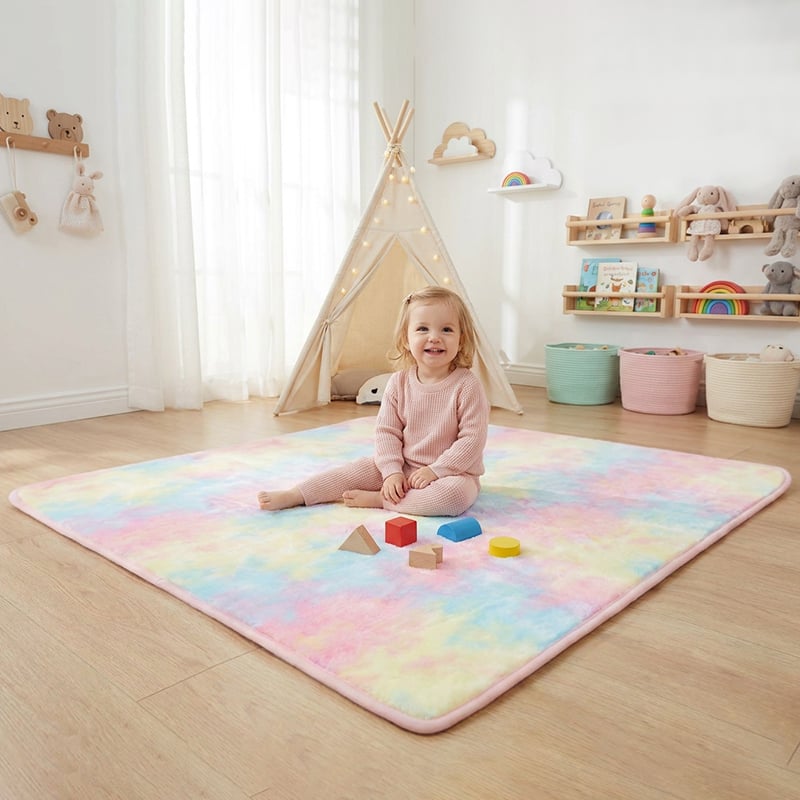
The science behind impact reduction involves understanding how different material densities respond to force. Memory foam floor mats are constructed with layers that respond dynamically to pressure, temporarily softening when weight is applied and then re-expanding when pressure is removed. This viscoelastic property allows the mat to conform to your body's contours, providing personalized cushioning that hard surfaces cannot match. Beyond comfort, this impact-reduction capability translates directly into joint preservation, reduced fatigue during longer workouts, and decreased injury risk from repetitive impact stress.
The memory foam floor mat's effectiveness in reducing impact stems from its unique material composition and internal structure. When your body strikes the mat during exercises, the viscoelastic foam responds by compressing in response to the force. Unlike rigid flooring, which transfers impact energy directly into your joints, the memory foam floor mat dissipates this energy gradually across its thickness. The foam cells absorb and slow down the force transmission, creating a buffer between your body and the hard ground beneath. This shock-absorbing mat technology is particularly beneficial for exercises where you repeatedly land or apply pressure, such as jump squats, mountain climbers, or dynamic stretching routines.
Consistent floor exercise without proper cushioning can lead to cumulative joint stress, tendonitis, and chronic pain conditions. A shock absorbing mat reduces the impact force transmitted to your knees, hips, and spine by up to thirty percent compared to direct floor contact, according to biomechanical studies on athletic footwear and mat technology. This reduction is clinically significant because repeated impacts below the injury threshold allow your joints to recover between workouts without developing inflammation or micro-tears. The non-slip memory foam mat adds another layer of safety by preventing unwanted movement during exercises, ensuring stable positioning while the foam cushioning handles the impact absorption responsibility.
Floor-based cardio and bodyweight exercises place continuous impact stress on your lower body. High-intensity interval training involving burpees, box jumps, or fast-paced jumping jacks becomes more sustainable when performed on a memory foam floor mat. The material reduces the repetitive microtrauma that compounds over dozens of repetitions, allowing you to maintain form and intensity longer without joint fatigue. Additionally, the anti-fatigue floor mat properties reduce overall muscular fatigue in stabilizer muscles that normally work overtime to compensate for unstable or painful surfaces, freeing up energy for the primary movement muscles and extending your workout capacity.
Longer-duration positions like planks, yoga poses, and deep stretches benefit significantly from a memory foam floor mat's cushioning properties. When holding planks or other static positions, your wrists, forearms, knees, and hips bear concentrated pressure. A shock absorbing mat distributes this sustained load more evenly, reducing localized pain and allowing you to hold positions longer without discomfort. The non-slip memory foam mat surface ensures your hands and feet stay anchored during transitions, preventing compensatory movements that occur when equipment shifts during critical moments. This combination of comfort and stability transforms floor exercises from an endurance challenge into a focused, safe workout experience.
A high-quality memory foam mat maintains its impact-reduction properties through consistent use over months and years. The viscoelastic foam structure resists permanent compression and returns to its original thickness after each workout session. Over time, materials degrade due to repeated stress cycles and environmental exposure. Premium memory foam floor mat products utilize denser foam formulations and protective surface layers that resist sweat absorption, UV damage, and physical breakdown. Investing in a durable shock absorbing mat ensures consistent joint protection throughout its lifespan, whereas lower-grade mats compress permanently after several months, losing their protective benefits and requiring premature replacement.
The financial investment in a quality memory foam floor mat should be evaluated against the long-term cost of joint injuries and medical treatment. A single serious knee injury from repetitive floor exercise impact could cost thousands in therapy, imaging, and lost workout time. A shock absorbing mat prevents such scenarios by distributing force more responsibly during every single workout. When you consider that the mat pays for itself through injury prevention within months of regular use, the return on investment becomes clear. Furthermore, the anti-fatigue floor mat benefits extend beyond exercise, making it valuable for any activity requiring standing or floor-based work, from cooking to crafting to meditation practice.
Yes, a memory foam floor mat works effectively on most floor surfaces, including hardwood, tile, laminate, and concrete. The mat itself provides impact reduction regardless of the underlying floor. However, the mat will perform best on relatively flat, even surfaces. Uneven floors may cause the mat to feel unstable in certain spots. If your floor is damaged or severely uneven, repair it first for optimal safety. The non-slip memory foam mat design prevents sliding on slick surfaces, but always verify that your floor is clean and dry before placing the mat for maximum stability during your exercises.
Most standard memory foam floor mats are designed for indoor use, though some models include protective outdoor coatings. Prolonged exposure to direct sunlight, moisture, and temperature fluctuations can degrade the foam and reduce its shock-absorbing properties. If you plan outdoor exercise, look specifically for an anti-fatigue floor mat or shock absorbing mat labeled as outdoor-compatible, typically with UV-resistant materials and drainage features. Store your memory foam mat indoors when not in use to extend its lifespan and maintain consistent performance. Check the manufacturer's specifications before exposing your mat to outdoor conditions.
Most fitness-grade memory foam mats range from half-inch to one inch in thickness, with optimal impact reduction occurring between three-quarter and one inch thickness. Thinner mats provide some cushioning but may feel too firm for extended floor work. Very thick mats, exceeding one and a half inches, can feel unstable and may interfere with balance-dependent exercises. For general floor exercises, a three-quarter inch non-slip memory foam mat represents the sweet spot between cushioning comfort and stability. Consider your specific exercises, body weight, and preference for firmness when selecting mat thickness. Test different thicknesses if possible to find what feels best for your particular needs and movement style.

2026/11/02
Struggling to choose the right living room rugs? Avoid costly mistakes with expert insights on size, material, durability, style & care. Get your perfect rug.

2026/11/03
Worried about infant falls during crawling? Discover how cushioned baby play mats absorb impact, and support motor development. Get expert safety tips now.

2026/11/04
Struggling with messy spills and tummy time needs? Discover waterproof, sensory, and tummy-time-optimized play mat surface. Compare materials now.

2026/11/05
Can a kids play mat reduce noise? Discover how thickness, foam density & full coverage deliver real acoustic relief. Get the guide.

2026/11/06
Why do kids slip on tile, laminate & polished wood? Discover how premium non-slip play mats anchor securely AND absorb impact. Boost safety.

2026/11/09
Tired of scrubbing stains and battling odors? Discover the 5 key kids play mat features—waterproof surfaces, washable covers, non-slip grip. See what makes maintenance effortless.

