 EN

What Should Buyers Know Before Ordering Living Room Rugs?
2026/11/02
Struggling to choose the right living room rugs? Avoid costly mistakes with expert insights on size, material, durability, style & care. Get your perfect rug.
Selecting your first acupressure mat can feel overwhelming when you are just starting your relaxation journey. Many beginners wonder what makes one acupressure mat more comfortable than another, especially when faced with countless options and varying price points. Understanding the core factors that determine comfort will help you make an informed decision that matches your body's needs and lifestyle. An acupressure mat is a therapeutic tool designed to stimulate pressure points on your body, promoting natural relaxation and tension relief. The key to a successful beginner experience lies in choosing a mat that balances comfort, durability, and practical usability.
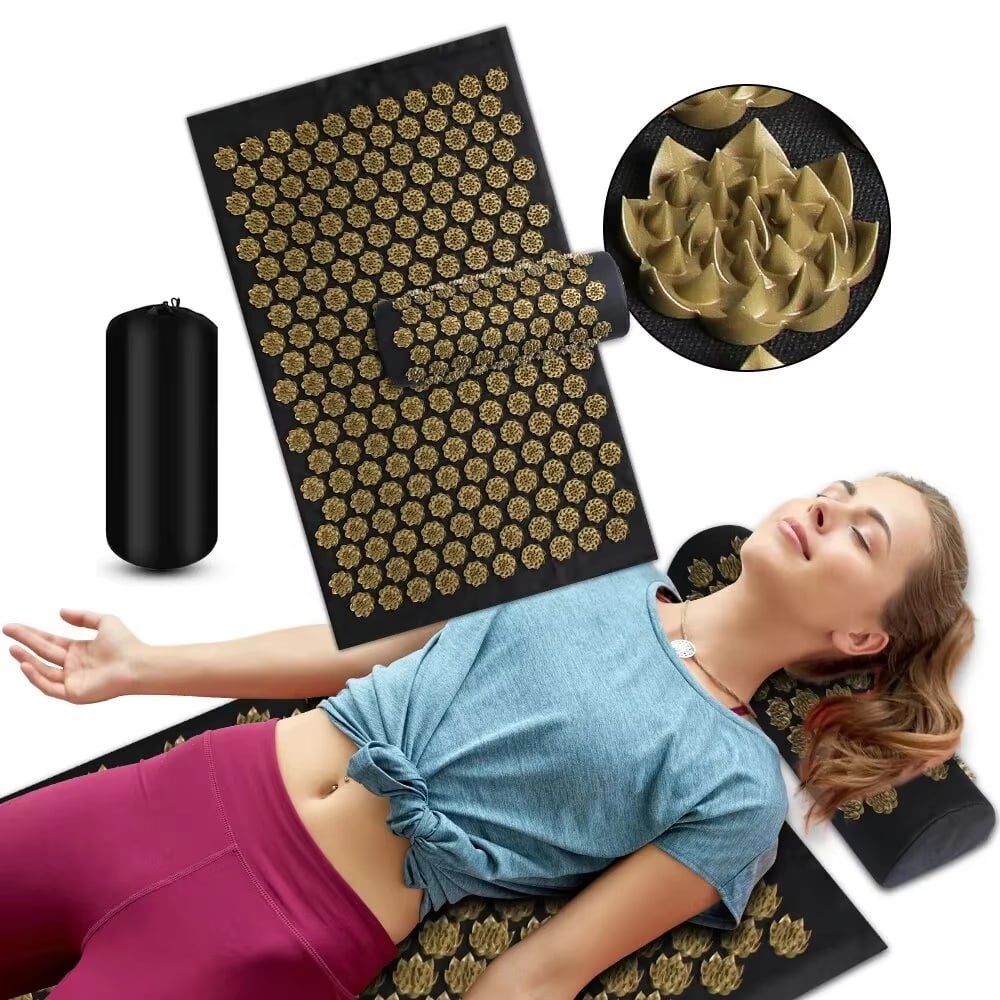
Before making your purchase, it is essential to understand how acupressure mat comfort works and what criteria truly matter. The right acupressure mat use experience depends on spike density, padding thickness, material quality, and portability. As a beginner, you should prioritize mats that offer gradual acclimation rather than maximum intensity, allowing your body to adapt over time. This guide walks you through the decision-making process, ensuring you invest in a mat that delivers both immediate comfort and long-term satisfaction.
Spike density is one of the most critical factors influencing how comfortable an acupressure mat feels during use. A beginner acupressure mat should feature moderate spike density, typically between 5,000 and 8,000 acupressure points per mat, rather than extremely high densities that can feel intense. Lower spike density creates larger gaps between points, distributing pressure more gently across your body. For beginners, this gentler approach allows your skin and muscles to adjust gradually, making relaxation techniques more enjoyable and sustainable. Mats with overly aggressive spike patterns may cause discomfort and discourage consistent use, whereas moderate density supports a pleasant acupressure mat experience from day one.
The base padding beneath the spikes directly impacts acupressure mat comfort levels. Quality beginner acupressure mat models feature between 0.5 and 1 inch of cushioning, providing enough support without compromising the therapeutic effect of the spikes. Memory foam or high-density foam bases offer superior comfort compared to thin, compressed padding. The covering material should be soft, hypoallergenic, and durable enough to withstand regular use. Natural materials like cotton or eco-friendly fabrics tend to be more breathable and comfortable against skin than synthetic options. Investing in a mat with quality base materials ensures your acupressure mat use remains comfortable and safe throughout its lifespan.
Choosing the right size mat directly affects how consistently you will use it and whether acupressure mat comfort goals are achievable. Standard beginner acupressure mat options come in three common sizes: smaller travel mats (24 by 16 inches), medium mats (27 by 15 inches), and full-body mats (71 by 27 inches). Travel-sized mats are ideal if you plan to use relaxation techniques at the office or during commutes, while full-body mats provide coverage for back, legs, and neck simultaneously. Portability matters significantly for beginners who may move their mat between rooms or take it outdoors. A lightweight mat with a carrying bag encourages regular use and helps you maintain consistent acupressure mat use habits throughout your wellness routine.
Beginners often overlook practical factors like weight and cleaning ease, yet these directly influence long-term comfort and satisfaction. A quality acupressure mat should weigh between 1.5 and 3 pounds, making it easy to store, transport, and set up without straining your back. Most beginner acupressure mat models feature removable, machine-washable covers, which simplifies maintenance and extends the mat's lifespan. Non-removable covers may trap dust, sweat, and bacteria, compromising both hygiene and comfort over time. Checking manufacturer care instructions ensures you can maintain your mat properly and keep it fresh for daily relaxation techniques. Simple maintenance requirements mean you will be more likely to use your mat consistently and enjoy sustained benefits.
Budget consciousness is natural when selecting your first acupressure mat, and fortunately, excellent beginner options exist at multiple price points. Entry-level mats typically range from $25 to $60, offering solid acupressure mat comfort for beginners without overwhelming initial investment. Mid-range models, priced between $60 and $120, usually feature superior padding, better materials, and improved durability. Premium options exceed $120 but may not provide proportionally better beginner acupressure mat experiences unless you have specific therapeutic needs. Many beginners find that moderately priced mats deliver the best balance of quality, comfort, and value. Do not assume the most expensive mat is best; instead, evaluate comfort factors, customer reviews, and warranty coverage to determine true value for your acupressure mat use goals.
A reliable beginner acupressure mat seller should offer a reasonable trial or return period, allowing you to test comfort before committing fully. Thirty-day trial periods give you sufficient time to assess whether relaxation techniques with your mat provide the desired benefits. Sellers offering return policies demonstrate confidence in their product quality and acknowledge that individual comfort preferences vary. Reading reviews from other beginners provides valuable insight into real-world acupressure mat comfort experiences and common adjustment periods. When evaluating options, prioritize sellers who stand behind their products with clear return policies and positive beginner feedback. This approach reduces purchase risk and increases the likelihood you will feel satisfied with your acupressure mat investment.
Most beginners experience initial sensations for 3 to 5 days before their bodies adapt to acupressure mat use. Starting with 5 to 10 minute sessions helps your skin and muscles gradually acclimate to the pressure. After one to two weeks of consistent use, acupressure mat comfort typically improves significantly, and you can extend sessions to 15 to 20 minutes. Individual adjustment timelines vary based on skin sensitivity and previous relaxation techniques experience, but patience is key to achieving maximum benefits.
While beginners can use full-size mats, starting with smaller beginner acupressure mat models or shorter sessions is recommended. Full-body mats deliver intense stimulation across larger areas, which may feel overwhelming during your first acupressure mat use experience. Begin with targeted sessions on your back or legs, then gradually expand coverage as your body adapts. This measured approach ensures acupressure mat comfort improves steadily and prevents discouragement from excessive initial intensity.
Combining your acupressure mat use with deep breathing exercises, meditation, or gentle stretching maximizes the relaxation techniques benefits. Lying on the mat for 10 to 20 minutes while practicing slow, intentional breathing enhances blood flow and promotes deeper relaxation. Pairing your acupressure mat comfort experience with quiet music or a calm environment amplifies stress relief and overall wellness impact. Consistency matters more than intensity; daily short sessions often prove more beneficial than occasional long sessions for beginners.

2026/11/02
Struggling to choose the right living room rugs? Avoid costly mistakes with expert insights on size, material, durability, style & care. Get your perfect rug.

2026/11/03
Worried about infant falls during crawling? Discover how cushioned baby play mats absorb impact, and support motor development. Get expert safety tips now.

2026/11/04
Struggling with messy spills and tummy time needs? Discover waterproof, sensory, and tummy-time-optimized play mat surface. Compare materials now.

2026/11/05
Can a kids play mat reduce noise? Discover how thickness, foam density & full coverage deliver real acoustic relief. Get the guide.

2026/11/06
Why do kids slip on tile, laminate & polished wood? Discover how premium non-slip play mats anchor securely AND absorb impact. Boost safety.

2026/11/09
Tired of scrubbing stains and battling odors? Discover the 5 key kids play mat features—waterproof surfaces, washable covers, non-slip grip. See what makes maintenance effortless.

